Recent Arrest in Nairobi
On March 10, 2026, a significant incident unfolded at Nairobi’s main airport when a Chinese national, identified as Zhang Kequn, was apprehended for attempting to smuggle a staggering 2,238 live garden ants. This arrest has raised alarms regarding the growing trend of insect smuggling from Kenya, a practice that has garnered attention in recent years.
Details of the Smuggling Attempt
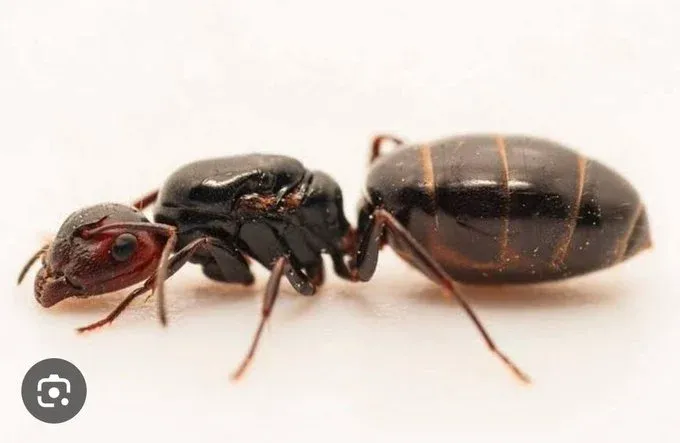
Zhang was found with the queen ants concealed in his luggage, with 1,948 of the ants meticulously packed in specialized test tubes and an additional 300 hidden within tissue paper. This method of concealment underscores the lengths to which traffickers will go to evade detection. Notably, Zhang had previously evaded arrest in Kenya last year, indicating his involvement in a broader ant-trafficking network.
The Species in Question
The ants involved in this smuggling attempt are believed to belong to the species Messor cephalotes, commonly known as the giant African harvester ant. This species is not only popular among insect enthusiasts in Europe and Asia, who are willing to pay hefty sums to keep them as pets, but they are also protected by international biodiversity treaties, making their trade highly regulated.
Impact on Local Ecosystems
The implications of removing large numbers of queen ants from their natural habitat are concerning. Each queen has the potential to establish a new colony, which can contain thousands of worker ants. As such, the removal of these queens could disrupt local populations and ecosystems, leading to unforeseen consequences for biodiversity in the region.
Broader Context of Trafficking
This incident is part of a larger pattern of wildlife trafficking that has been increasingly prevalent in recent years. In 2025, fines totaling $7,700 were imposed on four men involved in trafficking ants, highlighting the legal repercussions of such activities. Zhang Kequn is suspected to be the mastermind behind this trafficking ring, further complicating the issue.
Current Status of the Case
As of now, Zhang has been in Kenya for two weeks prior to his arrest, and authorities are continuing to investigate the extent of his operations. The Kenya Wildlife Service is actively involved in addressing this issue, working to combat the smuggling of protected species and enforce regulations aimed at preserving biodiversity.
The recent arrest of Zhang Kequn for smuggling queen ants in Kenya serves as a stark reminder of the ongoing challenges posed by wildlife trafficking. As the demand for exotic pets continues to rise, the need for stringent enforcement of biodiversity protections becomes increasingly critical. Details remain unconfirmed regarding the full scale of Zhang’s trafficking network and its implications for local ecosystems.
