New Insights into the Silverpit Crater
“New seismic imaging has given us an unprecedented look at the crater,” stated Dr. Uisdean Nicholson from Heriot-Watt University, highlighting the latest advancements in geological research.
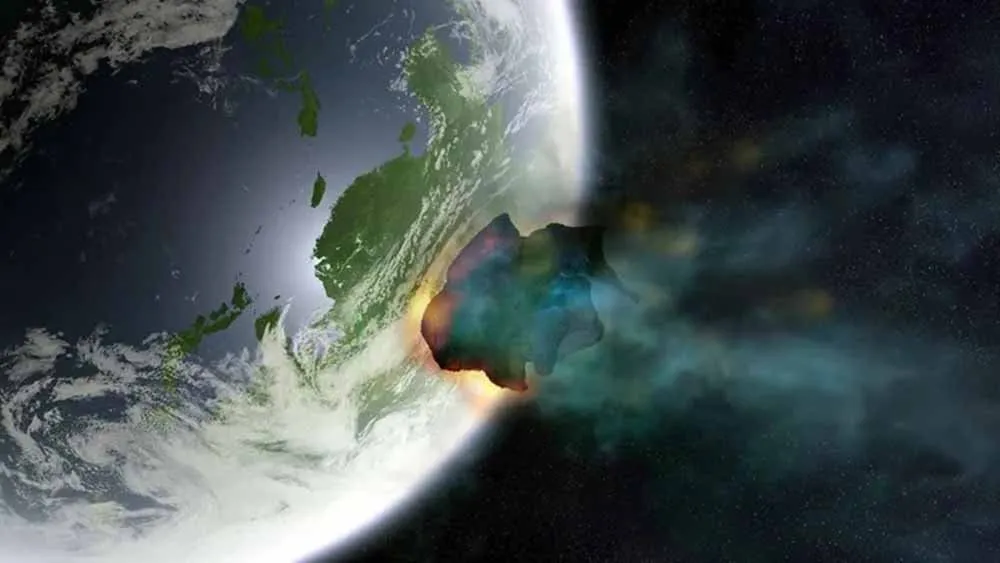
Approximately 43 to 46 million years ago, a 160-metre-wide asteroid struck the southern North Sea, creating the Silverpit structure, which is now buried 700 metres beneath the seabed. This impact generated a tsunami that exceeded 100 metres (330 feet) in height, reshaping the region’s geological landscape.
The Silverpit structure, first detected in 2002, was initially met with skepticism. A vote by geologists in 2009 rejected the asteroid impact explanation for the formation. However, recent seismic imaging and analysis of shocked minerals have confirmed the impact hypothesis.
“These prove the impact crater hypothesis beyond doubt, because they have a fabric that can only be created by extreme shock pressures,” Dr. Nicholson added, emphasizing the significance of the new findings.
The crater itself is approximately three kilometres wide, with concentric faults that span about 20 kilometres. This geological feature has intrigued scientists for decades, as it was initially identified as an enigmatic bullseye formation.
Prof Gareth Collins remarked on the importance of this discovery, calling it “the silver bullet that ends decades of controversy.” The confirmation of the asteroid impact provides clarity on the geological history of the North Sea region.
Despite the advancements in understanding the Silverpit crater, details remain unconfirmed regarding the exact timing of the impact, with estimates varying between 43 to 46 million years ago and approximately 40 million years ago.
As research continues, further studies are expected to shed light on the implications of this impact event on the Earth’s geological history and its potential effects on the environment at the time.
