Reaction from the field
The escape of Polish Jews during the Holocaust had profound consequences, as highlighted in Mikhal Dekel’s book, “Tehran Children.” This narrative not only recounts the personal journey of Dekel’s father, Hannan Teitel, but also represents the experiences of approximately 250,000 Polish Jews who survived through similar means. The stakes were high, as many families faced the imminent threat of death if they remained in Poland.
Hannan Teitel was born into a well-to-do family in Ostrów Mazowiecka, Poland. However, in 1939, as the shadow of the Holocaust loomed, his family fled towards the Soviet border. Their escape was fraught with peril; they were arrested by the NKVD and subsequently sent to Arkhangelsk, where they endured 14 months of labor under harsh conditions. This journey highlights the desperate measures taken by Polish Jews to survive amidst the chaos of World War II.
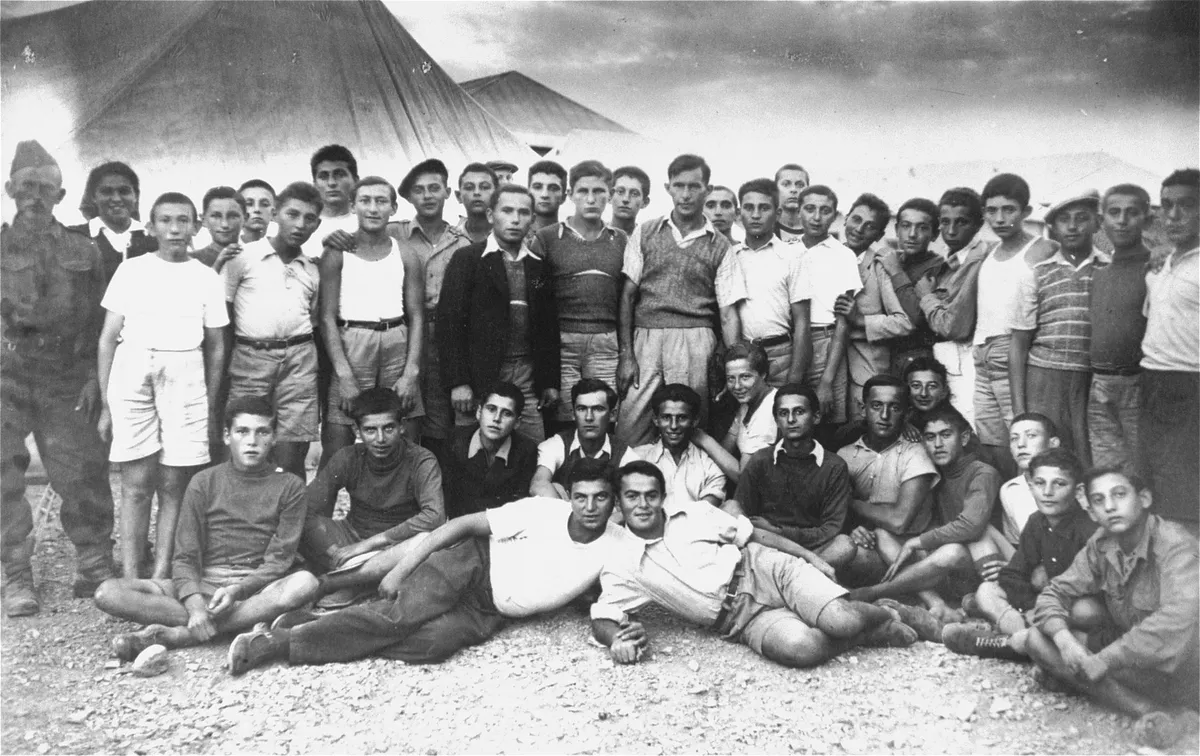
The formation of the Anders Army marked a pivotal moment in this narrative. Established with the intention of fighting alongside the Allies against Nazi Germany, the Anders Army played a crucial role in the evacuation of Polish Jews. As a humanitarian gesture, around a thousand Polish Jewish children were included in this evacuation to Iran, where they found temporary refuge.
Tehran, at the time, was a neutral country with strong ties to Germany. However, following the invasion, it transformed into a hub for Allied activity. The evacuated Polish Jewish children were gathered at the “Hebrew Children’s Home of Tehran,” where they faced the challenges of adapting to a new life while grappling with the memories of their harrowing escape.
Mikhal Dekel undertook a decade-long journey to retrace her father’s steps, uncovering the complexities and hardships faced by Polish Jews during their escape. The lack of food and shelter was a constant struggle, and tensions between Polish Jews and Christian Poles often escalated during their time in Central Asia and Iran. Dekel’s father provided a unique testimony in Yiddish, a language less commonly used for such accounts, emphasizing the distinctive nature of their experience.
As Dekel reflects on her father’s story, she notes, “This book is about my father and me, but it is also about a quarter of a million Polish Jews who survived in a similar way; my father’s story is therefore both unique and universal.” This sentiment underscores the broader implications of individual narratives within the larger context of the Holocaust.
Despite the passage of time, the journey of Polish Jews remains a poignant reminder of the resilience and strength displayed in the face of adversity. As more stories emerge, the complexities of their experiences continue to unfold, leaving room for further exploration and understanding of this dark chapter in history. Details remain unconfirmed as new research and testimonies come to light, shedding additional insight into the lives of those who endured such hardships.
