What observers say
“They want to colonise us again,” stated Brazilian President Lula, reflecting the complex historical and economic tensions surrounding Brazil’s role in global trade. This remark underscores the ongoing concerns about foreign influence in Brazil’s agricultural sector, particularly as the country stands as the world’s largest beef producer.
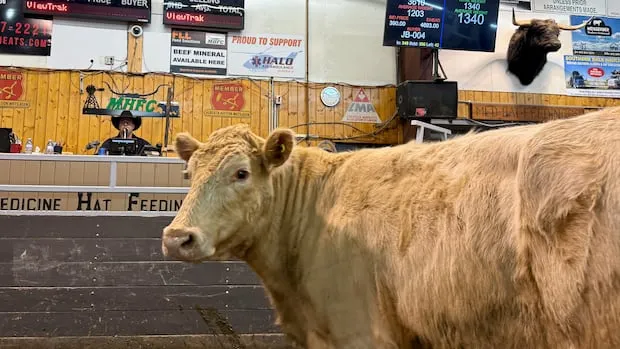
The Canadian Cattle Association has voiced apprehensions regarding a potential trade deal with Brazil, especially in light of rising beef prices in Canada. In 2025, Canadian beef prices surged by 16 percent, prompting industry leaders to scrutinize the implications of increased imports from Brazil. Currently, Brazil accounts for only about 1 percent of the beef consumed in Canada, but the federal government aims to expand international trade agreements, which could change this dynamic.
Historically, the U.S. has been wary of Canada’s trade practices, with former President Donald Trump accusing Canada of opening a “back door” for third-party imports to the U.S. market. This accusation highlights the intricate web of trade relationships and the potential for conflict as countries navigate their agricultural policies. In 2025, imports from all countries constituted about one-fifth of the beef sold to Canadian consumers, raising questions about the sustainability of local cattle production.
Tyler Fulton, a representative of the Canadian Cattle Association, remarked, “Not all jurisdictions represent the same opportunity and present different risks that I think really need scrutiny.” This sentiment reflects the cautious approach that industry stakeholders are taking as they consider the implications of increased Brazilian beef imports.
On the other hand, Brazil’s agricultural sector is not solely focused on beef. Equinor, a major player in the energy sector, recently acquired the Esquina do Vento onshore wind complex in Brazil. This investment is expected to add around 230 MW of installed capacity in Rio Grande do Norte, supporting Equinor’s strategy to build market-driven, multi-technology portfolios. Helge Haugane from Equinor stated, “Brazil is a key market for Equinor’s long-term growth,” emphasizing the country’s significance beyond just agriculture.
The Esquina do Vento complex is projected to generate 1 TWh of potential annual energy, showcasing Brazil’s diverse economic landscape. This diversification may help buffer the country against fluctuations in the beef market, which has seen tight supply conditions in Canada for the past 40 years.
As the European Union and Mercosur formalized an agreement in January, the implications for trade dynamics in the Americas are becoming increasingly complex. The Canadian beef industry, with 11.1 million cattle as of last month, is at a critical juncture, needing to adapt to these evolving trade relationships.
While the future remains uncertain, the interplay between Brazil’s agricultural exports and Canada’s domestic market will be closely monitored by stakeholders on both sides. Details remain unconfirmed regarding the full impact of these developments, but the stakes are high for the Canadian cattle industry as it navigates this challenging landscape.
