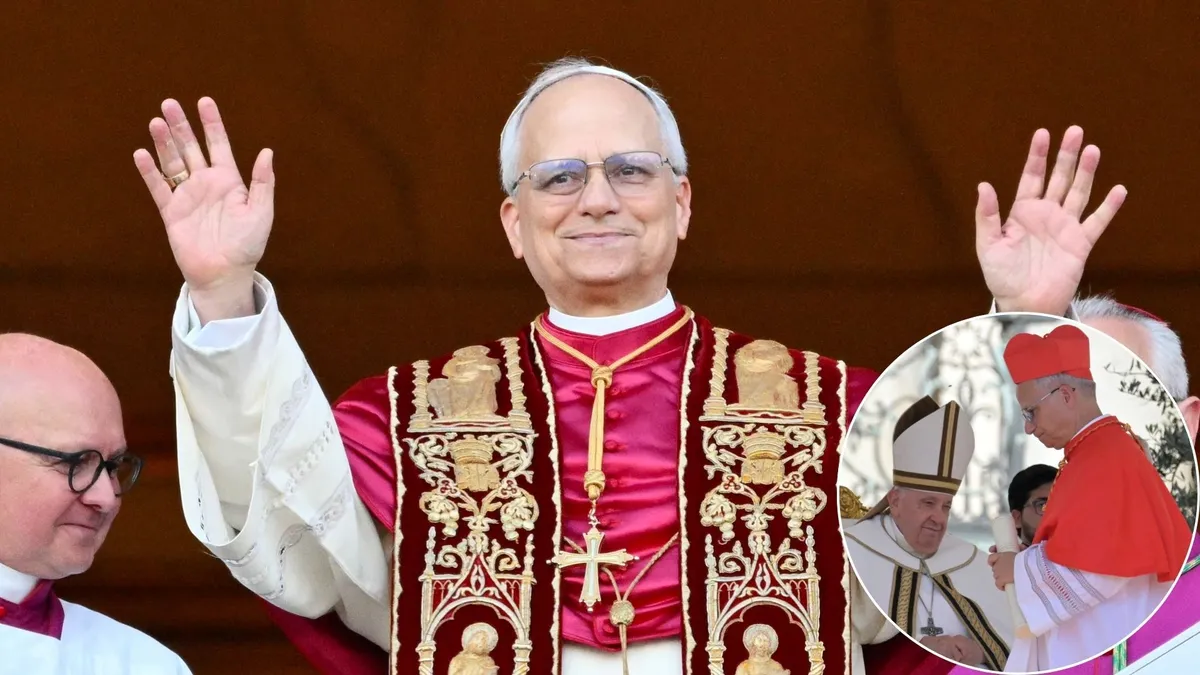
Pope Leo XIV has made headlines with his recent remarks responding to criticisms from former President Donald Trump regarding the ongoing conflict involving the US and Israel in Iran. In a bold statement delivered during a prayer vigil for peace at St. Peter’s Basilica, the pontiff emphasized the importance of promoting peace and reconciliation, stating, “Happy are those who bring peace.” This comes as tensions rise over military actions and political rhetoric surrounding the conflict.
In a direct rebuttal to Trump’s comments, Pope Leo XIV asserted, “I have no fear of the Trump administration nor of proclaiming loudly the message of the Gospel.” This declaration marks a significant moment, as Pope Leo XIV is the first pope in history born in the United States, adding a unique perspective to the ongoing dialogue between the Vatican and American politics.
Trump, who has publicly criticized Pope Leo XIV, referred to him as a “very liberal person” and stated, “I am not a fan of Pope Leo.” These remarks highlight the growing divide between the former president and the pontiff, particularly regarding their differing views on international relations and moral leadership. The pope’s stance against the military actions of the US and Israel in Iran has been consistent since his election in May 2025, where he has taken a clear position advocating for dialogue and mediation instead of rearmament and violence.
Pope Leo XIV’s message during the prayer vigil was clear: he criticized the “illusion of omnipotence” that often fuels wars, urging leaders to serve the people and promote the common good. He called for a society that encourages popular participation and civil society, emphasizing that true leadership should prioritize peace over power. His remarks resonate with a growing global sentiment that seeks to address the root causes of conflict rather than merely responding with military force.
As the situation in Iran continues to evolve, observers are keenly watching how these statements will influence the relationship between the Vatican and the Trump administration, particularly as Trump remains a prominent figure in American politics. The pope’s call for peace and reconciliation stands in stark contrast to the aggressive posturing often associated with political discourse in the United States.
While Pope Leo XIV’s position has garnered support from various peace advocates, it has also drawn criticism from those who align more closely with Trump’s views on national security and foreign policy. The ongoing debate reflects broader ideological divides within both the Catholic Church and American society, as differing interpretations of faith and morality come to the forefront of political discussions.
Details remain unconfirmed regarding the potential impact of these exchanges on future diplomatic efforts between the Vatican and the US government. However, the pope’s unwavering commitment to peace and his willingness to confront criticism head-on suggest that he will continue to play an active role in advocating for a more compassionate and just world order.
