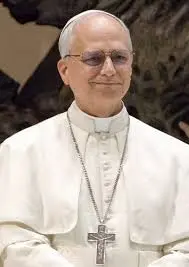
The Importance of Pope Leo in Church History
Pope Leo, particularly Pope Leo I and Pope Leo XIII, are notable figures in the Catholic Church, each having made significant contributions during their respective papacies. Their teachings and actions have left a lasting impact on the Church and its followers, shaping its doctrines and social teachings.
Pope Leo I: Champion of Doctrine
Pope Leo I, also known as Leo the Great, served as pope from AD 440 to 461. He is famous for defining the nature of Christ during the Council of Chalcedon in 451. Through his Apostolic letter ‘Tome of Leo,’ he established the doctrine of the dual nature of Christ, which affirmed both Christ’s divinity and humanity. This was a pivotal moment in resolving doctrinal disputes within the early Church and solidifying the foundation of Christian belief as we know it today.
Leo I also played a significant role in establishing the authority of the papacy. He asserted that the Pope was the successor of Saint Peter, which helped centralise ecclesiastical power and enhance the papacy’s influence in both religious and political spheres. His diplomatic efforts, notably in confronting Attila the Hun, further exemplified the pope’s role as a protector of the faithful and Rome.
Pope Leo XIII: Advocate for Social Justice
Pope Leo XIII served from 1878 to 1903 and is well known for his encyclical ‘Rerum Novarum,’ which addressed the conditions of the working class amidst the industrial revolution. His teachings on social justice, workers’ rights, and the role of the Church in societal issues created a paradigm shift for the Church, making it more engaged in global social matters. ‘Rerum Novarum’ laid the foundation for modern Catholic social teaching and remains influential today.
Also notable is Leo XIII’s promotion of the Rosary, his advocacy for the reconciliation of science and faith, and his efforts in improving relations between the Catholic Church and other Christian denominations and religions. His teachings continue to resonate, as contemporary issues regarding social justice, workers’ rights, and interfaith dialogue remain pertinent in today’s world.
Conclusion: The Enduring Legacy of Pope Leo
The pontificates of Pope Leo I and Pope Leo XIII demonstrate the evolving role of the papacy over centuries. They highlight how the Church has responded to theological challenges and societal changes. As challenges such as secularism, economic inequality, and interreligious relations persist, the teachings of these Popes remind the Church and its followers of the necessity of adapting to contemporary issues while holding firm to core doctrines. The significance of their contributions transcends their eras, encouraging discussions on faith, morality, and social responsibility in today’s complex world.
