What observers say
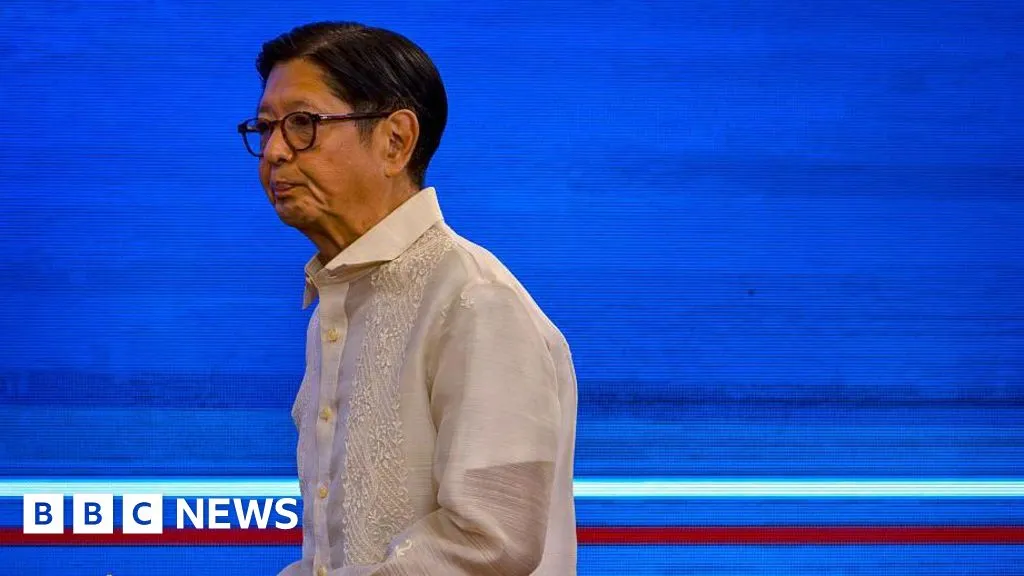
“The declaration of a state of national energy emergency will enable the government… to implement responsive and coordinated measures under existing laws to address the risks posed by disruptions in the global energy supply and the domestic economy,” stated Philippine President Ferdinand Marcos Jr. This declaration comes in response to escalating tensions from the US-Israel war on Iran, which has significant implications for global oil supplies.
The emergency, which will remain in effect for one year, allows the Philippine government to take decisive action against hoarding and profiteering of petroleum products. As of March 20, 2026, the country has approximately 45 days of fuel supply remaining, emphasizing the urgency of the situation. In light of this, the government plans to procure 1 million barrels of oil to bolster its buffer stock.
The Philippines, with a population of 116 million, relies heavily on imported fuel to maintain its power plants, with about 60% of its electricity generation coming from coal. The ongoing geopolitical crisis has raised concerns about the stability of these energy supplies, prompting the government to seek waivers from the United States to obtain oil from US-sanctioned countries.
In an effort to support those most affected by the energy crisis, the government is providing a 5,000 peso ($83) subsidy to motorcycle taxi drivers and public transport workers. Additionally, free bus rides are being offered to students and workers in various cities, showcasing the government’s commitment to mitigating the impact of rising fuel costs on everyday citizens.
Sharon Garin, a key figure in the energy sector, noted, “We talked to the generation companies, the coal-powered plants, to check how much they can increase their generation.” This highlights the government’s proactive approach to ensuring that electricity costs remain manageable for the population during this challenging time.
Organizations such as Piston have voiced their concerns, stating, “If the government genuinely intends to protect transport workers and commuters from this geopolitical crisis, it would immediately suspend the Excise Tax and Value-Added Tax on petroleum products to drastically lower prices overnight.” This call for action underscores the need for immediate relief measures as the country navigates through this energy emergency.
As the situation develops, the Philippine government is expected to implement coordinated measures to address energy supply disruptions effectively. The national energy emergency serves as a critical juncture for the country, highlighting the vulnerabilities in its energy infrastructure and the pressing need for sustainable solutions in the face of global uncertainties.
