Reaction from the field
The ongoing conflict in the Middle East has had a profound impact on marine traffic through the Strait of Hormuz, a vital waterway for global energy supplies. Approximately 20 million barrels of oil pass through this strait daily, accounting for about a fifth of global consumption and nearly a third of the world’s seaborne crude trade. The disruption of this critical route has raised alarms about potential shortages and price fluctuations in the global oil market.
Since the conflict began on February 28, only 21 tankers have successfully transited the Strait of Hormuz, a stark contrast to the more than 100 ships that navigated the strait daily prior to the onset of hostilities. Iran has maintained a tight grip on the strait, allowing only a limited number of vessels to pass under varying circumstances, which has led to significant delays and uncertainties for shipping companies.
The situation is further complicated by the geopolitical dynamics involving multiple nations. For instance, from March 1 to March 15, only 11 vessels linked to China were able to transit the strait, primarily consisting of general cargo ships. In contrast, two Indian vessels carrying liquefied petroleum gas were granted permission to navigate the area, indicating a selective approach to maritime access amidst the ongoing tensions.
Notably, a Pakistan-flagged Aframax tanker became the first confirmed non-Iranian cargo vessel to transit the chokepoint while broadcasting its location, highlighting the precarious nature of marine traffic in the region. The limited number of vessels successfully navigating the strait raises concerns about the reliability of energy supplies, particularly as the Strait of Hormuz also carries about 20% of global liquefied natural gas, much of which originates from Qatar.
Recent reports indicate that at least 16 vessels have been struck in waters near the UAE’s Fujairah port, Iraq’s Khor Al Zubair port, and the Gulf of Oman. Maritime analysts have described these attacks as appearing ‘random’ and lacking a discernible pattern, suggesting that they are aimed at sowing confusion and disruption rather than targeting specific national profiles or vessel types. This unpredictability further complicates the already tense maritime environment.
In light of these developments, S. Jaishankar, India’s External Affairs Minister, stated, “I am at the moment engaged in talking to them, and my talking has yielded some results.” This suggests ongoing diplomatic efforts to navigate the complexities of marine traffic in the region. Additionally, analysts from Windward have noted a possible informal access filter, where vessels indicating Chinese ownership or crew may be attempting to signal neutrality to avoid targeting in the current conflict environment.
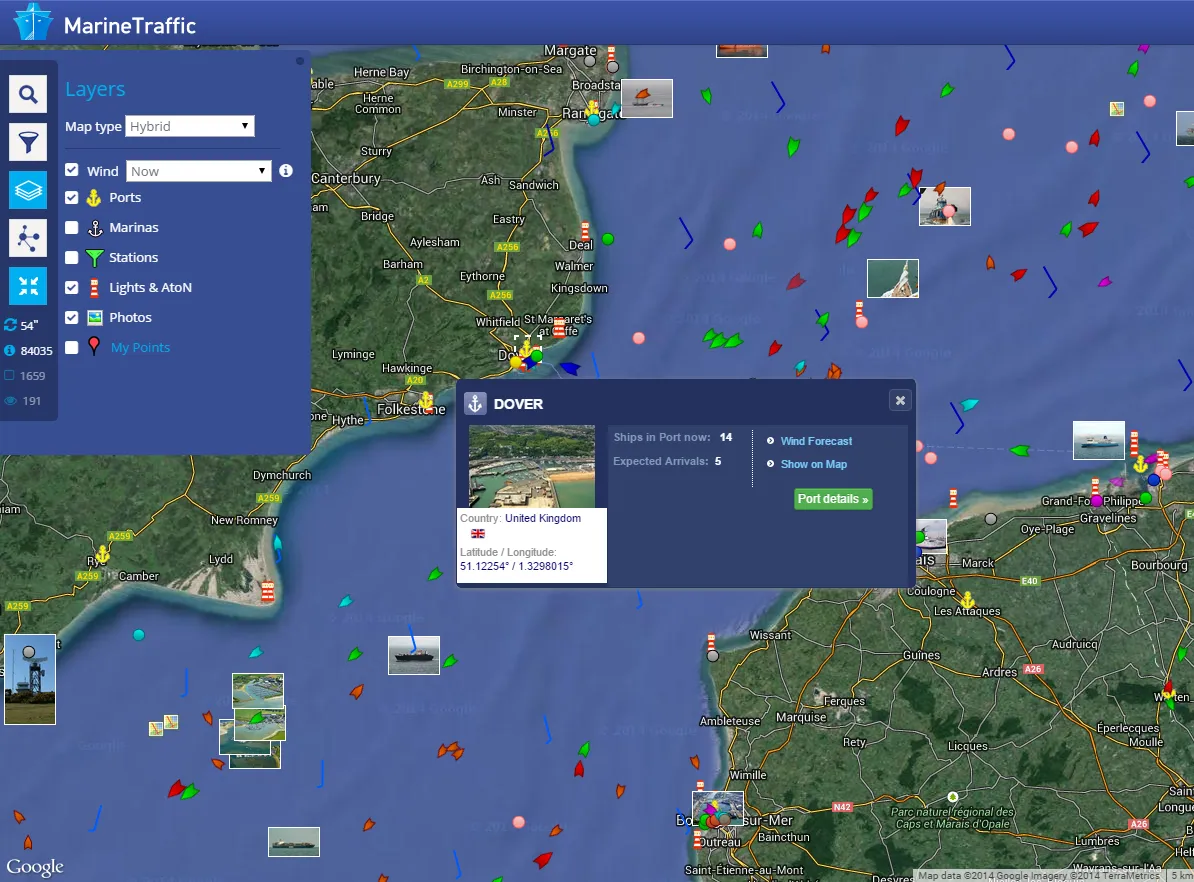
As the situation evolves, Kpler’s ship-tracking intelligence unit, MarineTraffic, has indicated that select shipments may be receiving negotiated safe passage, though details remain unconfirmed. The uncertainty surrounding marine traffic in the Strait of Hormuz continues to pose significant challenges for global trade and energy security, with stakeholders closely monitoring the situation for further developments.
