Introduction
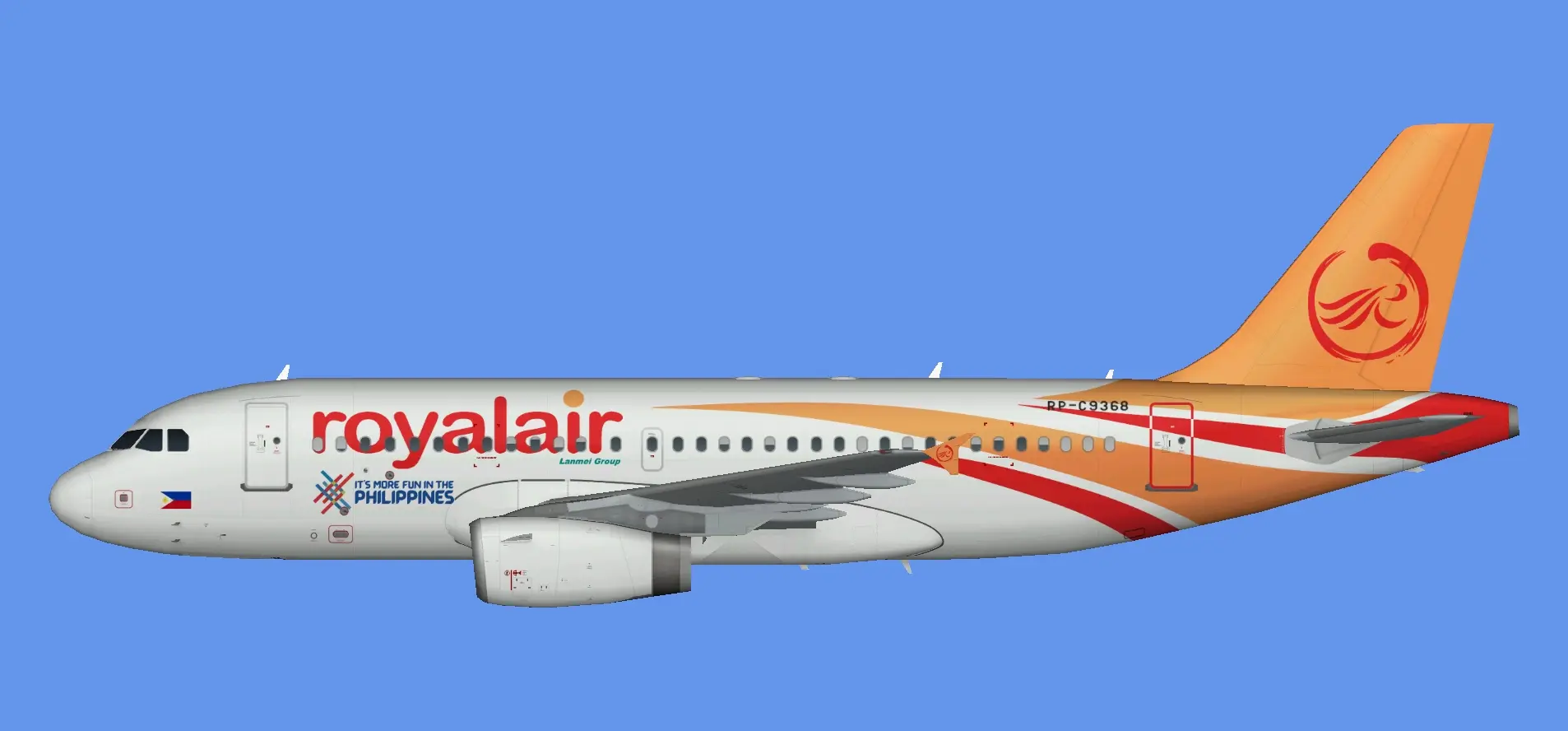
The recent announcement regarding the liquidation of Royal Air Philippines marks a significant development in the aviation sector of the Philippines. Following the impacts of the COVID-19 pandemic and ongoing operational challenges, this event holds substantial relevance not only for the employees and customers of the airline but also for the broader travel and transport industry in the region.
Background of Royal Air Philippines
Royal Air Philippines, which had been providing services since 2010, primarily catered to domestic flights and some international routes. Despite initial growth and a loyal customer base, the airline struggled to maintain profitability in recent years, compounded by the global health crisis that drastically reduced air travel demand. In August 2023, faced with mounting debts and financial difficulties, the airline ceased operations temporarily, citing the necessity for restructuring.
The Liquidation Announcement
On 10 October 2023, the management of Royal Air Philippines announced the decision to proceed with voluntary liquidation. This decision was unavoidable after attempts to secure additional funding and negotiate with creditors failed. The airline has initiated proceedings to settle its liabilities which may affect employees, stakeholders, and passengers who had planned future travel. Employees have been warned of potential job losses, and customers may face refunds or alternative arrangements for their tickets.
Impact on Stakeholders
The liquidation process will inevitably have far-reaching consequences. Employees are left uncertain about their future employment, while customers are left in limbo regarding unused tickets. Travel agencies and partners of Royal Air Philippines might also see a decline in business as the airline exits the market. Industry experts suggest that the loss of Royal Air adds to the competitive pressure on remaining airlines operating in the Philippines as they may need to accommodate displaced customers.
Conclusion
The liquidation of Royal Air Philippines serves as a stark reminder of the vulnerabilities faced by airlines amid fluctuating demand and economic challenges. As the process unfolds, it will be crucial for the company to manage the liquidation effectively to ensure a fair resolution for all parties involved. This situation could potentially reshuffle the landscape of the Philippine aviation sector, prompting remaining airlines to adapt and innovate to sustain their operations and retain customers. The future of air travel in the region now depends on the response of the remaining players in the industry to the changing dynamics.
