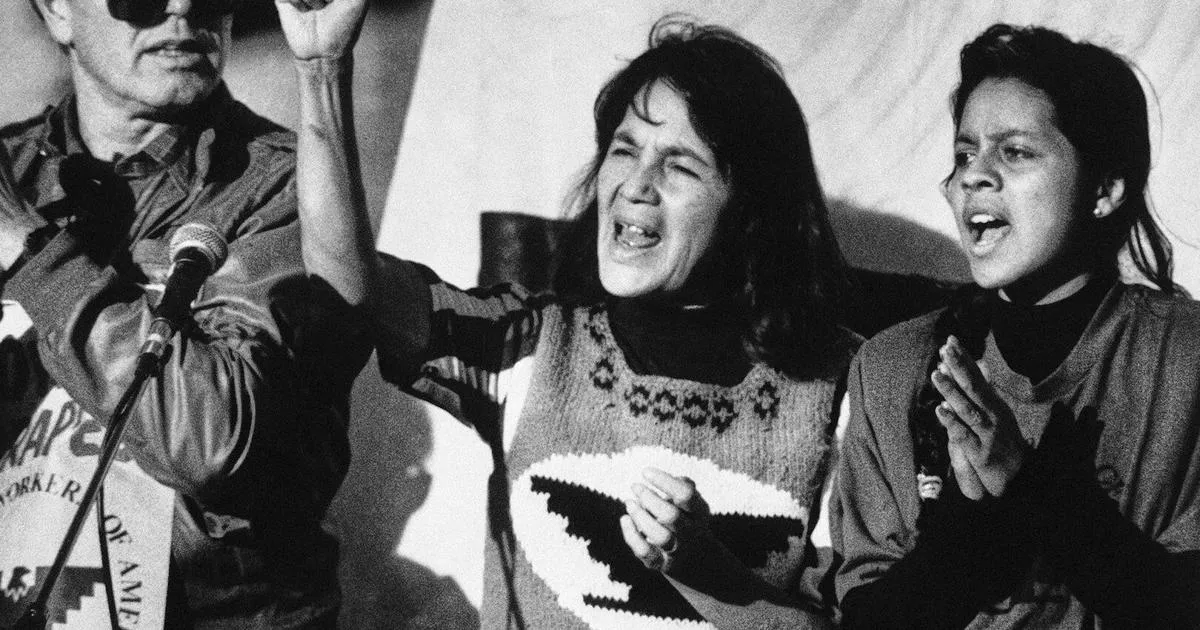
César Chavez, a long-admired Latino icon and labor rights activist, has recently come under scrutiny due to serious allegations of sexual abuse. These claims have emerged from Dolores Huerta, a prominent figure alongside Chavez in the United Farm Workers of America union, as well as two other women.
In a detailed investigation published by the New York Times, Huerta alleges that Chavez sexually abused her while they were leading the labor movement during the 1960s and 1970s. The investigation outlines a troubling narrative where Chavez is accused of grooming and abusing young girls involved in the labor movement.
The allegations have sparked a significant conversation across the United States, as many people work to reconcile Chavez’s legacy with these shocking claims. The impact of these revelations is profound, as they challenge the long-standing admiration for Chavez and raise questions about the treatment of women within historical movements for social justice.
As the public grapples with this new information, the legacy of César Chavez is being reexamined. His contributions to labor rights and social justice are undeniable, yet the allegations of sexual abuse complicate his narrative and the way he is remembered.
Currently, there is a growing call for accountability and reflection within the labor movement, as activists and historians seek to address the implications of these allegations. The situation remains fluid, and details remain unconfirmed.
These events highlight the importance of addressing issues of abuse and misconduct within movements that strive for equality and justice. The revelations about Chavez serve as a reminder that even revered figures can have complex and troubling legacies.
The unfolding story around César Chavez and the allegations against him is a crucial moment for many involved, as it forces a reconsideration of how history is interpreted and taught. The conversation surrounding these allegations is likely to continue, as activists and scholars work to understand the full scope of Chavez’s impact on labor rights and the implications of his actions.
As this narrative develops, it will be essential to listen to the voices of those who have come forward with their experiences, ensuring that their stories are heard and validated in the broader context of labor rights and activism.
