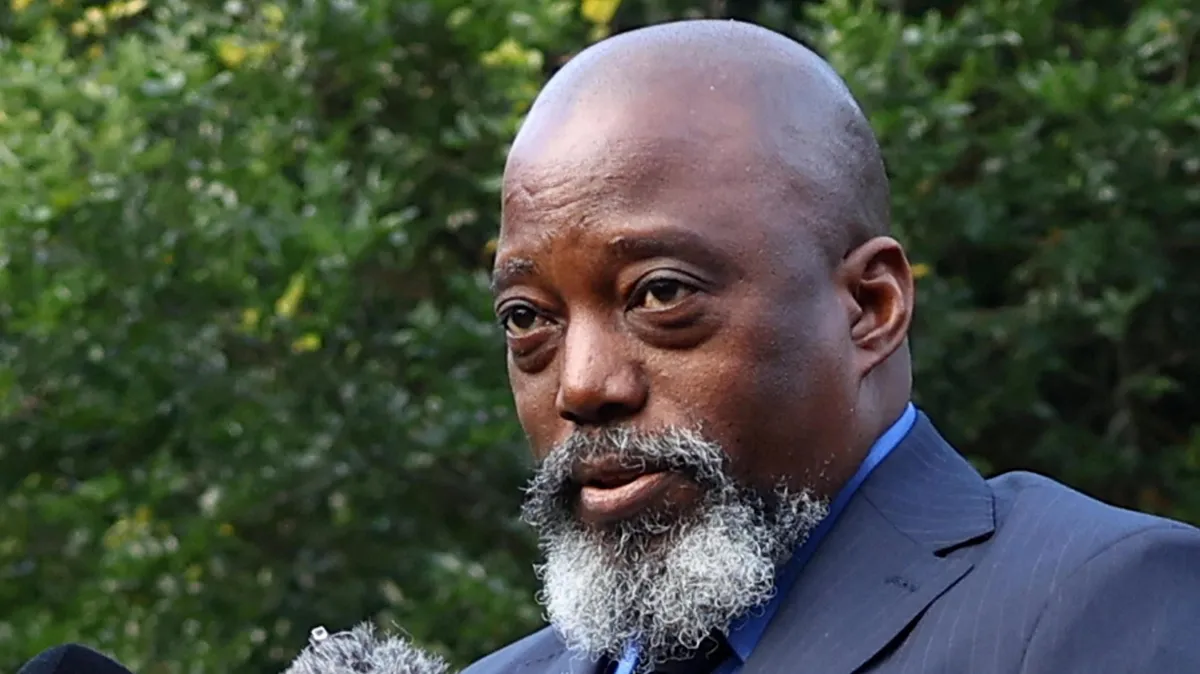
Joseph Kabila has dismissed US sanctions as politically motivated while the Democratic Republic of Congo (DRC) government views them as a critical step towards combating impunity. This divergence highlights the ongoing political instability in the region.
The United States imposed these sanctions due to allegations that Kabila supported the M23 rebel group, an armed faction backed by Rwanda. The M23 has gained control over significant areas in eastern DRC, raising concerns about regional security and governance.
Kabila’s assets in the US have been frozen, and American citizens and companies are now barred from doing business with him. This action aims to limit his capacity for mobilizing financial resources or logistical support that could prolong conflict.
Yet, Kabila argues that these sanctions are based on unsubstantiated accusations. He stated that the US decision was driven by a narrative from Kinshasa authorities who have failed to provide concrete evidence against him. This claim adds another layer of complexity to an already tumultuous political landscape.
The DRC government, however, welcomes the sanctions, emphasizing their operational implications. They believe these measures will restrict Kabila’s ability to influence military actions and potentially destabilize peace efforts in the region.
Kabila ruled the DRC for 18 years until he stepped down in 2019. His alleged connections to the M23 and financial support for groups like the Congo River Alliance have led to serious accusations, including a death sentence in absentia for treason related to his actions.
As tensions rise, it’s essential to consider how these developments might affect peace negotiations between the DRC and Rwanda, particularly amidst ongoing unrest fueled by armed groups like M23.
Scott Bessent remarked that accountability is crucial for peace in the DRC. He noted that President Trump is committed to holding those responsible for instability accountable.
Kabila’s current whereabouts remain unclear, adding uncertainty to this narrative. How this situation unfolds will be pivotal for both regional stability and international relations concerning the DRC.
