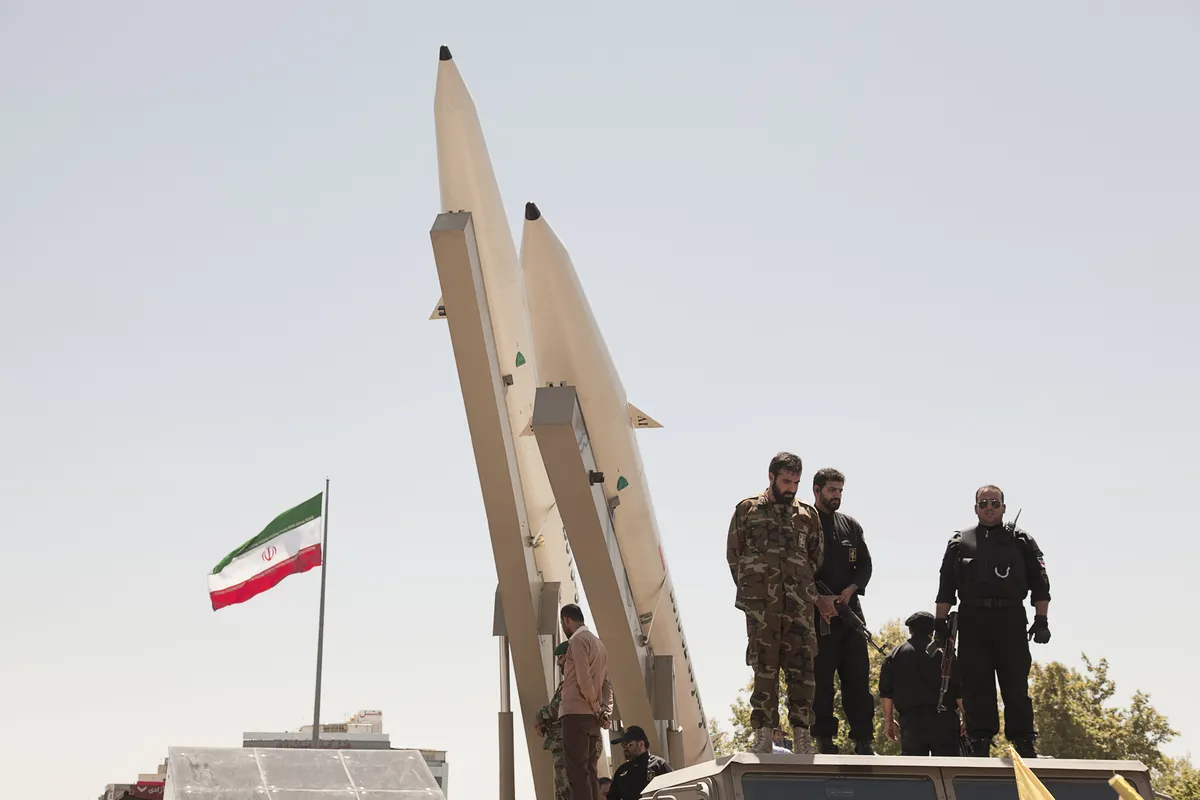
For decades, the Iranian regime has pursued nuclear weapons, long-range ballistic missiles, and a global network of terrorist proxies. This ongoing ambition has led to heightened tensions in the Gulf region, particularly as Iran has increasingly targeted neighboring countries and U.S. forces stationed there.
Recent Developments
On March 9, 2026, Qatar intercepted a total of 17 ballistic missiles and six drones launched from Iran. This incident marks a significant escalation in the ongoing conflict, which has seen Iran launching waves of ballistic missiles and drones at Israeli population centers and Gulf states hosting U.S. forces.
Since the conflict began, Israeli officials have reported that Iran has fired more than 180 ballistic missiles toward Israel, resulting in significant civilian casualties. In Israel alone, 14 civilians have been killed and over 2,000 wounded due to these missile attacks.
Additionally, Iranian strikes have caused casualties and damage across the Gulf, with around 30 people reported killed outside Israel since the onset of hostilities. The situation has prompted a coordinated military response from the United States and Israel, which began operations against the Iranian regime on February 28, 2026.
Military Actions and Responses
Israeli officials have stated that the Israel Defense Forces have successfully destroyed more than 300 Iranian ballistic missile launchers, which accounts for roughly 60% of Iran’s operational launch capacity. Despite these efforts, Iran’s missile attacks have increasingly targeted energy and maritime infrastructure across the Gulf, significantly disrupting global energy markets.
U.S. President Donald Trump emphasized the necessity of these military operations, stating, “the United States military began major combat operations in Iran to defend the American people by eliminating imminent threats from the Iranian regime.” He further asserted, “Iran can never have a nuclear weapon,” highlighting the existential threat perceived by Israel and its allies.
Future Implications
As the conflict continues, observers note that ballistic missile launches from Iran have declined roughly 90% since the war began, according to U.S. Central Command commander Adm. Brad Cooper. However, the overall war strategy of Iran appears unchanged, contributing to ongoing regional chaos with attacks on oil facilities and airports.
The appointment of Mojtaba Khamenei as the new supreme leader of Iran following the death of his father, Ali Khamenei, raises questions about the future direction of Iran’s policies. Details remain unconfirmed regarding Khamenei’s interest in diplomatic talks or potential defiance against international pressure.
