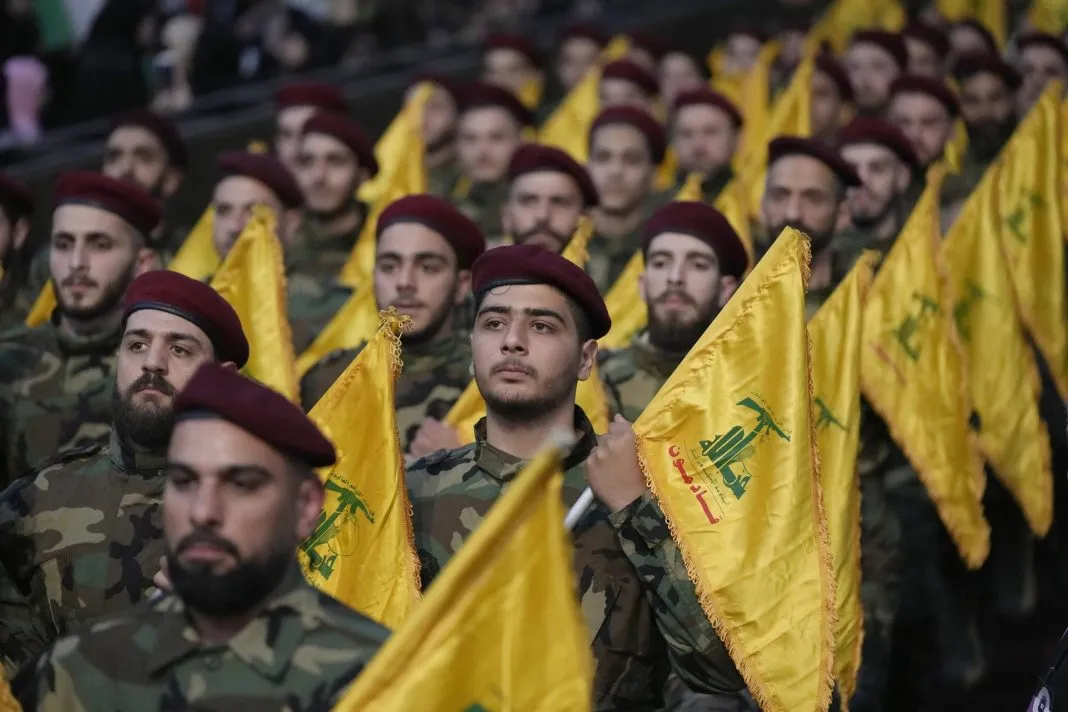
Hezbollah has increasingly utilized fiber-optic drones for precision attacks against Israeli forces, complicating Israel’s military response. This shift in tactics signals a new phase in the ongoing conflict between Hezbollah and Israel.
But why is this significant? The introduction of drone technology allows Hezbollah to conduct targeted strikes with greater accuracy, presenting a formidable challenge to Israeli airstrikes and ground operations.
Key facts:
- Hezbollah has been using fiber-optic drones to carry out targeted attacks on Israeli troops in southern Lebanon and northern Israel.
- The group’s arsenal includes Iranian precision missiles capable of striking deep inside Israeli territory.
- Before the recent Gaza conflict, Hezbollah was estimated to possess around 150,000 rockets, but it is now believed to retain just 10% of that capability.
- The Taif Agreement exempted Hezbollah from disbanding as it was considered a resistance force against Israeli occupation.
This escalation stems from Hezbollah’s history and its formation during the 1982 Israeli invasion of Lebanon. Over the years, Iranian support has bolstered the group’s military capabilities, allowing it to adapt and innovate in asymmetric warfare.
The leadership of Hezbollah, particularly figures like Secretary General Naim Qassem, emphasizes their commitment to armed resistance. Qassem stated, “We will not submit to Israel,” reflecting the group’s entrenched position in the regional conflict.
The implications are vast. As Hezbollah continues to refine its drone technology and tactics, Israel must reassess its military strategies. Officials have not specified how they plan to counter this evolving threat effectively.
This situation raises many questions about future engagements. How will Israel respond? What new measures will they implement? The answers remain unclear as both sides navigate this complex battlefield.
The dynamics of the Lebanon-Israel conflict are shifting. The stakes are higher than ever as Hezbollah’s capabilities expand under the auspices of Iranian support. As tensions rise, both sides prepare for what could be a prolonged confrontation.
