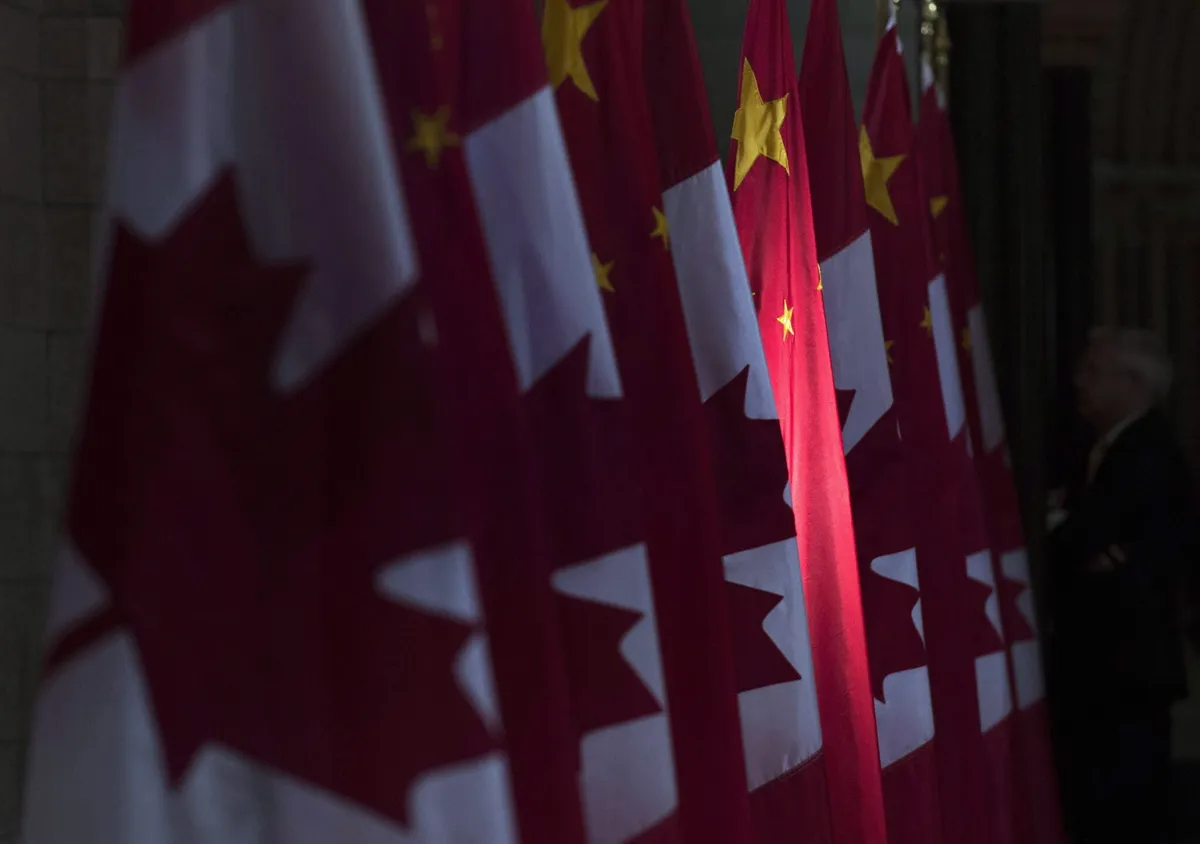
China’s recent efforts to join the CPTPP have sparked significant concern, particularly in light of its ongoing trade tensions with Canada. The situation raises a critical question: how does China’s history of economic coercion influence its candidacy for this pivotal trade agreement?
Experts point out that China has a troubling track record of leveraging trade as a weapon. For instance, in 2025, Beijing imposed a staggering 75.8 percent tariff on Canadian canola seed exports, severely impacting Canadian farmers. This action exemplifies the type of economic coercion that could undermine the foundational principles of the CPTPP.
The CPTPP, originally negotiated as the Trans-Pacific Partnership, was designed to promote free trade among member nations while ensuring compliance with international obligations. Yet, China’s bid poses a challenge to these ideals. As Ed Fast noted, “When trading partners have pushed back on specific abuses, China has deployed economic coercion—cutting off exports of critical raw materials, imposing punishing tariffs, and leveraging market access as a geopolitical weapon.” This behavior raises doubts about whether China would adhere to CPTPP standards.
That context matters because it highlights the delicate balance of power in trade negotiations. Canada’s experience serves as a cautionary tale; it has faced retaliatory measures from China before, notably during its suspension of canola imports in 2019. Such actions underscore the risks inherent in allowing a nation with such practices into a multilateral agreement.
Looking beyond the CPTPP, similar dynamics are playing out in other major trade agreements. The EU-Mercosur deal, which will take effect on 1 May 2026, aims to eliminate tariffs on over 90 percent of bilateral goods exchange and is expected to bolster EU exports by 39 percent. However, Poland has already expressed concerns about potential agricultural risks associated with this deal.
The future remains uncertain regarding China’s integration into the CPTPP and its broader implications for global trade. While negotiations continue, stakeholders must carefully consider how economic coercion might shape not only this agreement but also future international trade dynamics.
