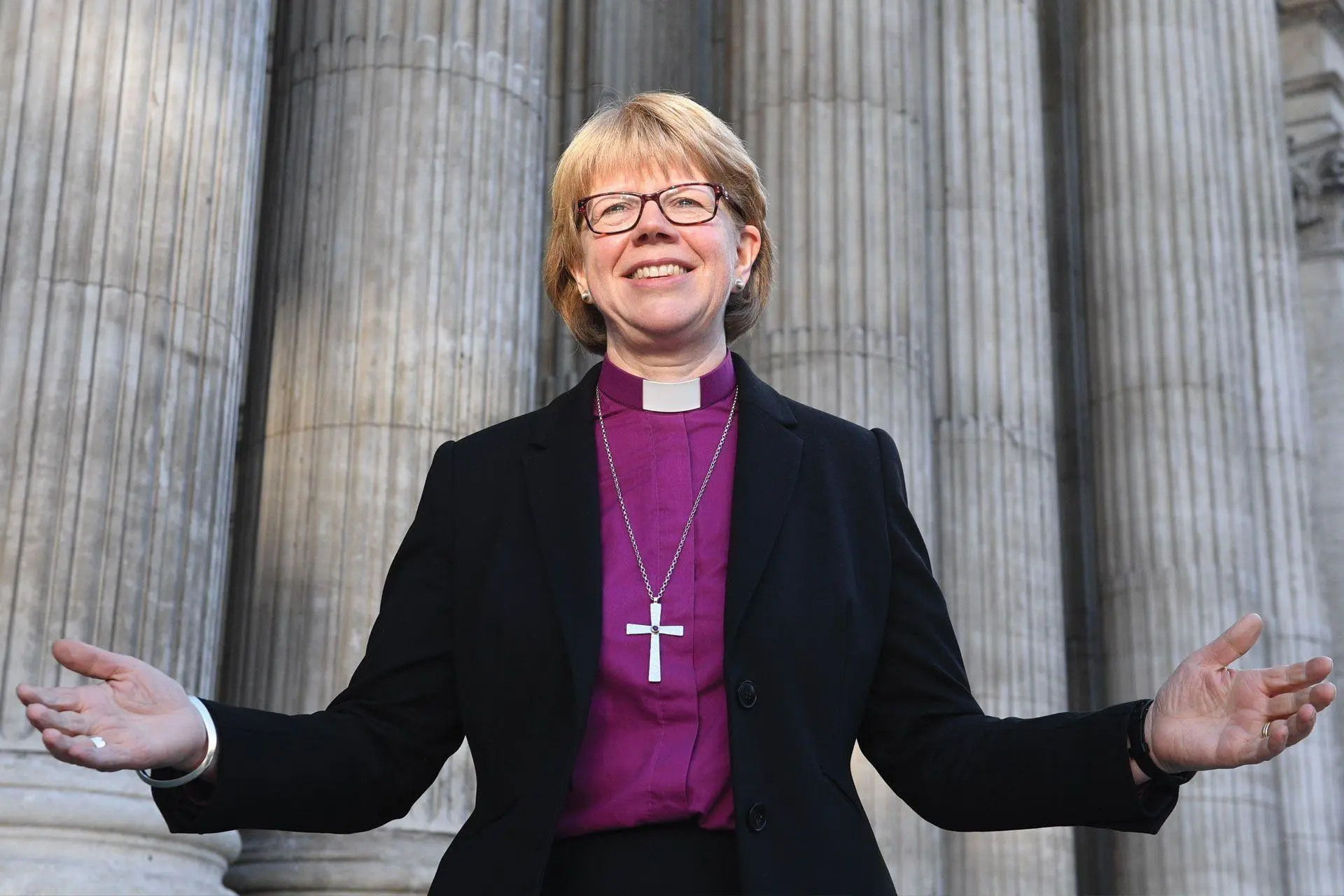
Importance of the Archbishop of Canterbury
The Archbishop of Canterbury occupies a significant position within the Church of England and the wider Anglican Communion. As the spiritual leader, the role extends beyond ecclesiastical duties to influence social issues and interfaith dialogues. With the recent appointment of the new Archbishop, questions about the future direction of the church and its stance on modern societal challenges are in the limelight.
Appointment of the New Archbishop
The new Archbishop of Canterbury, the Most Reverend Andrew H. E. D. Leavitt, was officially appointed in October 2023 following the retirement of his predecessor. A notable figure within the church, Leavitt previously served as the Bishop of Durham, where he was recognised for his commitment to community engagement and social justice initiatives. His theological stance aligns with a more inclusive approach, a focal point that resonates with many worshippers today.
Implications of the Appointment
Leavitt’s appointment comes at a time when the Church of England faces numerous challenges, including declining attendance and increasing secularisation in society. His vision includes revitalising congregational life and enhancing the church’s role in addressing social inequality. Furthermore, his commitment to environmental sustainability will likely shape the church’s policies on climate action, reflecting the growing concern for the planet.
Mirroring Societal Changes
With Leavitt at the helm, the Church of England may embrace progressive changes reflecting broader societal shifts. His previous advocacy for LGBTQ+ rights and mental health awareness indicates a potential pivot towards modernising church teachings to be more in line with contemporary values. Such changes could either attract a new generation of worshippers or ignite debates within traditionalist circles.
Conclusion
The new Archbishop of Canterbury faces a complex landscape marked by opportunities and challenges. As Andrew Leavitt takes on his new role, many will be observing how he navigates the delicate balance of tradition and progress. His leadership is poised to redefine the church’s relevance in modern Britain, raising intriguing possibilities for the future of the Anglican Communion’s influence both locally and globally. With the Church at a crossroads, Leavitt’s vision and strategic direction will significantly shape the trajectory of the institution in the years to come.
