Introduction
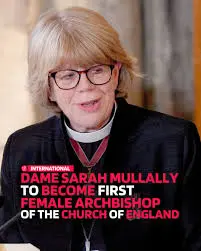
Sarah Mullally, the Bishop of London, has become a significant figure within the Church of England since her consecration in 2017. Her appointment marked a pivotal moment in the Church’s history, reflecting a broader commitment to diversity and inclusion. With her leadership, Mullally has taken on numerous challenges, addressing contemporary issues that resonate with both churchgoers and the wider community.
Career Background and Contributions
Bishop Sarah Mullally holds a distinguished career prior to her episcopal role. She served as the Bishop of Crediton, and her experience in healthcare as a former nurse brings a unique perspective to her ministry. In her tenure as the Bishop of London, Mullally has focused on various areas, including social justice, youth engagement, and digital innovation within the church.
In 2021, she launched a significant initiative aimed at mental health awareness, recognising the importance of support for mental well-being in a post-pandemic society. This initiative not only shows her commitment to pastoral care but also reflects her understanding of contemporary societal issues, making the church more relevant to younger generations.
Recent Developments and Initiatives
In recent months, Bishop Mullally has been actively involved in discussions about climate change and sustainability, aligning her ministry with the Church of England’s ongoing commitment to environmental stewardship. In 2023, she led various interfaith dialogues aimed at fostering collaboration among different religious communities to tackle the pressing challenge of climate change.
Moreover, her participation in the Lambeth Conference highlighted her commitment to global Anglicanism, as she engaged with bishops from around the world on the future of the Church and its role in addressing contemporary issues. Mullally’s focus on inclusivity also extends to advocating for equal rights and gender equity within the church, ensuring that all voices are heard and represented.
Conclusion
As Sarah Mullally continues her ministry as the Bishop of London, her role remains crucial in guiding the Church of England through a rapidly changing world. Her leadership style, grounded in compassion and understanding, is paving the way for a more inclusive and responsive church. Looking forward, the impact of her initiatives and her dedication to social justice, mental health advocacy, and environmental concerns signals a positive direction for the Church as it seeks to connect with society’s evolving values. Mullally’s contributions serve not only her diocese but also set a precedent for how church leaders can engage meaningfully with both local and global issues.
