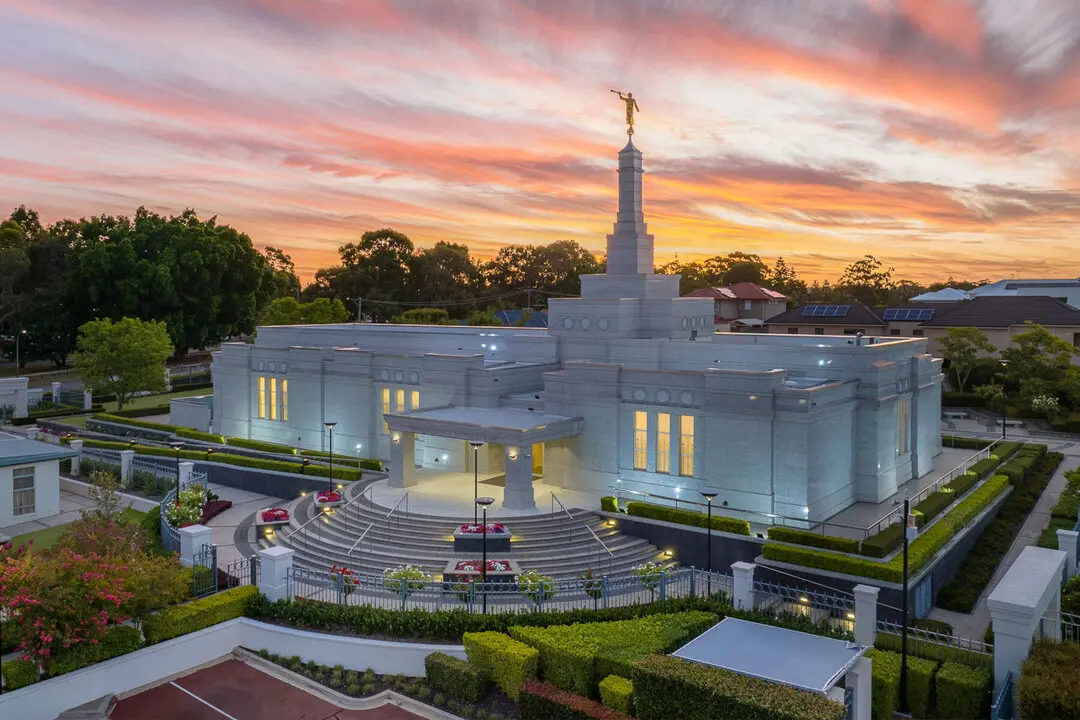
Introduction
The Mormon Church, officially known as The Church of Jesus Christ of Latter-day Saints (LDS Church), has long been a significant entity within the global religious landscape. With millions of members worldwide, its influence extends beyond spiritual practices into societal matters, cultural events, and even political arenas. Recent developments within the church demonstrate its ongoing evolution and the Church’s ability to adapt to contemporary societal changes.
Recent Developments
This year, the Mormon Church has made headlines regarding its policies and community outreach programs. In September 2023, church leaders announced new initiatives aimed at increasing the representation of women in church leadership roles. This decision marks a pivotal shift as the church seeks to modernise its image and make strides towards gender equality. President Russell M. Nelson emphasised the importance of diverse voices within church activities, stating, ‘We are all brothers and sisters, and every perspective strengthens our community.’
Moreover, the church has recently expanded its humanitarian efforts, focusing on disaster relief assistance and global outreach. In the aftermath of the devastating earthquakes that struck Morocco earlier this month, the church mobilised resources to provide aid and support where it is most needed. These humanitarian initiatives, which have broadened in scope since the COVID-19 pandemic, highlight the Church’s commitment to service and community support.
Cultural and Political Influence
The Mormon Church continues to hold a notable position in both cultural and political contexts. Recent discussions around legislation concerning religious freedom and LGBTQ rights reflect how the church is navigating its beliefs amidst shifting societal values. In a notable dialogue, church leaders have expressed desire for better understanding and collaboration with the LGBTQ community, indicating a potential shift towards greater acceptance.
Additionally, as mid-term U.S. elections approach, the church’s members are buzzed about their involvement in civic engagement. Voter registration drives being spearheaded by local wards seek to encourage participation among younger members, aligning with the church’s longstanding advocacy for moral responsibility in governance.
Conclusion
The developments surrounding the Mormon Church reveal a dynamic organisation striving to find relevance in an ever-changing world. As the church adapts its structures and outreach efforts, it remains an influential presence in religious and societal discussions. The significance of these adaptations not only impacts its followers but also society at large, as they reflect ongoing cultural shifts towards inclusivity and humanitarianism.
