Introduction
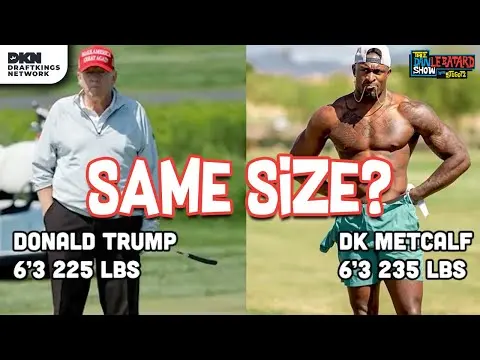
The height of public figures often garners attention, and for former President Donald Trump, it is no exception. Standing at 6 feet 3 inches tall, Trump’s height has been a topic of both curiosity and scrutiny. Understanding the significance of his stature provides insights into his public persona and the cultural context surrounding leadership in the United States.
The Height Debate
Donald Trump’s reported height of 6’3″ has been confirmed in various official documents, including his medical records released in the past. However, in an age of information where public perception can be heavily influenced by media portrayal, the discussion around his height often takes on a humorous or critical tone. Late-night comedians and social media users have frequently circulated memes and jokes focusing on Trump’s height, questioning whether he truly measures up to the claims.
Importance in Public Perception
Height has long been associated with authority and leadership, with taller individuals often perceived as more dominant and capable. This correlation stems from societal biases that equate stature with power, which can be traced back through history. In the context of Trump’s presidency, his height may have contributed to his image as a strong and assertive leader. The visual presence he commands when addressing crowds or standing beside other political figures plays a role in shaping public perception.
Height in Politics
Trump’s height is particularly relevant when considering the overall landscape of American presidents. Historically, most U.S. presidents have been taller than average, thus reinforcing the stereotype that taller men are more successful in political roles. For instance, Abraham Lincoln stood at 6’4”, and Barack Obama was 6’1”. Trump’s stature places him within the upper echelons of presidential height, expressing a level of physical presence that aligns with public expectations.
Conclusion
While Donald Trump’s height may seem like a trivial detail, it encapsulates a broader dialogue on how public figures are perceived in society. In many ways, height has proven to be a symbolic attribute, influencing how leaders are viewed and engaging discussions about them on various platforms. As political landscapes evolve, so too will the relevance of such attributes, adapting to new cultural narratives and standards. For readers, understanding this aspect of Trump’s identity may provide deeper insights into the interplay between personal attributes and public roles.
