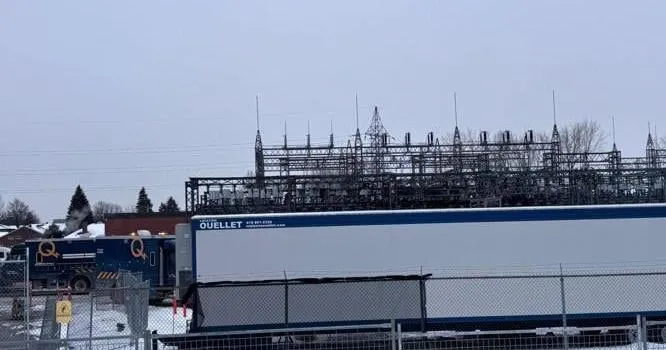
How is Hydro Quebec responding to the severe weather conditions?
As a significant freezing rain storm approaches, Hydro Quebec is raising concerns about potential power outages across the province. The central question this event raises is: how prepared is Hydro Quebec to handle the impact of this severe weather? The answer is that Hydro Quebec has mobilized extensive resources, with 550 crews and 1,100 personnel ready to respond to emergencies as they arise.
As of 5 p.m. on March 11, over 51,000 addresses in Quebec were reported to be without electricity, highlighting the immediate impact of the storm. Environment Canada has forecasted that Greater Montreal will receive between 20 to 30 millimeters of freezing rain, which is expected to exacerbate the situation by causing trees to fall and damage power lines.
What led to this moment?
This situation is reminiscent of the major ice storm that struck in 2023, which prompted Hydro Quebec to enhance its storm preparedness. Last year, the company invested approximately $150 million in trimming trees near power lines to mitigate the risks associated with severe weather. These proactive measures are anticipated to help reduce the impact of outages during the current storm.
Emergency services are also gearing up for a surge in calls related to falling branches and power outages. Chris Ross, president of the Montreal Firefighters Association, expressed concerns about the potential for increased emergency calls, stating, “We’re expecting a significant increase in the calls, specifically for those branches falling on wires, either creating sparks, creating fires.” This highlights the interconnectedness of weather events and public safety.
What are the implications for residents?
In light of the impending storm, local authorities are urging residents to prepare adequately. Vanessa Grillo, chief of operations at Urgences-santé, advised, “Make sure they have everything they need — their medications, enough food to last them a couple of days.” This guidance is critical as residents may face prolonged outages and disruptions to their daily lives.
Additionally, Chris Ross emphasized the importance of safety measures in homes, particularly regarding carbon monoxide detectors. He stated, “If you don’t have a carbon monoxide detector in your house, you should.” This precaution is vital as power outages can lead to the use of alternative heating sources, which may pose risks if not monitored properly.
What comes next?
As the storm progresses, Premier François Legault is closely monitoring the situation and has assured the public that Hydro Quebec crews are prepared to respond swiftly. The Old Brewery Mission has also implemented measures to maintain maximum capacity during the storm, ensuring that vulnerable populations have access to shelter and resources.
While Hydro Quebec’s preparations and the response of emergency services are commendable, the full extent of the storm’s impact remains to be seen. Details remain unconfirmed regarding the total number of outages and the duration of the storm’s effects. As the situation develops, residents are encouraged to stay informed and heed safety recommendations from local authorities.
