Introduction
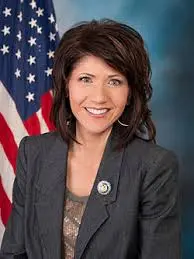
Kristi Noem, the 33rd governor of South Dakota, has recently captured national attention for her policies and leadership style. As the first female governor of the state, her tenure is significant not only for its historic implications but also for its reflection of contemporary political issues facing the United States. Her approach to governance, especially during the COVID-19 pandemic, has fueled discussions on state leadership and public health policies.
Political Background
Kristi Noem’s political journey began in 2010 when she was elected to the U.S. House of Representatives, where she served until 2019. Her time in Congress was marked by her support for conservative policies, including tax cuts and deregulation. In 2018, she successfully ran for governor, emphasizing her commitment to individual liberties and economic growth.
Governorship and Policies
Upon taking office, Noem focused on a range of issues, including agriculture, healthcare, and education. She has been particularly noteworthy for her hands-off approach to the COVID-19 pandemic, opting against strict lockdowns and mask mandates. This decision received both praise and criticism, with supporters highlighting the preservation of personal freedoms, while opponents raised concerns about public health risks.
In 2021, Noem signed legislation that prohibited transgender women from competing in female sports, aligning with a national trend among Republican leaders across various states. This move sparked significant debate, illustrating the polarization surrounding gender identity issues.
Impact on South Dakota and Beyond
Noem’s policies have sparked a mix of economic growth and increased scrutiny. South Dakota experienced one of the lowest unemployment rates in the nation during her tenure, largely attributed to her business-friendly approach. However, critics argue that her governance style could be detrimental to long-term public health and social inclusivity.
Conclusion
Kristi Noem remains a powerful figure in contemporary American politics, embodying the complexities of modern governance. As she continues her term as governor and possibly sets her sights on higher office, the implications of her leadership will resonate well beyond South Dakota. Observers are keenly watching her next steps, as they could shape the future political landscape, particularly within the Republican Party.
