Shifting Expectations on Drug Trafficking
Before the recent developments, the expectation surrounding the fight against drug cartels in Latin America was marked by a sense of stagnation. Despite billions of dollars in military aid from the United States to its allies in the region, drug production and trafficking continued to thrive. Cocaine production had reached record highs, and global drug prices were at historic lows, indicating a failure of existing strategies.
A Decisive Moment at the Conference
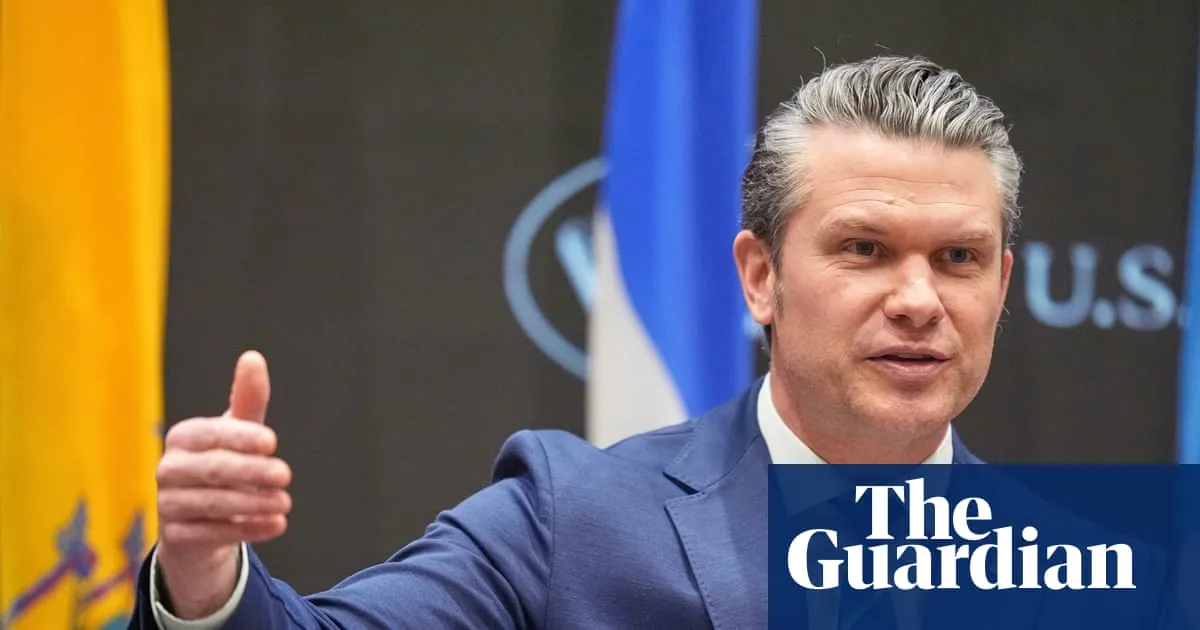
On March 5, 2026, at the Americas Counter Cartel Conference held in Miami, Florida, Pete Hegseth urged representatives from 16 Latin American and Caribbean countries to adopt a more aggressive approach against drug cartels. His remarks came at a time when Colombia, Mexico, and Brazil—countries significantly impacted by drug production and trafficking—did not attend the conference, highlighting a disconnect between the U.S. and its regional partners. Hegseth’s assertion that “America is prepared to take on these threats and go on offence alone if necessary” marked a decisive moment in the ongoing struggle against drug cartels.
Immediate Effects on Stakeholders
The immediate effects of Hegseth’s comments reverberated through various parties involved. While some Latin American nations may have felt compelled to reconsider their strategies, others, particularly those absent from the conference, might view this as further U.S. overreach. Critics, including Joe Scarborough and Mika Brzezinski from the show ‘Morning Joe,’ condemned Hegseth’s remarks as “childish and pathetic,” questioning his suitability for a position of significant responsibility such as Secretary of Defense.
Expert Perspectives on the Shift
Experts have weighed in on the implications of Hegseth’s statements. David Marques, an analyst on military and drug policy, noted that “military power alone is not sufficient to deal with this challenge,” emphasizing the need for a multifaceted approach that includes social and economic strategies. This perspective contrasts sharply with Hegseth’s more aggressive stance, suggesting that a balance must be struck between military action and comprehensive policy reform.
Historical Context of the War on Drugs
The U.S. has a long history of involvement in the so-called ‘war on drugs,’ a concept it created in the past but no longer uses internally. This historical backdrop adds complexity to Hegseth’s recent push for a more confrontational approach. The failure of past strategies raises questions about the effectiveness of renewed military interventions and whether they can yield different results.
Criticism and Controversy
Hegseth’s comments did not go unchallenged. His criticism of mainstream media for focusing on American casualties in the Iran War to undermine President Trump was met with disdain. Scarborough remarked, “They actually tried to make the death of American troops about Donald Trump. It was just so childish,” further illustrating the contentious atmosphere surrounding Hegseth’s remarks.
Looking Ahead
As the landscape of drug trafficking continues to evolve, the responses from both the U.S. and Latin American countries will be crucial in shaping future strategies. With cocaine production at an all-time high and the effectiveness of military aid in question, the need for a comprehensive approach is more pressing than ever. Details remain unconfirmed as stakeholders assess the implications of Hegseth’s call for action.
