Key moments
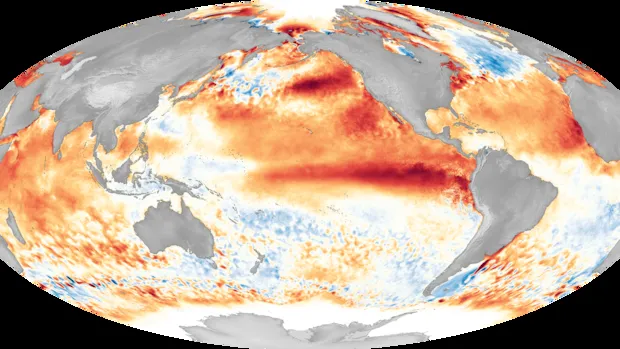
Canada is preparing for a significant El Niño event expected to commence in June 2026. This climatic phenomenon, characterized by warmer than average surface waters in the eastern tropical Pacific, has the potential to drastically alter weather patterns across the globe, including in Canada.
Recent forecasts indicate that the upcoming El Niño could result in a temperature anomaly of approximately 2.4 C above the pre-industrial average. This is particularly concerning given that the last strong El Niño, which occurred during the 2015-2016 period, saw ocean temperatures rise by roughly 2 C above average, leading to severe weather events worldwide.
Historically, the strongest El Niños recorded were in 1997-98 and 2015-16. The 2015-2016 event was notable for bringing a record hurricane year in the central North Pacific and severe drought conditions in regions like Ethiopia. As Canada braces for the upcoming event, experts are warning that a strong El Niño could exacerbate wildfire seasons and lead to extreme heat across the country.
According to climate analyst Zeke Hausfather, “It seems like we’re in for a strong [El Niño] with a chance of a super strong El Niño event.” This sentiment is echoed by Natasha Ramsahai, who states, “This is expected to strengthen into a very strong El Niño by the winter time of this year.” Such predictions raise alarms about the potential impacts on Canadian weather systems.
The spring forecast for 2026 suggests wetter conditions in eastern Canada, while the Prairies may experience drier weather. Additionally, April 2026 is anticipated to be colder than normal for much of the country. These changes could be influenced by the polar vortex, which has already affected winter conditions in Canada, leading to a tougher winter than usual in early 2026.
Experts like Anthony Farnell warn that if hot weather coincides with increased lightning strikes, the risk of wildfires could significantly rise. “If you do get hot weather, a lot of lightning strikes, that could lead to more fires,” he cautions. The implications of these weather changes are profound, particularly for communities vulnerable to wildfires and extreme heat.
While the forecasts are alarming, it is important to note that details remain unconfirmed regarding the exact impact of the upcoming El Niño on specific weather patterns in Canada. The situation is fluid, and ongoing monitoring will be essential as the event approaches.
As the world grapples with the effects of climate change, the expected El Niño in Canada serves as a reminder of the interconnectedness of global weather patterns and the importance of preparedness in the face of potential climate extremes.
