Reaction from the field
The Environmental Working Group (EWG) has released its annual Dirty Dozen list for 2026, highlighting significant concerns regarding pesticide contamination in commonly consumed fruits and vegetables. The findings reveal that a staggering 96 percent of samples from the Dirty Dozen contained pesticide residues, raising alarms about food safety and public health.
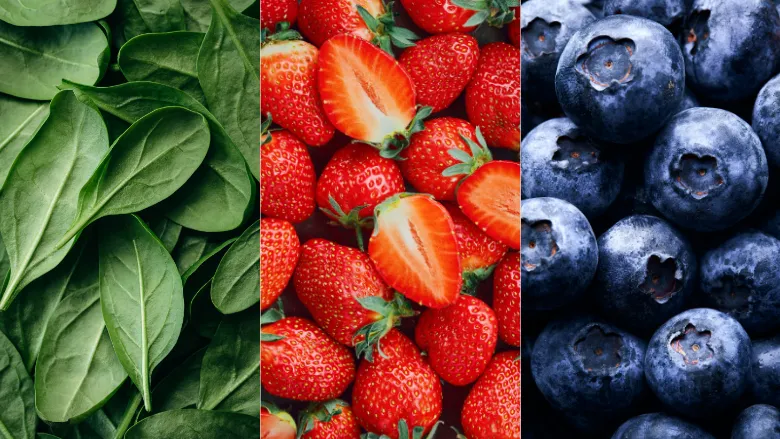
The 2026 Dirty Dozen includes spinach, kale, collard and mustard greens, strawberries, grapes, nectarines, peaches, cherries, apples, blackberries, pears, potatoes, and blueberries. A total of 203 different pesticides were detected on these items, with PFAS pesticides found in 63 percent of the samples. This alarming statistic underscores the pervasive nature of chemical contamination in our food supply.
Every type of produce on the Dirty Dozen list, except for potatoes, had an average of four or more pesticides detected on individual samples. This level of contamination raises questions about the safety of consuming these fruits and vegetables, particularly for vulnerable populations such as children and pregnant women. Varun Subramaniam from EWG emphasizes, “Consumers have a right to know what’s on their food,” highlighting the importance of transparency in food labeling.
In contrast, the EWG also published its Clean Fifteen list for 2026, which includes pineapple, sweet corn, avocados, papaya, onions, sweet peas, asparagus, cabbage, cauliflower, watermelon, mangoes, bananas, carrots, mushrooms, and kiwi. Almost 60 percent of samples from the Clean Fifteen had no detectable pesticide residues, indicating that some produce options are significantly safer for consumption.
However, 16 percent of samples in the Clean Fifteen still contained residues of two or more pesticides, suggesting that while some fruits and vegetables are cleaner than others, pesticide exposure remains a concern across the board. Andrea Love, a food safety expert, notes, “You’d need to eat hundreds of servings of each food to even hit the safety threshold,” which may provide some reassurance to consumers.
Despite the presence of pesticides, Subramaniam argues that “the benefits of produce consumption, both organic and conventional, outweigh the risks of pesticide exposure.” This statement reflects a broader perspective on the importance of including fruits and vegetables in our diets, even as we navigate the complexities of pesticide contamination.
As consumers become increasingly aware of these issues, the demand for organic and sustainably grown produce is likely to rise. Details remain unconfirmed regarding any potential regulatory changes or new initiatives aimed at reducing pesticide use in agriculture. The ongoing conversation about food safety and environmental health will continue to evolve as more information becomes available.
