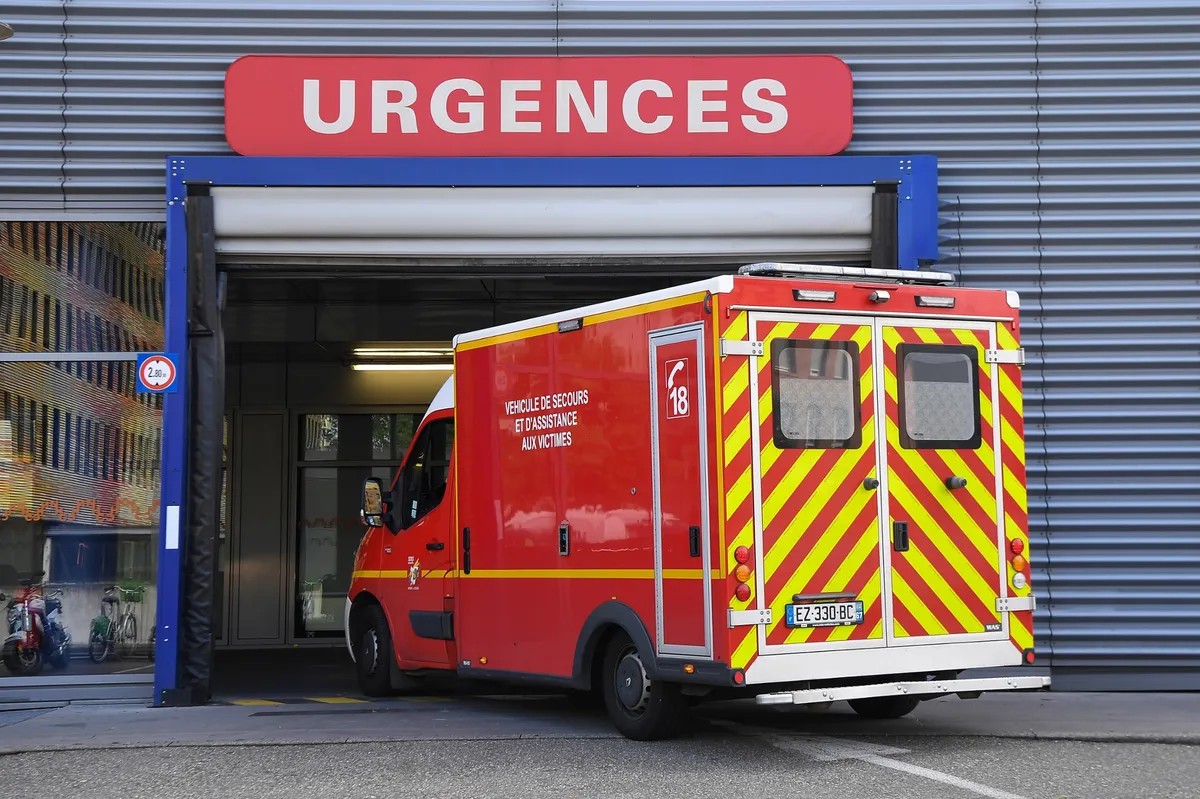
A mother’s harrowing experience highlights the critical failures of Quebec’s emergency healthcare system, where over 370,000 patients left emergency rooms without seeing a doctor in 2025-2026. Leslie Corrot waited nine hours in an emergency room with her son Axton, who was suffering from a high fever and severe symptoms.
During that agonizing wait, Axton’s condition worsened—he reached a fever of 41 degrees Celsius. Frustrated and desperate, Corrot decided to leave the hospital. “Là, je dis : “Écoute, je m’en vais”. Parce que j’en avais plein mon derrière.” she recounted. This moment illustrates the desperation many face when confronted with long emergency room wait times.
Eventually, Axton received a diagnosis of acute leukemia after a second visit to another emergency room. Medical staff quickly identified his dangerously low blood cell counts. Fortunately, he was treated at the Centre hospitalier pour enfants de l’est de l’Ontario (CHEO) and received intensive care including blood transfusions and lumbar punctures.
This incident is not isolated; it reflects a systemic issue within the Quebec healthcare system. Daily, between 1,000 and 1,100 patients leave without being seen due to overwhelming patient overload. Gilbert Boucher, a healthcare professional, stated that “On manque beaucoup de ressources dans nos urgences.” This sentiment resonates with many who have faced similar challenges.
That context matters because it underscores a growing crisis in pediatric care and emergency services in Quebec. The province’s emergency rooms are struggling to manage patient loads effectively—ideally handling around 8,000 patients on a good day.
The implications are severe. Families like Corrot’s are left vulnerable as they navigate an overstressed system that fails to provide timely medical assistance. Observers worry about the long-term effects on patient health outcomes if these trends continue.
