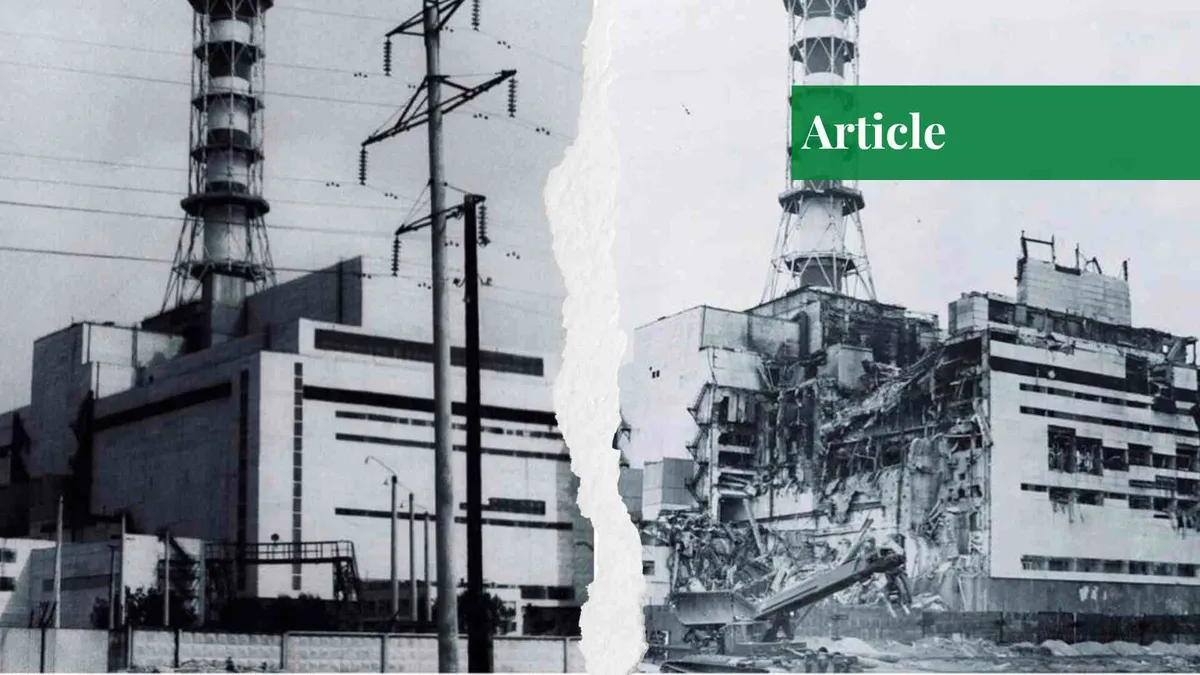
On April 26, 1986, a reactor at the Chernobyl Nuclear Power Plant exploded, releasing a radioactive cloud that drifted across Europe. This catastrophic event marked the beginning of a long and painful journey for many.
Fast forward to today—40 years later—survivors known as ‘liquidators’ have returned to the site. These brave individuals were among the nearly 600,000 mobilized to contain and clean up the disaster in its immediate aftermath.
Their return highlights not just personal stories but also an enduring legacy of radiation contamination. The nearby city of Pripyat, once home to about 48,000 residents, remains a ghost town within an exclusion zone.
Why do these returns matter? They serve as a poignant reminder of the human costs associated with technological failures. Oleg Kobtzeff, a former liquidator, once stated, “Chernobyl was becoming a catalyst for everything that was wrong with the system.” His words resonate even today.
In the decades following the disaster, wildlife has reclaimed parts of this contaminated land. Remarkably, Przewalski’s horses now roam freely in areas once deemed too dangerous for life. This juxtaposition raises questions about resilience in nature versus human vulnerability.
Yet, many liquidators had little understanding of the dangers they faced while cleaning up radioactive debris. As they revisit their past, they confront both memories and lingering health issues that continue to affect them.
The Soviet political culture surrounding Chernobyl further complicates this narrative. The disaster exposed severe deficiencies in reactor design and highlighted a culture of secrecy that contributed to its escalation.
Today, as survivors reflect on their experiences, they shine a light on broader themes: accountability, recovery, and remembrance. Their stories are crucial in understanding how we navigate risks associated with nuclear energy.
This sequence of events matters profoundly—not just for those who lived through it but for future generations as well. The lessons learned from Chernobyl remain relevant in discussions about energy policy and safety protocols worldwide.
As we look back on this tragic chapter in history, it’s essential to acknowledge both the human toll and environmental scars left behind by one of the worst civilian nuclear disasters ever recorded.
