Introduction
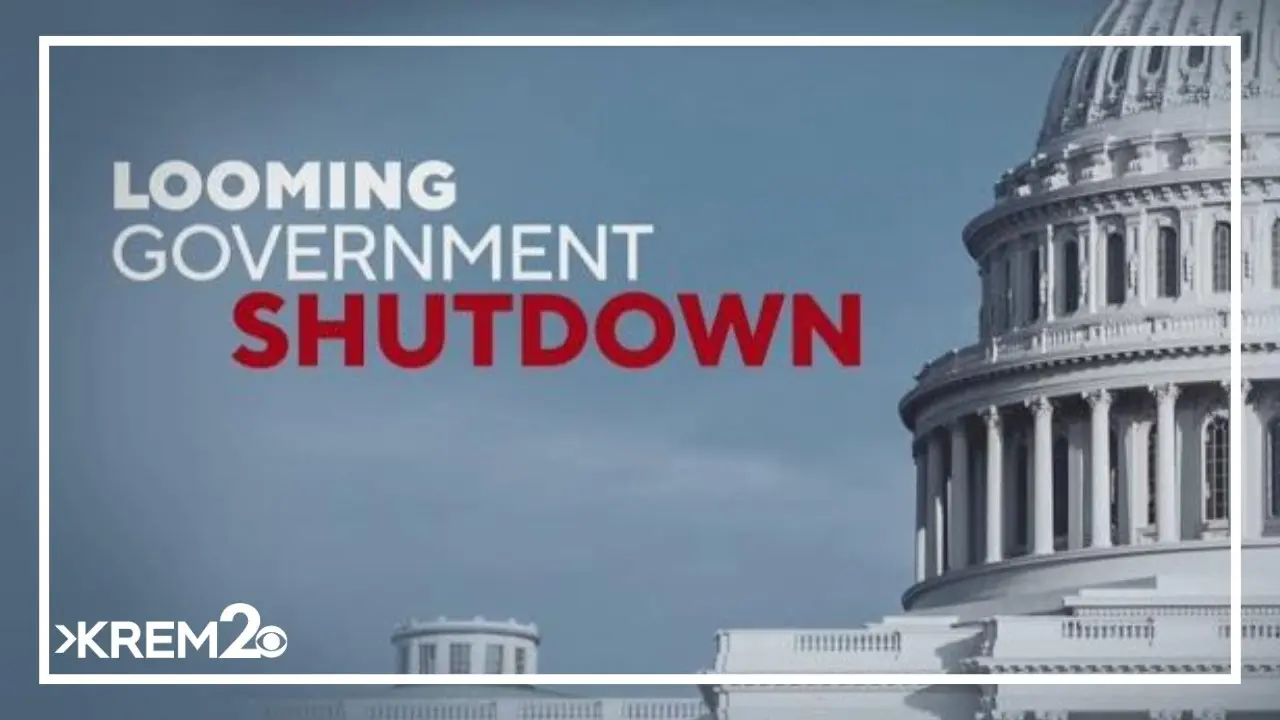
The prospect of a federal government shutdown in the United States is a recurring topic, often accompanied by uncertainty and concern. These shutdowns occur when Congress fails to pass spending legislation, leading to a temporary closure of non-essential federal services. Understanding the implications of these shutdowns is crucial, as they affect millions of Americans, disrupt government operations, and provoke widespread debate about the federal budget.
Historical Context
Federal government shutdowns are not a new phenomenon; they date back to the late 1970s. Since then, there have been numerous shutdowns, with varying durations and impacts. Notably, the longest shutdown occurred from December 2018 to January 2019, lasting 35 days, impacting around 800,000 federal workers who faced furloughs or were required to work without pay.
Recent Events
As of September 2023, Congress is once again facing the threat of a shutdown as lawmakers struggle to reach an agreement on budget proposals. Key issues at the heart of the negotiations include funding for domestic programs, border security measures, and fiscal strategies to address the growing national debt. The Republican-controlled House and the Democrat-led Senate have expressed stark differences in their budgetary priorities, complicating the negotiation process.
Should a shutdown occur, the immediate impacts would manifest through the closure of national parks, delays in federal contracts, and the suspension of services such as processing of certain benefits. Essential services, including the military and emergency responders, would remain operational, but many government employees would face uncertainty regarding their pay.
Broader Implications
The risk of shutdowns is not solely a political issue; it has significant economic ramifications. According to reports by the Congressional Budget Office, the last prolonged shutdown cost the US economy over $11 billion, and it took several weeks for the economy to recover after federal operations resumed. Moreover, the consistent threat of shutdowns can affect public trust in government, leading to a sense of instability and unpredictability.
Conclusion
As Congress approaches critical budget deadlines, the spectre of federal government shutdowns looms large. For citizens, especially those dependent on federal services, this could lead to increased anxiety and uncertainty. Observers suggest that a cooperative approach in Congress could mitigate the risk of shutdowns, but significant ideological divides remain a formidable barrier. Moving forward, the potential implications of a shutdown warrant attention from both lawmakers and the public as the conversation surrounding fiscal responsibility continues.
