Introduction
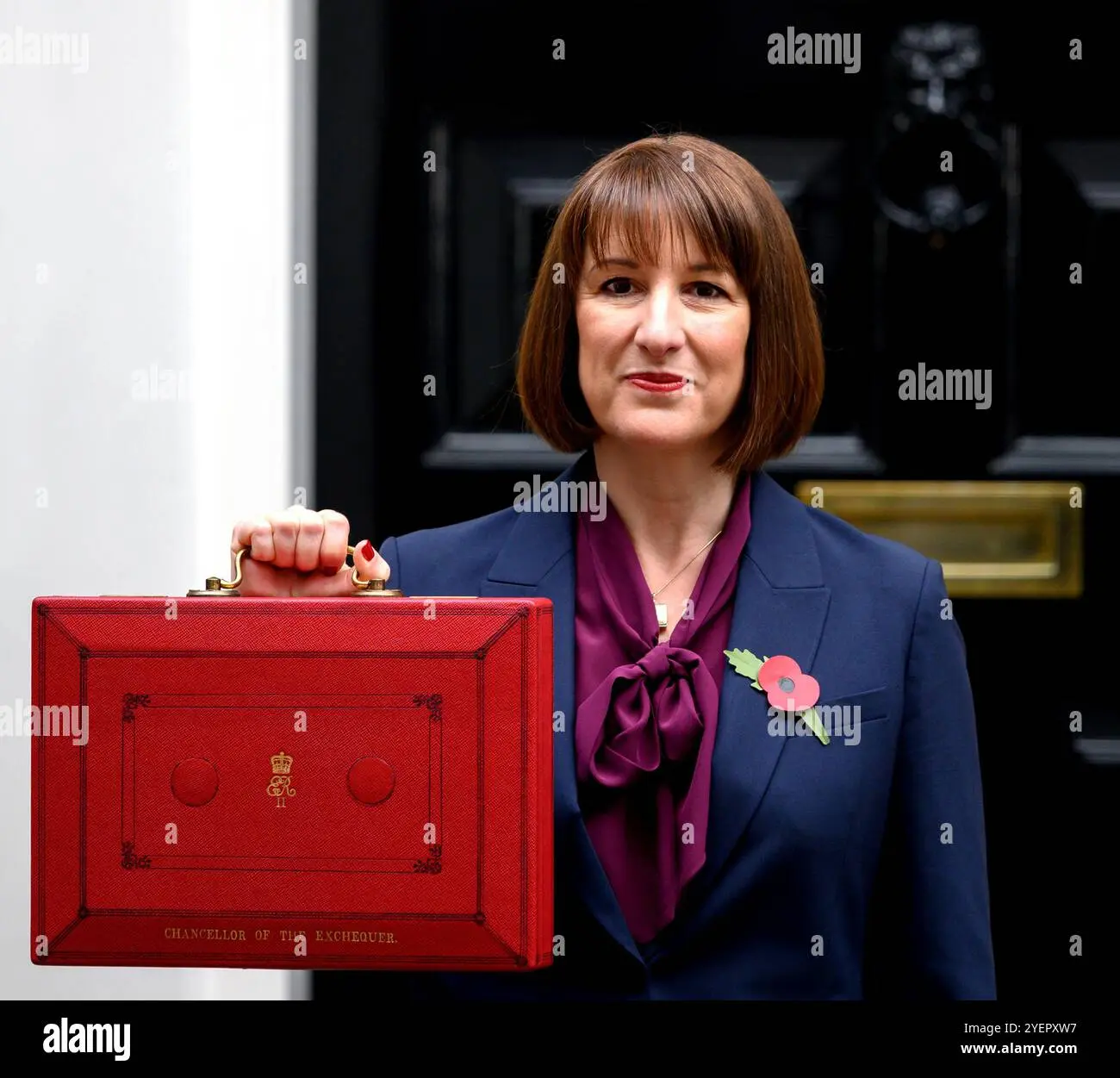
Rachel Reeves, the current Shadow Chancellor of the Exchequer and a prominent member of the Labour Party, has risen rapidly through the ranks of UK politics. Her work has gained significance in the current political landscape, where economic issues are at the forefront of national discussions. Understanding her contributions and vision is crucial, especially as the UK navigates complex economic challenges.
Early Life and Political Career
Born on February 15, 1979, in Leeds, Rachel Reeves was educated at the University of Oxford and later pursued a career in finance and public policy before joining politics. She was elected as the Member of Parliament for Leeds West in 2010, quickly establishing herself as a key figure within the Labour Party. Reeves’ background in economics has propelled her into vital roles, and as Shadow Chancellor, she has been at the forefront of discussions surrounding the UK’s financial recovery post-COVID-19.
Key Policies and Initiatives
Since taking up the role of Shadow Chancellor in 2021, Rachel Reeves has implemented various policies aimed at revitalising the UK economy. Her prominent initiatives include advocating for substantial investments in green technologies, which aligns with Labour’s commitment to tackling climate change. Additionally, she has focused on labour market reforms to ensure that workers are supported and that job opportunities are expanded. Reeves has also been open about her plans to reassess the role of the Bank of England, aiming to address inflation and provide stability in a post-pandemic economy.
Recent Developments
In recent months, Rachel Reeves has gained attention for her clear stance on fiscal responsibility without compromising on social justice. Her speeches and public engagements reflect a growing confidence, resonating particularly with younger voters and those affected by economic hardships. Political analysts suggest that her approach may be pivotal for Labour in the upcoming general elections, as they not only aim to reclaim lost seats but to redefine the party’s economic narrative.
Conclusion
As Rachel Reeves continues to shape her identity in UK politics, her influence is expected to grow. With the backdrop of economic recovery and social accountability, Reeves represents a generational shift in British politics. Voters should pay close attention to her policies and initiatives as the Labour Party seeks to engage with pressing national issues. The coming months will be critical as Reeves crafts a narrative that could redefine Labour’s approach to governance, aiming for a future that balances economic prosperity with social equity.
