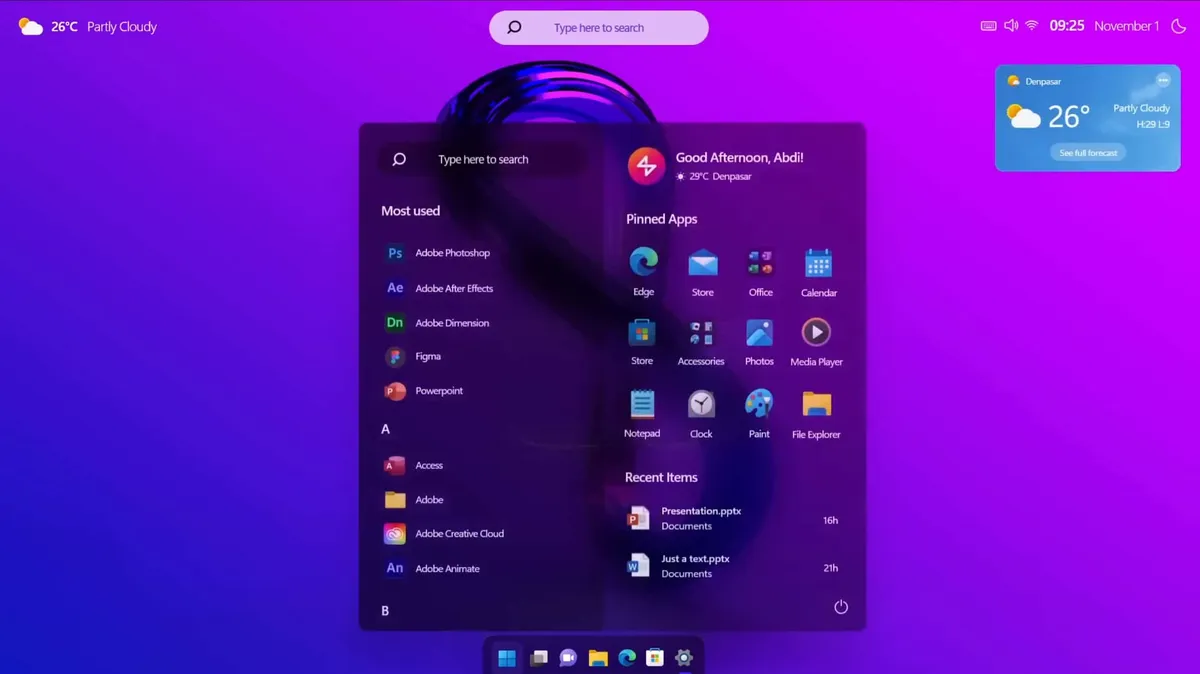
Prior Expectations of Windows 12
For many users, the anticipation surrounding Windows 12 has been fueled by a history of Microsoft’s operating system releases. With Windows 10 set to exit support in 2025, and the introduction of Windows 11 raising the bar with its stringent requirements such as TPM 2.0 and newer CPU specifications, the expectation was that a successor would emerge to continue the evolution of the Windows platform. However, the rumors surrounding Windows 12 have not been substantiated by credible sources, leading to a landscape filled with uncertainty.
What Changed: The Decisive Moment
Recent reports have clarified that the rumors about a 2026 release for Windows 12 are unfounded. Brad Chacos noted that the claims made in the Windows 12 article were not based on original reporting, rendering most of the statements unreliable. This decisive moment has shifted the narrative from one of hopeful anticipation to skepticism, as users begin to question the validity of the information circulating about the next iteration of Windows.
Direct Effects on Users and Microsoft
The immediate effect of these revelations is a growing concern among users about the future of their operating systems. With Windows 10 users experiencing a 12% increase as of February 2026 according to the Steam Hardware Survey, it appears that many are opting to remain with the current version rather than transition to Windows 11, which saw a 10% decrease in users during the same timeframe. This trend may indicate a reluctance to adopt newer systems that have historically been problematic upon release.
Expert Perspectives on the Shift
Experts suggest that Microsoft’s history of releasing operating systems that are not fully ready, coupled with high system resource demands, may drive users towards alternatives like Linux. As desktop Linux reached a record high of 4% globally in 2024, it has become increasingly appealing for budget-conscious users, particularly those with older hardware. The shift towards Linux could be accelerated if Windows 12 continues to be mired in uncertainty.
AI Integration and User Preferences
Another factor influencing user decisions is the integration of AI technologies in Microsoft products. With Microsoft’s Copilot already embedded across Windows 11, Microsoft 365, and Edge, users who prefer an AI-less experience may find themselves at a crossroads. As one source noted, “If you want an AI-less Windows, you’ll be out of luck, and once Microsoft makes that change, there will be no going back.” This sentiment reflects a growing divide among users regarding the direction of Windows operating systems.
Looking Ahead: Uncertainties Remain
As the landscape continues to evolve, uncertainties about Windows 12 persist. The exact release date remains unclear, and the specific features and changes that may accompany this new operating system are still unconfirmed. This lack of clarity leaves users in a state of limbo, weighing their options between sticking with familiar systems or exploring alternatives.
Conclusion: The Path Forward
In light of the current situation, users are left to navigate a complex web of expectations and realities surrounding Windows 12. While the anticipation for new features and improvements is palpable, the ongoing rumors and expert opinions suggest a cautious approach may be warranted. As Microsoft continues to develop its operating systems, the future remains uncertain, but the conversation about user preferences and alternatives like Linux is likely to grow stronger.
