Introduction
Pneumonia, a lung infection that inflames air sacs in one or both lungs, is a significant health concern worldwide. It can be caused by various pathogens, including bacteria, viruses, and fungi. This topic is increasingly relevant, particularly as respiratory illnesses gain attention during the colder months and amidst the ongoing global health challenges. Understanding pneumonia can aid in early detection and improve treatment outcomes, making it essential for individuals and healthcare professionals alike.
Current Situation
According to the World Health Organization (WHO), pneumonia remains one of the leading causes of morbidity and mortality globally, especially among children under five years old and elderly populations. Recent data indicates that worldwide, pneumonia accounts for approximately 14% of all deaths in children under five, contributing to around 808,000 deaths each year. With the rise of antibiotic-resistant bacteria, the management of bacterial pneumonia has become increasingly complex.
Symptoms and Diagnosis
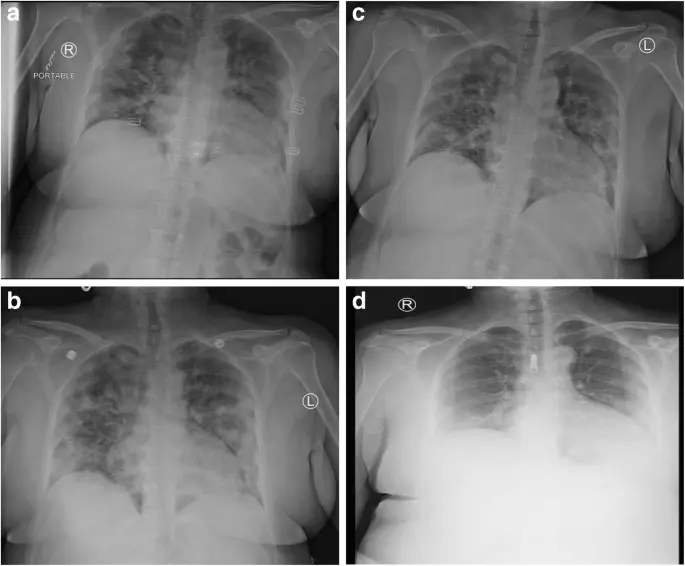
Pneumonia symptoms can vary from mild to severe and may develop gradually or suddenly. Common symptoms include cough, fever, chills, difficulty breathing, and chest pain. In acute cases, individuals may experience confusion or a change in mental awareness. Diagnosis typically involves physical examinations, chest X-rays, and in some cases, blood tests and sputum cultures to identify the underlying cause.
Treatment Options
Treatment for pneumonia depends on its severity and cause. Bacterial pneumonia is usually treated with antibiotics, while viral pneumonia may require antiviral medications or supportive care. Recently, vaccines such as the pneumococcal vaccine have been emphasised as effective prevention methods against certain types of pneumonia. Public health initiatives also focus on vaccination, especially for vulnerable populations, to reduce hospitalisations and fatalities.
Conclusion
In conclusion, pneumonia remains a significant public health threat. Awareness of its symptoms, methods of diagnosis, and treatment options is vital for improving outcomes. As antibiotic resistance continues to evolve, early detection and prevention through vaccination are essential strategies. Stakeholders, including healthcare providers and families, should prioritise pneumonia education to protect vulnerable populations and reduce the incidence of this potentially life-threatening condition. Keeping abreast of pneumonia developments and prevention strategies is crucial for individual and public health.
