Introduction
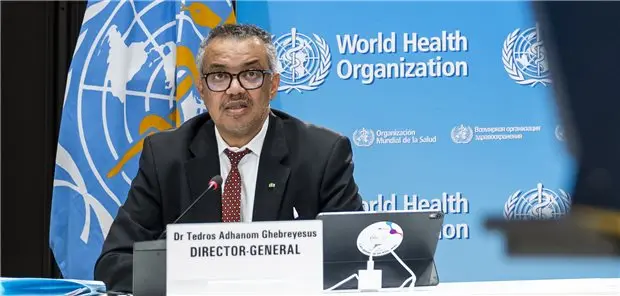
The World Health Organization (WHO) plays a pivotal role in global health, addressing crucial health issues that impact populations around the world. Established in 1948, the organization has been at the forefront of public health initiatives, from battling pandemics to improving health systems. As we navigate the ongoing challenges of the COVID-19 pandemic and other pressing health concerns, understanding the WHO’s work has never been more relevant.
Current Facts and Initiatives
In recent months, the WHO has focused on several key initiatives amid the continuing fight against COVID-19. As of October 2023, the global vaccination drive has administered over 12 billion doses, with the WHO encouraging equitable distribution to low and middle-income countries. This effort is crucial as disparities in vaccine access could prolong the pandemic and lead to more variants.
Moreover, the WHO has been actively involved in monitoring and responding to outbreaks of diseases such as Ebola, and Monkeypox, and has heightened surveillance for any emerging health threats. The organization’s commitment to health equity is apparent in its collaboration with various nations to create effective health policies and ensure everyone, everywhere, has the right to health.
Challenges Ahead
Despite its efforts, the WHO faces significant challenges. The organisation has been under scrutiny for its response to the COVID-19 pandemic and the alleged delays in declaring it a public health emergency. Additionally, misinformation surrounding health guidelines has complicated public responses to health initiatives. Addressing these communication barriers is essential for improving global health responses.
As climate change intensifies, the WHO is also urging countries to recognise its impact on health, advocating for a multi-dimensional approach to tackle health crises exacerbated by environmental factors. This includes the spread of vector-borne diseases and respiratory issues caused by pollution.
Conclusion
The significance of the World Health Organization continues to grow as global health challenges become increasingly complex. Its role in coordinating international health initiatives, providing support to countries, and promoting health equity is fundamental. As we look ahead, it is essential for nations to collaborate with the WHO to build a healthier, more resilient world. The success of these efforts will depend on collective responsibility, transparent communication, and an unwavering commitment to public health.
