Introduction to Phishing
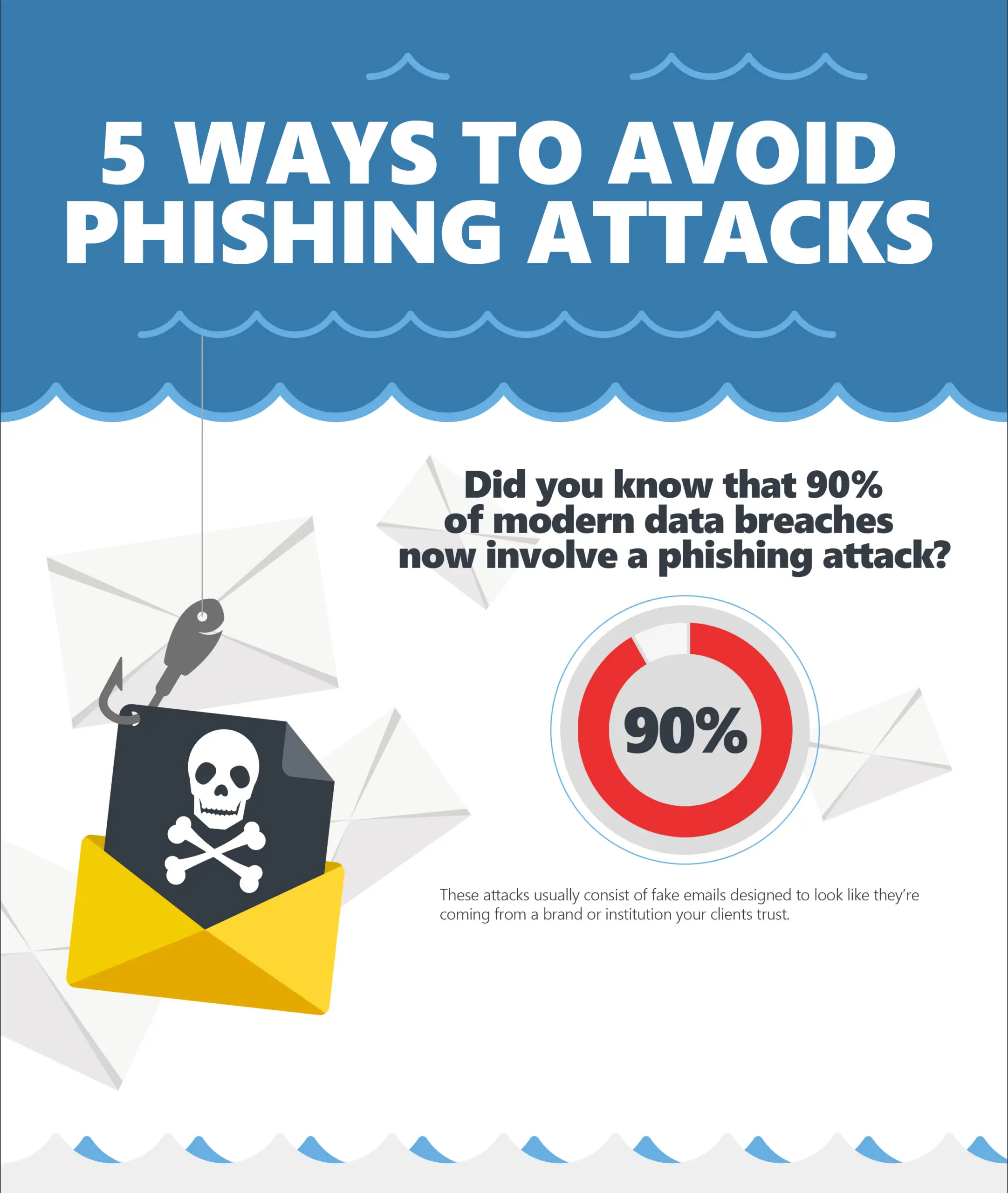
Phishing is a form of cybercrime that involves attackers masquerading as legitimate entities to trick victims into revealing sensitive information. This can include passwords, credit card numbers, or personal details. The relevance of understanding phishing has escalated with the increasing digitisation of our lives and the rise in online scams that exploit unsuspecting individuals and organisations.
The Mechanics of Phishing
Phishing schemes typically come in the form of emails, social media messages, or text messages that appear to be from trustworthy sources. For example, an attacker might send an email that looks like it is from a bank, asking the recipient to verify their account details by clicking on a link. Once the victim enters their information, it is captured by the attacker for malicious use.
Types of Phishing
There are several types of phishing attacks, including:
- Email Phishing: The most common type, involving fraudulent emails.
- SMS Phishing (Smishing): Attacks conducted via text messages.
- Voice Phishing (Vishing): This involves phone calls where attackers impersonate legitimate services.
- Whaling: A targeted attack on high-profile individuals like executives.
- Spear Phishing: Highly targeted phish, aimed at a specific individual or organisation.
Recent Trends and Statistics
According to a report by the Anti-Phishing Working Group (APWG), phishing attacks have risen significantly over the past year, with the group noting a surge of 22% in reported attacks in the first quarter of 2023 alone. Additionally, a recent cybersecurity report stated that nearly 30% of data breaches were linked to phishing, showing the critical need for heightened awareness.
Combatting Phishing
To ensure safety against phishing attacks, individuals should adopt proactive measures, such as:
- Always verifying the sender’s email address before responding to or clicking links.
- Employing comprehensive security software that includes phishing protection.
- Educating oneself and others about recognising the signs of phishing attempts.
- Utilising two-factor authentication wherever possible to add an extra layer of security.
Conclusion
Phishing presents a significant threat to personal and organisational security, making it imperative for individuals to stay informed and vigilant. As cybercriminals continue to refine their tactics, understanding what phishing is and how to identify potential attacks remains crucial in safeguarding sensitive information. By implementing cautious practices and raising awareness, individuals can greatly reduce their risk of falling victim to these deceptive schemes.
