Introduction
Vitamin D is a vital nutrient that plays a crucial role in numerous bodily functions. It is essential for maintaining healthy bones, supporting immune function, and regulating mood. With recent studies highlighting its potential benefits beyond traditional roles, understanding Vitamin D’s importance has never been more relevant, especially as the global population continues to grapple with health issues linked to deficiencies.
The Role of Vitamin D
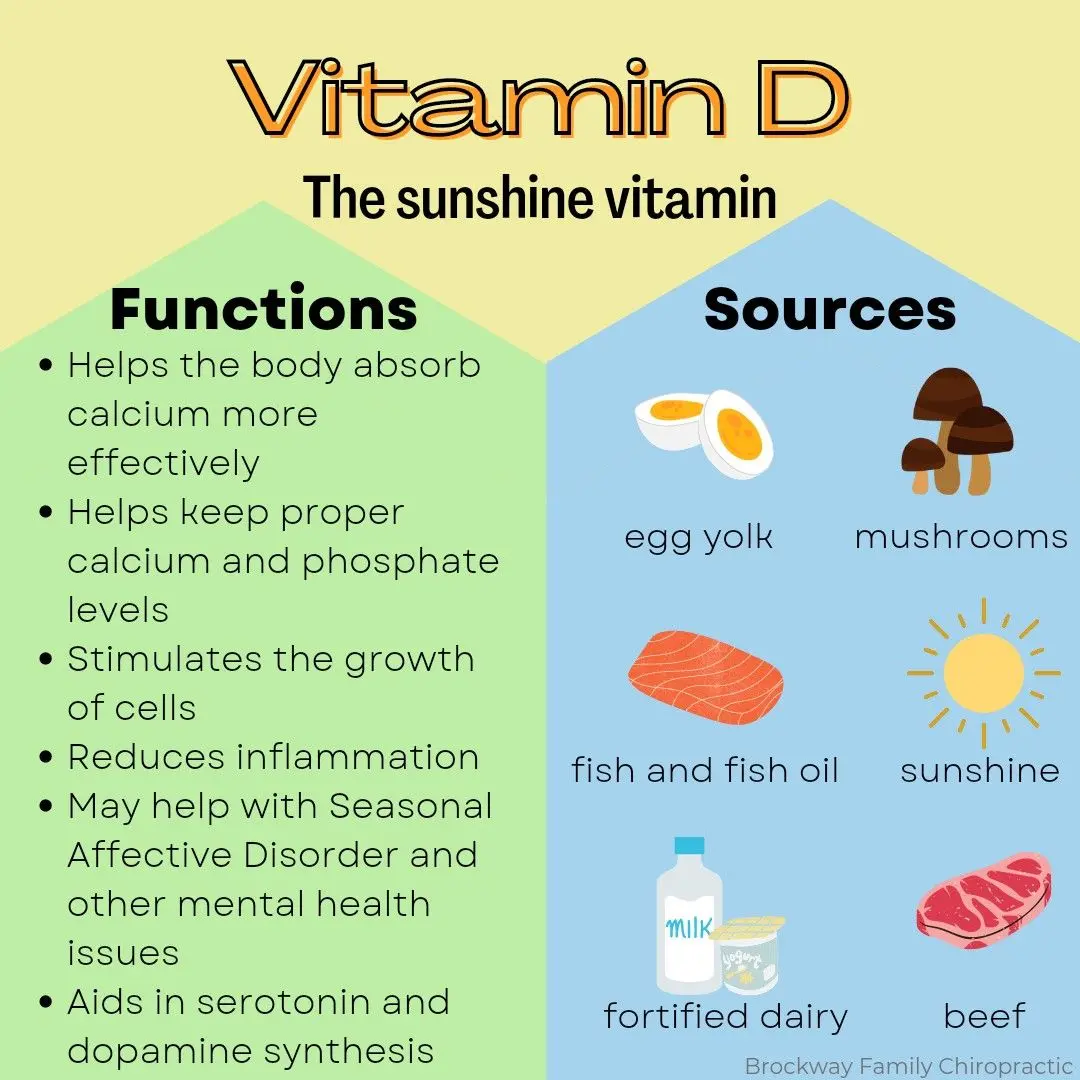
Vitamin D, often referred to as the ‘sunshine vitamin’, is unique because it can be synthesized by the body upon exposure to sunlight. It can also be obtained through dietary sources like fatty fish, fortified dairy products, and supplements. The vitamin aids in the absorption of calcium and phosphorus, critical minerals for bone health. Furthermore, recent research has suggested that Vitamin D might play an influential role in reducing the risk of chronic diseases, including diabetes, cardiovascular diseases, and even certain cancers.
Current Research and Findings
Current studies continue to affirm the importance of maintaining adequate Vitamin D levels, especially in populations with limited sun exposure. A 2023 study published in the ‘Journal of Clinical Endocrinology & Metabolism’ examined over 10,000 adults and found a significant correlation between low Vitamin D levels and an increased risk of respiratory infections. This finding becomes particularly pertinent in light of the ongoing global health challenges posed by respiratory illnesses. Moreover, researchers suggest that adequate Vitamin D may improve overall wellness and mitigate symptoms of depression, highlighting its role in mental health.
Deficiency and its Impact
Despite its benefits, Vitamin D deficiency remains a widespread issue. According to a report from Public Health England, around one in five adults and one in six children in the UK have low levels of Vitamin D, particularly during the winter months. Symptoms of deficiency can include fatigue, weakened immune response, and increased susceptibility to illness. Increased awareness around the importance of sun exposure and dietary intake is essential to address this public health concern.
Conclusion
In summary, Vitamin D’s multifaceted role in promoting health cannot be overstated. As research continues to unveil its extensive benefits, individuals must prioritise maintaining adequate levels through sensible sun exposure, dietary choices, and supplementation when necessary. Being proactive about Vitamin D can lead to improved health outcomes and a decreased risk of chronic diseases, ultimately enhancing quality of life for many.
