Introduction: The Growing Concern
Wet wipes have become a convenient staple in many households, used for everything from personal hygiene to cleaning surfaces. However, recent warnings from environmentalists and government agencies have brought the negative impact of these products to the forefront. As disposable products, many wet wipes contain plastic particles that contribute significantly to pollution, clogging waterways and harming marine life.
The Environmental Impact of Wet Wipes
Studies suggest that millions of wet wipes are used every day worldwide, and a large proportion of these end up in landfill or in the water system. According to a report from the UK’s Environment Agency, wet wipes account for a staggering 93% of the items found in sewer blockages. This material is not biodegradable and can take decades to decompose in landfills, leading to dire consequences for the environment.
In 2021, the UK government appointed a dedicated task force to tackle plastic pollution, specifically addressing the widespread issue caused by wet wipes. This initiative resulted in educational campaigns aimed at informing the public about proper disposal methods. Many companies have also begun reformulating their products to be biodegradable or compostable, as consumer awareness grows.
The Call for Action
Environmental groups are pushing for stricter regulations on the manufacturing of wet wipes, including clear labeling about disposal methods and the materials used. In a recent statement, the Marine Conservation Society urged manufacturers to eliminate plastic from their products entirely. They emphasise monitoring the effects of wasteful packaging and irresponsible practices on marine ecosystems.
What Can Consumers Do?
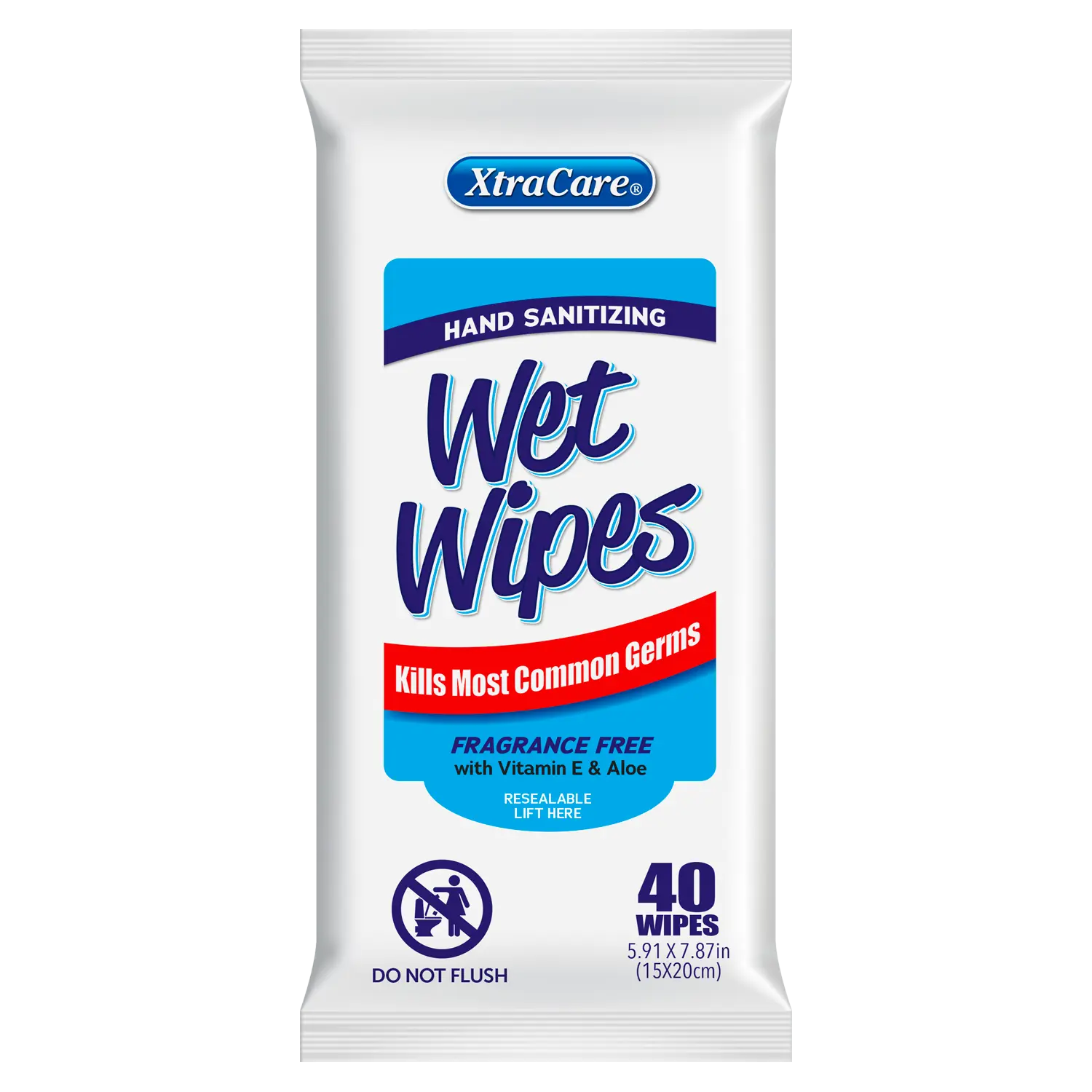
Consumers are urged to practice due diligence when purchasing wet wipes. Opting for brands that offer biodegradable options can help mitigate environmental damage. Additionally, it is essential to dispose of these products correctly; instead of flushing them, disposable wipes should be placed in the bin. Education on the issue can empower the public to make better choices, advocating for products that are eco-friendly.
Conclusion: A Collective Responsibility
The warnings surrounding wet wipes serve as a crucial reminder of the impact that seemingly harmless products can have on the environment. By understanding the issues associated with their usage, consumers can actively contribute to reducing waste and advocating for sustainable alternatives. As more people learn about the environmental stakes, the hope is that meaningful change will occur within the industry, benefiting both the planet and future generations.
