Introduction
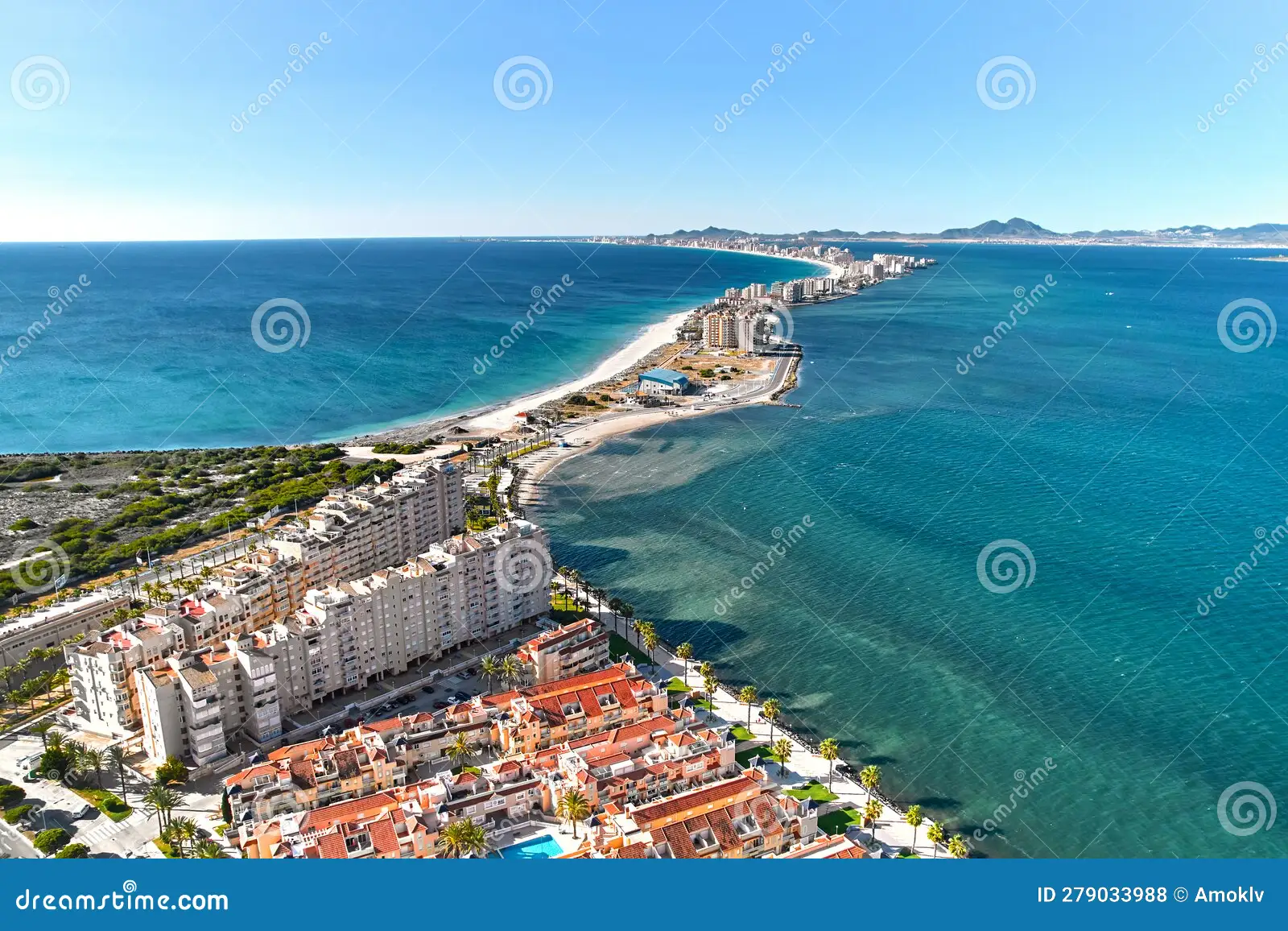
Mar Menor, a unique coastal lagoon located in southeastern Spain, is facing critical ecological challenges that affect both its environment and local economy. Being one of the largest saltwater lagoons in Europe, Mar Menor has always attracted tourists and researchers alike due to its rich biodiversity and distinctive ecosystem. However, rising pollution levels, habitat degradation, and climate change have raised concerns that threaten its ecological balance.
Current Environmental Issues
In recent years, Mar Menor has suffered significant ecological issues primarily attributed to agricultural runoff, urban development, and tourism pressures. The introduction of nutrients such as nitrogen and phosphorus from nearby agricultural activities has led to severe eutrophication, causing algal blooms that deplete oxygen levels and harm underwater life. This, in turn, has affected fishing industries and devastated local marine species populations, prompting urgent calls for intervention.
Furthermore, weather patterns have become increasingly erratic due to climate change, leading to intensified flooding and drought conditions in the region. The Joint Research Centre of the European Commission reported that without significant measures, underwater ecosystems in Mar Menor could collapse within the next decade.
Recent Initiatives and Responses
Various stakeholders, including local governments, environmental groups, and the European Union, have taken steps to address these issues. Initiatives such as the Mar Menor Recovery Plan have been implemented, focusing on restoring biodiversity and reducing nutrient inflow. Additionally, public awareness campaigns are aimed at promoting sustainable tourism and responsible agricultural practices among locals and tourists alike.
Conclusion
The future of Mar Menor remains uncertain, hinging on the effectiveness of current initiatives and the commitment of stakeholders to protect this vital ecosystem. Continued monitoring and collaborative efforts are essential to safeguard not only Mar Menor but also the livelihoods dependent on its health. As the climate continues to change, understanding and mitigating the impact on this lagoon will be crucial for ensuring its longevity and ecological integrity for future generations.
