Introduction
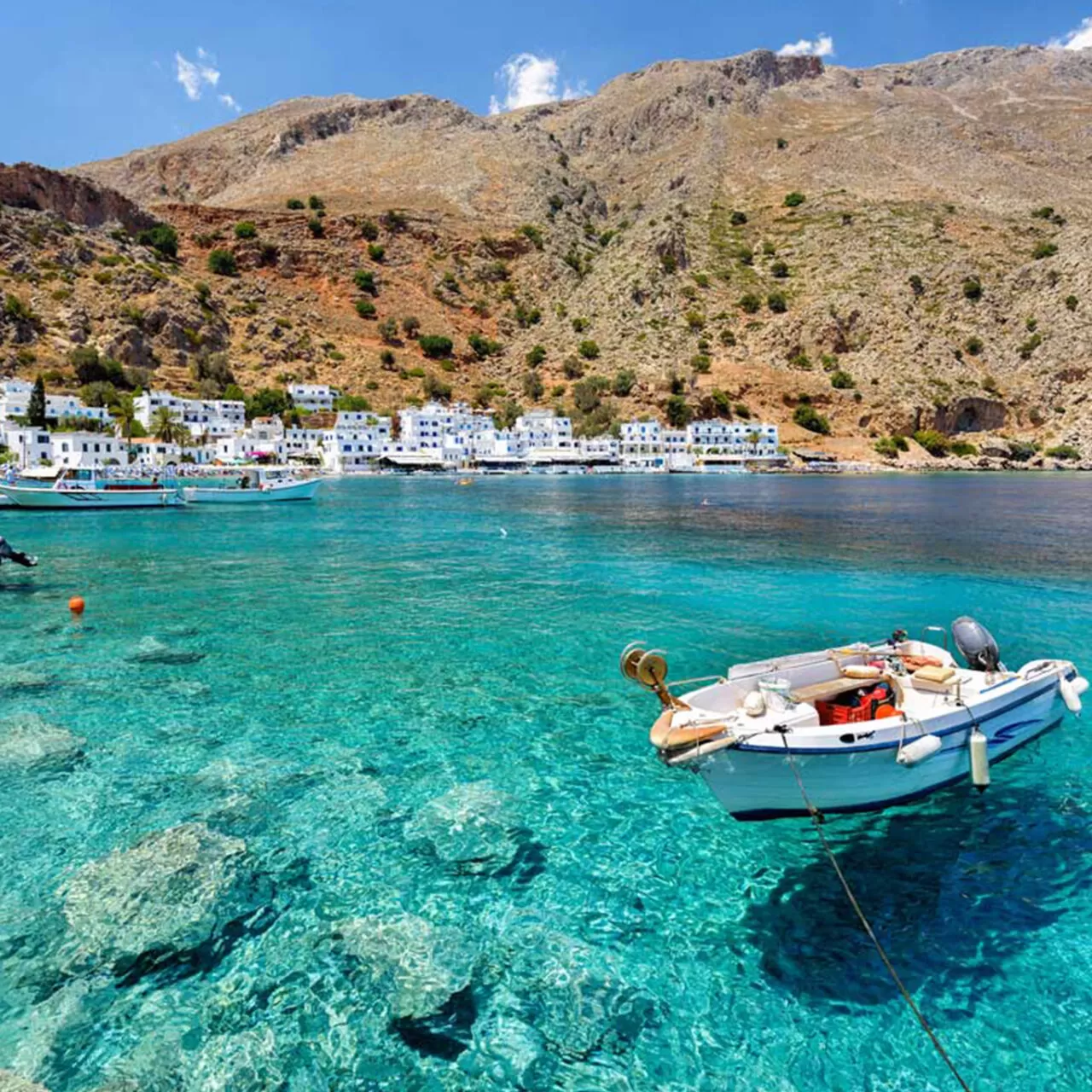
Crete, the largest island in Greece, is a place of extraordinary beauty, rich history, and vibrant culture. Known for its stunning landscapes, crystal-clear waters, and ancient ruins, Crete attracts millions of visitors each year. Its significance in both historical and modern contexts makes it a focal point for tourism and research alike.
Cultural and Historical Significance
Crete has been inhabited for thousands of years, serving as the cradle of the Minoan civilisation, which flourished from approximately 2700 to 1450 BC. The archaeological site of Knossos is perhaps the most famous testament to this era, featuring intricate frescoes and advanced architectural designs. Recent studies continue to reveal more about Minoan culture, highlighting its notable advancements in art, trade, and society.
Recent Developments
In recent years, Crete has been at the forefront of sustainable tourism initiatives aimed at preserving its natural and cultural resources while accommodating the growing influx of tourists. The local government has implemented measures to manage visitor traffic, especially in popular areas such as Elafonissi Beach and the Samaria Gorge, which have seen increased environmental pressures. Furthermore, the island is expanding its eco-friendly accommodations and promoting local products to enhance the visitor experience.
Tourism and Attractions
Crete is home to a wealth of attractions that draw tourists from around the globe. Beyond its beautiful beaches, the island hosts numerous hiking trails, such as the famous Samaria Gorge, which offers breathtaking views and unique flora and fauna. Furthermore, the vibrant cities of Chania and Heraklion are rich in history, culture, and gastronomy. Local festivals, like Rethymno’s Renaissance Festival, showcase traditional music, dance, and food, making it a perfect time for visitors to immerse themselves in Cretan culture.
Conclusion
As a significant historical hub and a leading tourist destination, Crete offers both residents and visitors a unique blend of ancient and modern experiences. The island’s commitment to sustainable tourism not only preserves its beauty for future generations but also ensures that its rich cultural heritage remains a central part of its identity. Looking ahead, Crete is poised to maintain its status as a vital part of Greece’s allure, appealing to those seeking adventure, history, and tranquillity.
