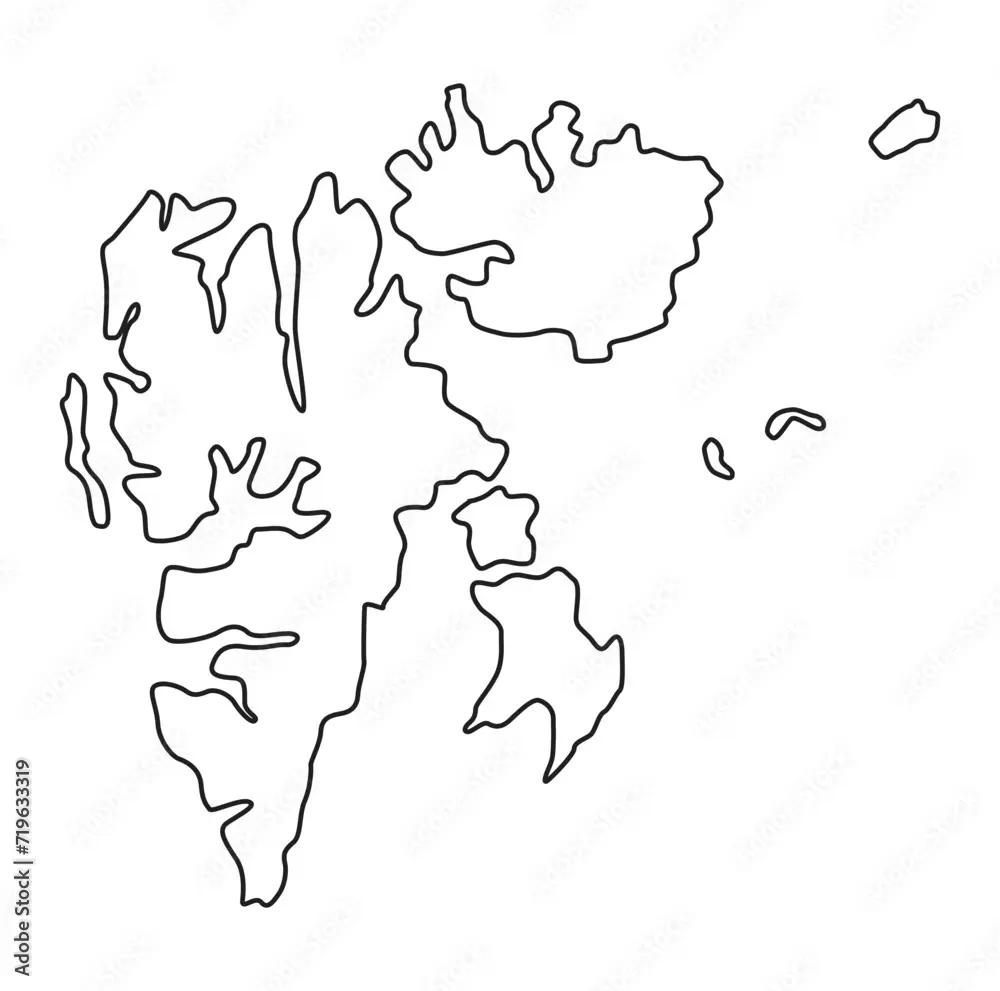
Introduction to Svalbard
Svalbard, located between mainland Norway and the North Pole, is an Arctic archipelago that has garnered attention for its stunning landscapes, unique wildlife, and significance in the context of climate change and global governance. Its importance is amplified by its role as a barometer for environmental shifts and a hotspot for polar research, making it a focal point for scientists and eco-tourists alike.
Geography and Climate
The archipelago is composed of several islands, the largest of which is Spitsbergen. Svalbard is characterised by dramatic fjords, towering mountains, and vast glaciers. The region experiences a polar climate, with long polar nights and midnight sun during summer months. Recent years have seen an alarming rate of glacial melting, a direct consequence of rising global temperatures, further underscoring Svalbard’s relevance in climate discussions.
Wildlife and Conservation
Svalbard is home to diverse wildlife, including polar bears, reindeer, and walruses, attracting nature enthusiasts and researchers. The Svalbard Global Seed Vault, known as the ‘Doomsday Vault,’ safeguards seeds from around the world, highlighting the archipelago’s critical role in global biodiversity conservation. Efforts are ongoing to balance such conservation activities with the growing impacts of tourism and climate change.
Human Activity and Research
Despite its remote location, Svalbard has a small resident population engaged primarily in research, tourism, and coal mining. The Longyearbyen town serves as the administrative centre, hosting numerous scientific research stations. In recent years, interest in renewable energy and sustainable tourism has increased, prompting discussions about Svalbard’s future and the trajectory of its development.
Conclusion
As the impacts of climate change become more apparent, Svalbard serves as a critical location for study and observation. The balance between preserving its unique environment and fostering economic development will be essential for the archipelago’s future. For readers, whether it’s through travel, research, or conservation efforts, Svalbard presents an opportunity to witness the raw beauty of nature while contributing to crucial global conversations on sustainability and environmental protection.
