Introduction
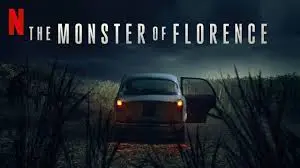
True crime dramas have captivated audiences for decades, but few stories are as chilling and perplexing as that of The Monster of Florence. The recently released Netflix series, which delves into the horrifying real-life murders that took place in Florence, Italy, during the late 1960s and early 1980s, has ignited discussions around the nature of evil, the failures of law enforcement, and the impact of media representation. With high production values and an intricate narrative, this series offers both entertainment and a thought-provoking examination of societal issues.
The Real-Life Murders
The series is based on a series of seven murders connected to the infamous Monster of Florence, a serial killer who targeted young couples in secluded spots in the Tuscan countryside. The first murders occurred in 1968 and continued sporadically until 1985, leaving the local community in terror. Law enforcement’s struggle to capture the perpetrator was compounded by numerous missteps, leading to a multitude of theories and suspects, including a famous artist and members of the Italian establishment.
The Netflix Adaptation
The Monster of Florence on Netflix aims to weave together the historical context with the emotional toll taken on the victims’ families, as well as the detectives and journalists obsessively involved in the case. The series offers a deep dive into the forensic investigations, the media frenzy surrounding the case, and the public’s fascination with serial killers. Actors delving into the roles bring the haunting atmosphere to life, giving viewers a visceral feel of the fear and urgency felt during that time.
Public Reception and Discussion
Since its release, the series has garnered mixed reviews. Some viewers commend the storytelling and the production quality, while others criticize it for sensationalising a tragic narrative. Nevertheless, The Monster of Florence has generated meaningful conversations regarding crime, morality, and the interpretation of justice in popular culture. The way it depicts the consequences on innocent lives and the ripple effects of crime resonates profoundly with audiences, evoking empathy and moral questioning.
Conclusion
In a crowded field of true crime content, The Monster of Florence on Netflix stands out not only for its engaging storytelling but for its potential to evoke discussions about the deeper societal implications of crime and the media’s role in shaping public perception. As audiences are increasingly drawn to narratives that examine human behaviour and societal flaws, this series provides a timely reflection on our fascination with the macabre. As the series gains more viewers, it is likely to encourage further exploration into the historical events it dramatizes, reinforcing the significance of accurately portraying the past as well as understanding our collective fears. Overall, The Monster of Florence promises to be a profound viewing experience that captivates and educates.
