Introduction
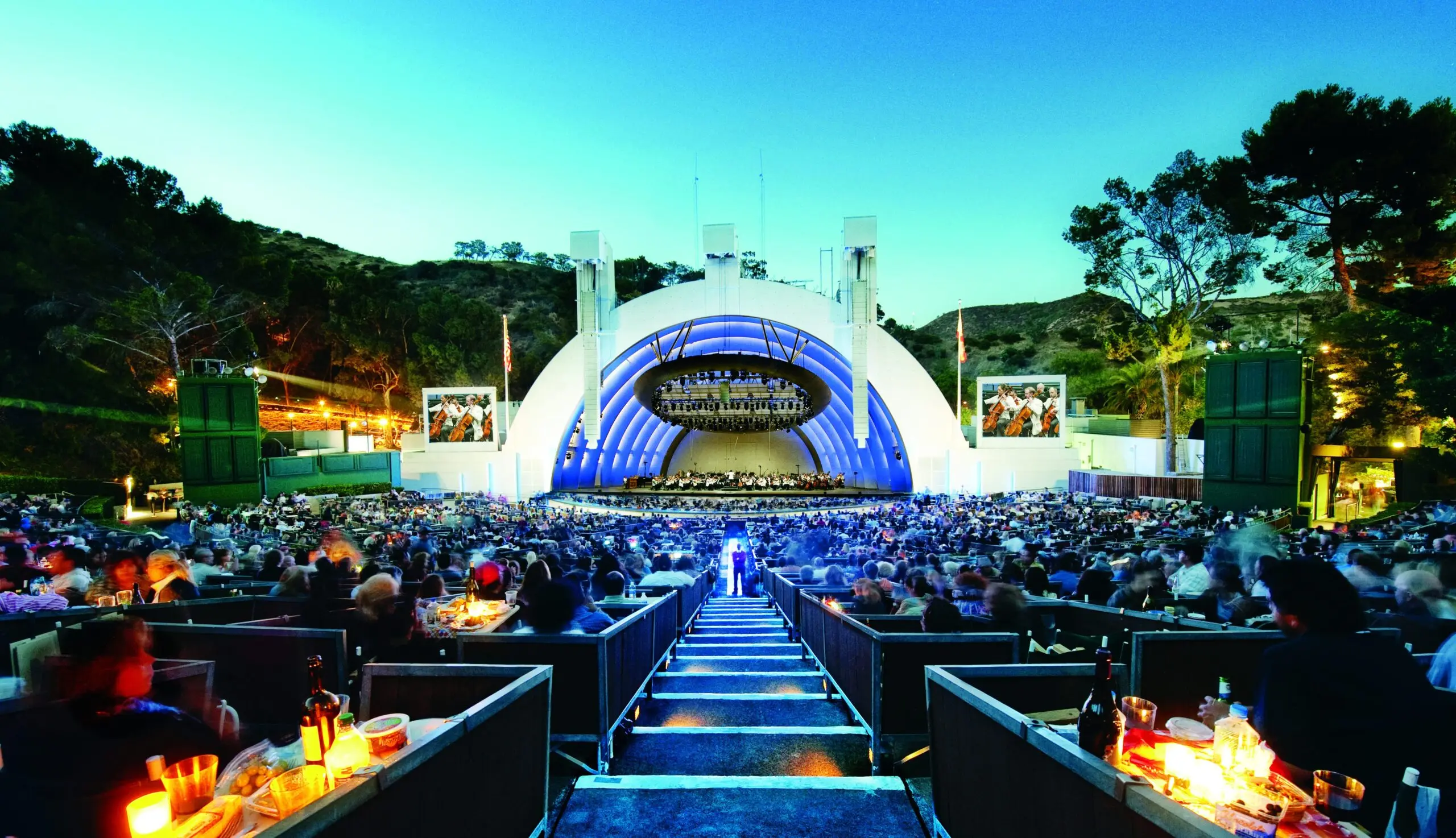
The Hollywood Bowl, located in Los Angeles, California, stands as one of the most iconic amphitheaters in the world, renowned for its acoustics and picturesque setting. Opened in 1922, this famed venue has hosted a plethora of legendary artists, orchestras, and theatrical performances, solidifying its status as a cultural landmark. As the entertainment industry pivots towards outdoor experiences post-pandemic, the relevance of Hollywood Bowl grows even more significant, appealing to diverse audiences seeking live music and events.
Events and Performances
Throughout its history, the Hollywood Bowl has welcomed an impressive range of performances from artists across various genres. In recent months, it has played host to top-tier concerts featuring major artists such as Billie Eilish, Coldplay, and the Los Angeles Philharmonic. The venue boasts a seating capacity of nearly 18,000, allowing for grand productions that resonate with audiences both visually and aurally. This summer, a series of celebrated events, including the annual Hollywood Bowl Concerts, delighted fans and reinforced the Bowl’s reputation as an essential summer destination.
Current Developments
This year, the Hollywood Bowl has also embraced the need for innovation to meet changing consumer expectations. As part of its commitment to sustainability, the venue has implemented eco-friendly practices, such as reduced plastic usage and improved recycling systems. Moreover, tickets for shows are now increasingly available through digital platforms, reflecting a shift towards more convenient ticket purchasing options. These adaptations signify the Bowl’s dedication to not only providing exceptional entertainment but also fostering responsible event management.
Future Prospects
As we look ahead, the future of the Hollywood Bowl appears promising. With an expanding lineup of international and local artists and a continued emphasis on environmental stewardship, the venue is poised to remain a pivotal player in the music scene. Experts predict a strong resurgence in attendance post-pandemic, contributing significantly to Los Angeles’ broader economic recovery through tourism and local business support.
Conclusion
The Hollywood Bowl remains a vital component of the cultural fabric of Los Angeles and the greater entertainment industry. As it continues to evolve and adapt to the needs of modern audiences, its legacy as a world-class venue for live music and performance art is firmly intact. For readers and music enthusiasts, keeping an eye on the Bowl’s upcoming events and initiatives will provide insight into the vibrant world of live entertainment.
