Introduction
The US government shutdown, a recurring event that emerges when Congress fails to pass necessary funding bills, has significant implications for millions of Americans. This phenomenon not only disrupts the daily operations of federal agencies but also impacts employees, contractors, and citizens who rely on government services. Understanding the causes and effects of government shutdowns is essential for comprehending the broader political landscape and its influence on public policy.
Recent Developments
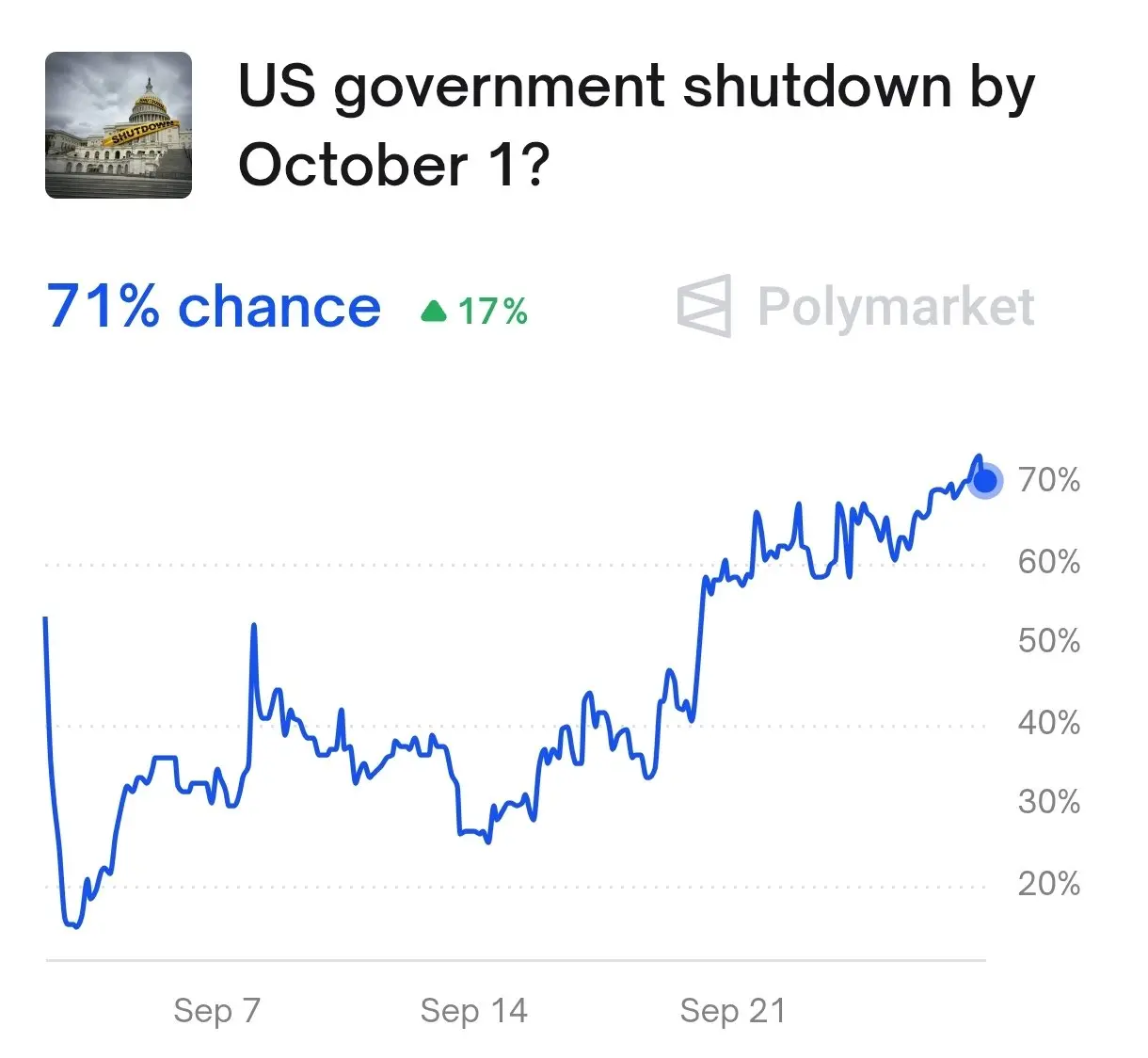
In late September 2023, the threat of a government shutdown loomed large as lawmakers wrestled with negotiations over budget allocations. Tensions escalated within Congress, particularly between House Republicans and Senate Democrats, as disagreements over spending limits and priorities became evident. The potential shutdown stemmed from disagreements about fiscal responsibility and appropriation levels, with some factions demanding stricter spending cuts while others advocated maintaining funding for social services and public welfare.
If these contentious budget talks failed to reach a resolution, the federal government was poised to experience significant disruptions. Already, agencies were preparing for temporary furloughs for non-essential personnel, while public services such as national parks and certain health services faced potential closures. Economists projected that a prolonged shutdown could cost the economy billions, further exacerbating existing financial challenges for many citizens.
Implications of a Government Shutdown
Historically, government shutdowns have led to a variety of adverse effects. For federal employees—numbering over two million—shutdowns typically result in unpaid leave, leading to financial uncertainty for households across the nation. Additionally, federal contractors may face delays in work and payments, creating a ripple effect that touches other sectors of the economy.
Furthermore, the shutdown can halt crucial government services. For example, the processing of loan applications, tax refunds, and housing regulation enforcement may be significantly interrupted. These pauses can disrupt individual lives and contribute to larger-scale economic issues, as government services are often intertwined with daily functioning in various sectors.
Conclusion
The possibility of a US government shutdown persists as political negotiations continue. The implications of such an event are extensive, affecting every American citizen, from federal employees facing layoffs to the general public experiencing service interruptions. As Congress navigates complexities surrounding fiscal policy, understanding the impacts of government shutdowns remains critical. Continued advocacy for bipartisan solutions may prove essential in preventing future shutdowns, ensuring that essential government services remain intact for the populace.
