“Milking their ‘Duke and Duchess’ titles for all their worth, the Montecito grifters have just completed a Down Under ‘royal tour’ by any other name,” remarked Jane Moore, reflecting on the ongoing dynamics within the British Royal Family. The comment underscores a growing narrative around modern royals and their perceived roles.
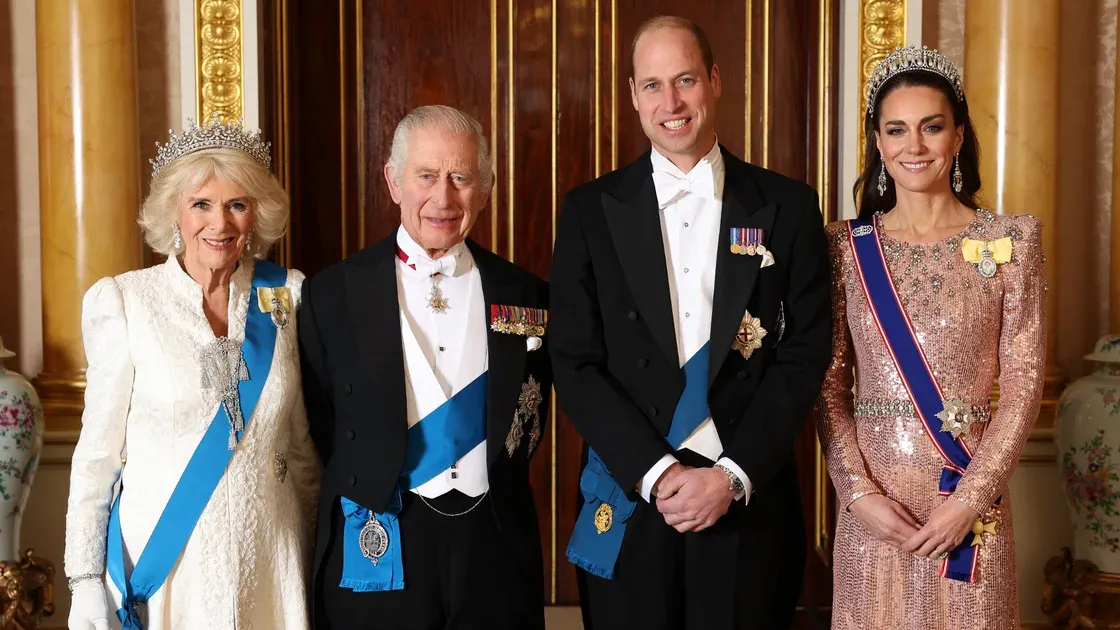
On April 21, 2026, the British Royal Family convened at Buckingham Palace to commemorate what would have been Queen Elizabeth II’s 100th birthday. This occasion was not merely a celebration of a milestone but also a poignant reminder of the changing landscape of royal duties and public perception. King Charles III, the current reigning monarch, stood at the center of this gathering, embodying both tradition and change.
That context matters because it highlights how each member of the royal family has navigated their responsibilities. For instance, Princess Anne has been recognized as the hardest working royal, attending an impressive 457 engagements in 2024 alone. Meanwhile, Prince William and Princess Catherine have embraced their roles since their marriage in 2011, actively engaging with various charitable causes. Yet, not everyone in the family remains in favor; Prince Harry and Meghan Markle stepped back from royal duties in 2020, stirring significant public discourse about royal expectations.
In contrast, Queen Camilla has been a working royal since her marriage to King Charles in 2005. Her role has evolved alongside her husband’s ascension to the throne. As she stated recently through Buckingham Palace: “The visit will be an opportunity to recognize the shared history of our two nations; the breadth of economic, security, and cultural relationships that have developed since then.” This statement reflects not just her commitment but also a broader strategy to reinforce ties with Commonwealth nations.
But what does this mean for those who are no longer working royals? The mention of Prince Harry and Meghan brings forth questions about belonging and identity within this storied institution. “Remember when our late Queen — who would have been 100 this week — told Harry and Meghan that they couldn’t be ‘half-in, half-out’ members of the Royal Family?” Moore’s words echo a sentiment felt by many regarding loyalty and duty.
The family dynamic is further complicated by generational shifts. Prince Edward, Duke of Kent, recently turned 90; he is currently the oldest working royal. His longevity in service contrasts sharply with younger members like Princess Beatrice and Eugenie who are still carving out their paths within or outside royal duties. Each decision they make influences public perception — are they fulfilling traditional roles or redefining them?
As the family continues to evolve amidst public scrutiny and personal choices, one thing remains clear: their actions resonate beyond palace walls. Whether it’s through charity work or public appearances, each member contributes to an ongoing narrative that shapes how we view monarchy today.
Looking ahead, the next expected developments will likely include increased discussions around royal responsibilities in a modern context. How will this family adapt? Will they embrace more transparency? Only time will tell as they navigate these complex waters while honoring legacies like that of Queen Elizabeth II.
