The Importance of Time Change in the UK
Every year, the United Kingdom follows a biannual ritual of changing its clocks, a practice rooted in historical traditions and modern-day practicality. The upcoming time change this October signifies the end of British Summer Time (BST) and the return to Greenwich Mean Time (GMT), which has significant implications for both daily life and national routines.
When Does the Time Change Occur?
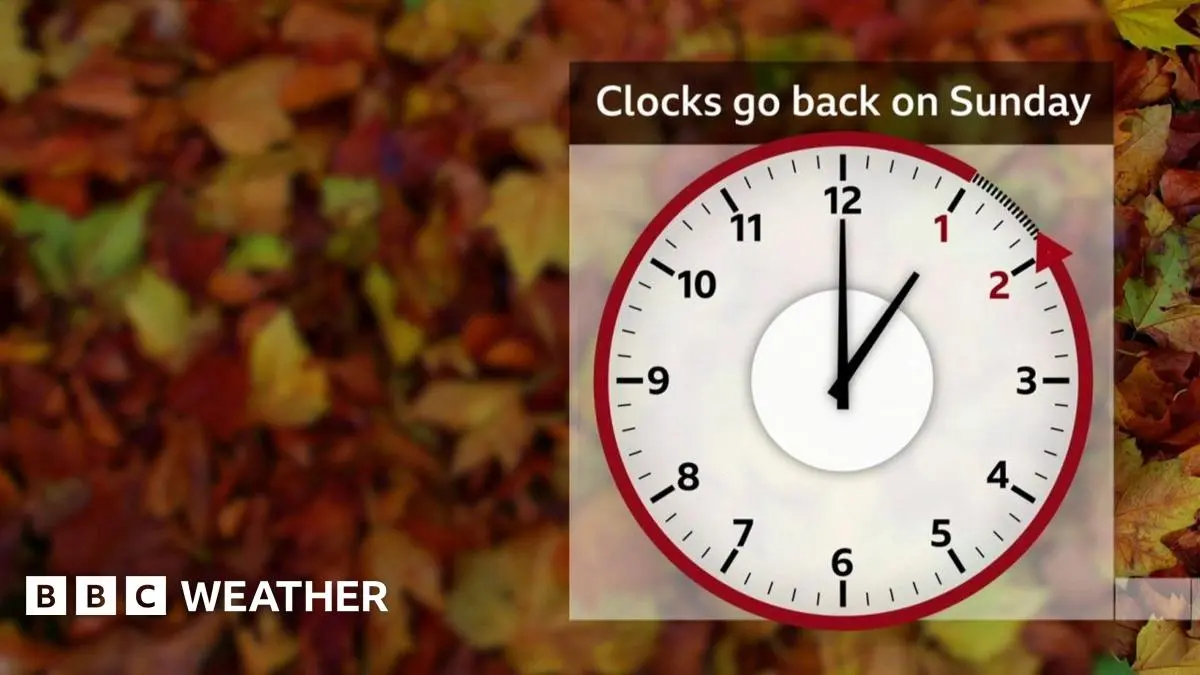
This year, the clocks in the UK will fall back one hour at 2:00 AM on Sunday, October 29. At that precise moment, the time will revert to 1:00 AM, marking the official transition to GMT, which will remain in effect until the last Sunday in March 2024. This twice-yearly adjustment has been a fixture of the UK calendar since 1916, designed originally to conserve energy during World War I by extending daylight hours.
Effects of the Time Change
As the clocks fall back, the UK will enjoy longer mornings but shorter evenings. This shift can impact various aspects of life, from commute times to leisure activities. In particular, the evening darkness can influence outdoor events, driving patterns, and even mood for many individuals as daylight hours decrease. According to research, the change can also lead to a temporary spike in road accidents immediately following the adjustment, as drivers adapt to altered visibility conditions.
Health and Wellbeing Considerations
Health experts often advise that the time change can disrupt sleep patterns and circadian rhythms. Many individuals struggle with the sudden shift in daylight exposure, which can lead to issues like Seasonal Affective Disorder (SAD) in the months to come. To mitigate these effects, it is recommended that people adjust their sleeping schedules gradually in the lead-up to the clock change and ensure they receive adequate exposure to natural light.
The Future of Time Change in the UK
With ongoing discussions in the UK and across Europe about the potential abolition of daylight saving time, the future of the time change remains uncertain. Advocates for ending the time shift argue for a more consistent time experience throughout the year, while opponents warn of the long-term effects of extended darkness during winter months. As this debate continues, the implications of the time change remain significant for communities and individuals across the country.
Conclusion
As the UK prepares for the upcoming time change, it is important for citizens to understand its implications on their daily lives. From health considerations to potential changes in legislative frameworks, being aware of the time adjustments can help individuals better navigate this twice-annual event.
