Introduction
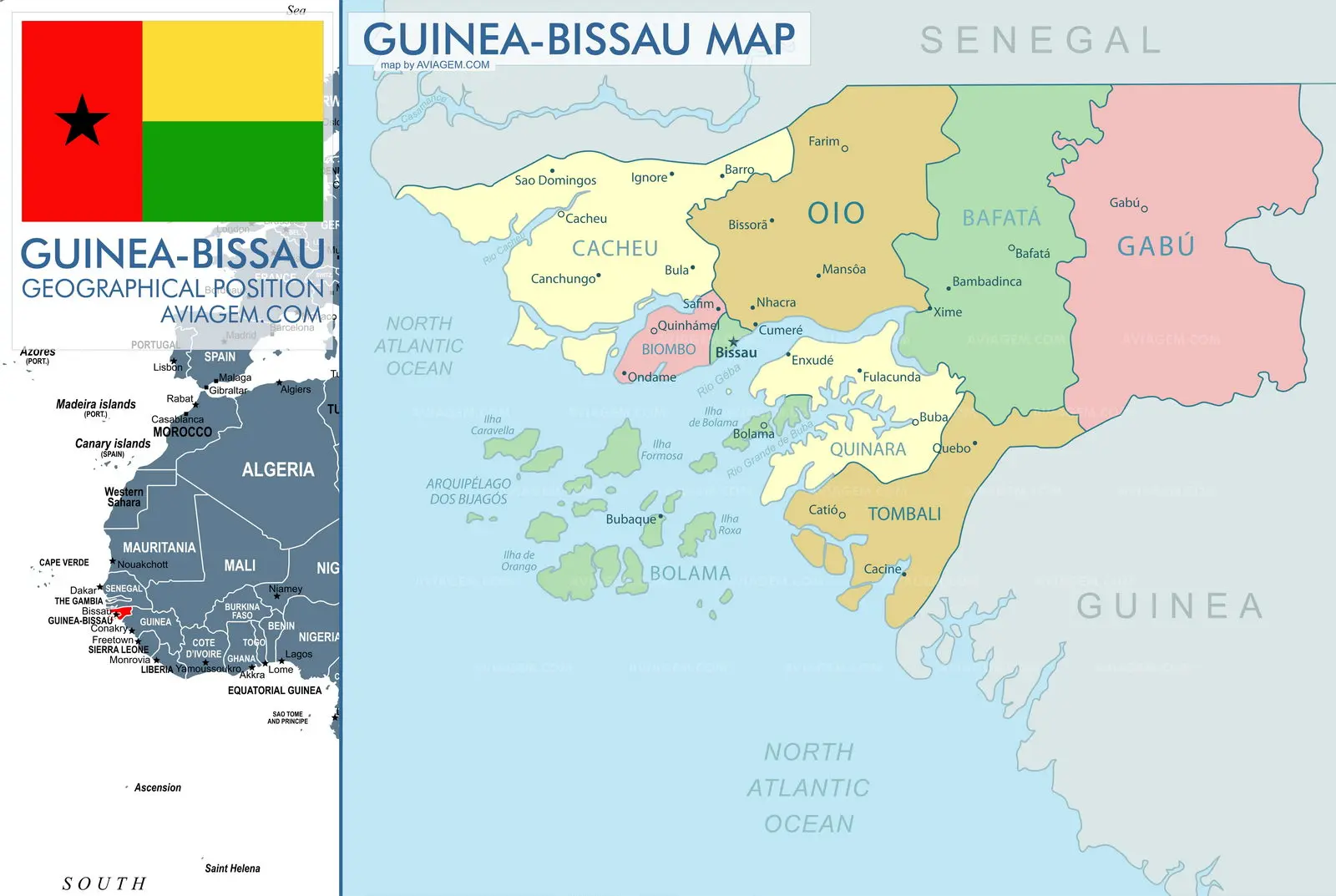
Guinea-Bissau, a small West African nation known for its rich biodiversity and vibrant cultures, has recently been in the news due to a variety of political and economic developments. These events are critical not only for the citizens of Guinea-Bissau but also for the broader West African region, especially considering its history of political instability and ongoing challenges in governance and development.
Political Landscape
In recent months, Guinea-Bissau has experienced significant political tensions, marked by disputes among the ruling party and opposition groups. Following the controversial legislative elections held in 2023, accusations of electoral fraud have surfaced, leading to protests across major cities. The Economic Community of West African States (ECOWAS) has called for dialogue to resolve the impasse, emphasising the importance of stability for the region’s safety and economic progress.
Economic Challenges
The country’s economic landscape remains challenging, with the International Monetary Fund (IMF) projecting slow growth amid rising inflation and a dependence on cashew exports. The agricultural sector, particularly cashew nut production, remains the backbone of the economy; however, farmers are facing difficulties related to climate change and inadequate infrastructure. Government efforts to diversify the economy and improve agricultural practices are paramount in ensuring long-term sustainability.
Social Issues
Socio-economic indicators in Guinea-Bissau continue to reflect deep-rooted challenges, such as high poverty rates and limited access to healthcare and education. Recent reports from NGOs highlight a growing concern over child malnutrition and inadequate health services, which have been compounded by the COVID-19 pandemic. International aid organisations are working to address these pressing issues, but more needs to be done to create systemic changes.
Conclusion
As Guinea-Bissau navigates its political and economic hurdles, the need for unity and dialogue among its leaders is more critical than ever. The path ahead requires concerted efforts from both the local government and international partners to foster stability and improve living conditions for the population. With strategic investments in education, health, and infrastructure, there remains hope for a brighter future for Guinea-Bissau, though cautious optimism is warranted given its historical context of instability.
