Introduction
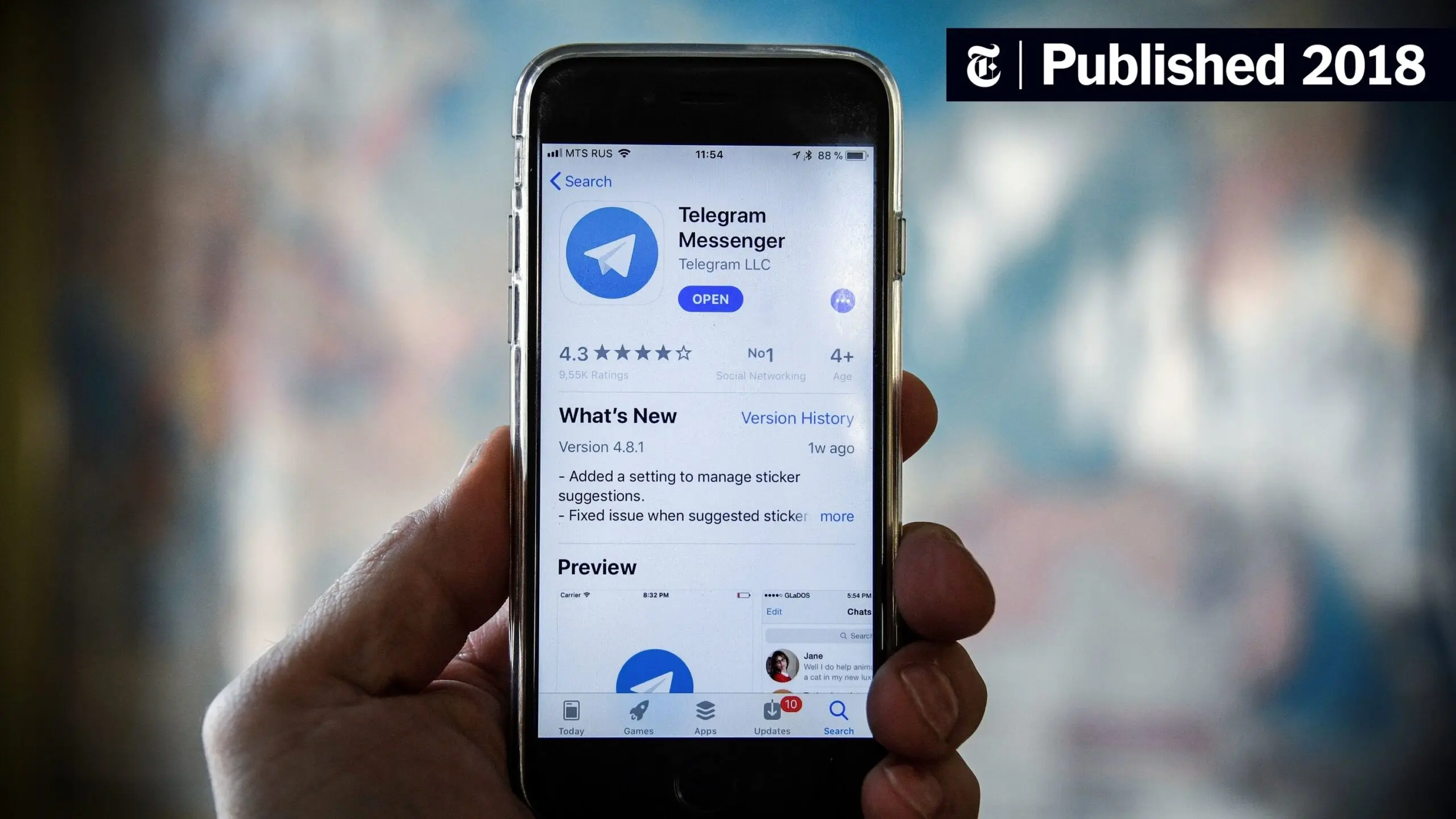
The ban on Telegram in Russia has become a contentious issue, reflecting the ongoing tensions between government control and citizen communication rights. As one of the country’s most popular messaging apps, Telegram offers a platform for millions to exchange information, making its status vital for both personal and political discourse.
Background of the Ban
The controversy surrounding the Telegram app began in 2017 when the Federal Security Service (FSB) demanded access to encrypted messages. Telegram’s founder, Pavel Durov, refused to comply, leading the Russian government to temporarily block the service. However, users found ways to bypass restrictions, leading to a complex game of cat and mouse. As of late 2023, the Russian authorities are intensifying their efforts to curb the app’s use in an attempt to suppress dissent and control information flow.
Current Events and Developments
As tensions rise, the Russian government has implemented further restrictions on Telegram amid a backdrop of anti-government protests and increasing awareness of state censorship. According to reports, a new set of regulations is being proposed that would not only enforce stricter controls on the app but also impose heavier fines on those who disseminate prohibited information.
Experts have noted that the ban is occurring in conjunction with a broader crackdown on digital communication tools. Platforms like Twitter, Facebook, and Instagram have also faced censorship, and many in the tech community are concerned about the implications for free speech. In response, users are exploring alternative communication methods, including encrypted platforms that remain unblocked.
Impact on Communication and Society
The impact of the Telegram ban extends far beyond simple messaging. For many Russians, Telegram serves as a vital news source and a platform for activism. With traditional media largely state-controlled, Telegram has filled the gap, offering a voice to opposition figures and independent journalists. The increased restrictions are seen as attempts to silence dissent and limit access to uncensored information.
Conclusion
The future of Telegram in Russia remains uncertain, as ongoing government efforts to control the narrative intensify. This situation highlights significant challenges concerning digital rights in an age where information is power. As Telegram fights to maintain its accessibility, the resilience of its user base will play a pivotal role in determining the app’s future viability. The global community watches closely, as the outcome could set a precedent for how other authoritarian regimes approach digital communication.
