Introduction
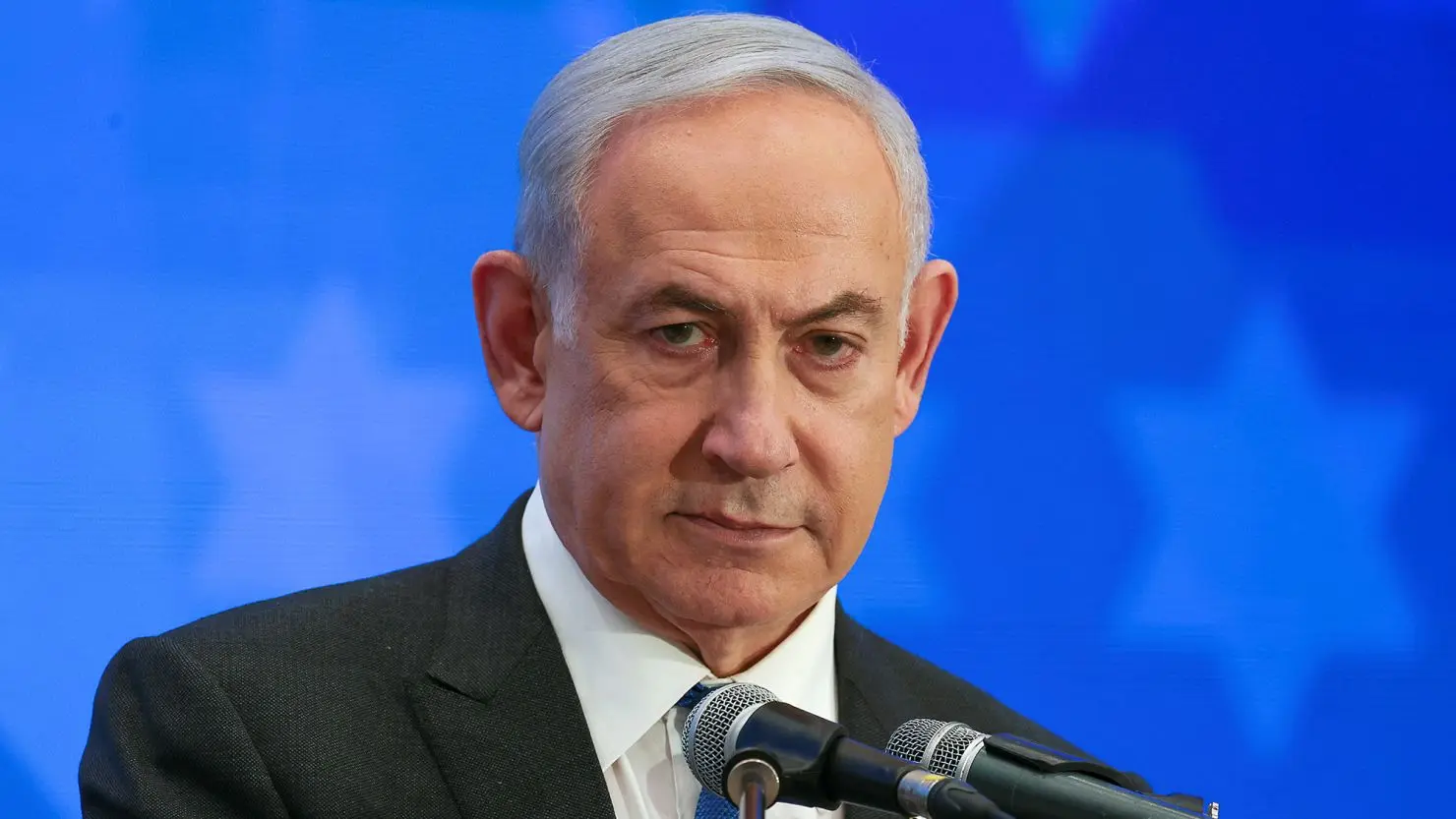
Benjamin Netanyahu, Israel’s longest-serving Prime Minister, has once again taken centre stage in global politics amidst ongoing controversies and challenges. His recent policies and political manoeuvrings have significant implications not just for Israel, but for the entire Middle East. As the country approaches sensitive elections and faces geopolitical upheavals, understanding Netanyahu’s influence is essential for grasping the future of Israeli governance.
Current Political Situation
As of October 2023, Netanyahu continues to navigate a politically charged environment, marked by debates over judicial reforms and national security concerns. Following his return to power in December 2022, he has focused on a range of controversial issues, including attempts to overhaul the judiciary, which have sparked public protests across the nation. Critics argue that these reforms threaten Israel’s democratic institutions and the rule of law.
Domestic and International Reactions
The domestic response has been mixed, with significant segments of the Israeli population taking to the streets to voice their opposition to Netanyahu’s policies. In contrast, his supporters claim that radical changes are necessary to ensure national security and assert legislative authority. Internationally, Netanyahu’s actions have elicited responses from global leaders, many of whom express concern over stability in the region, particularly in light of ongoing tensions with Palestinian authorities and Iran’s nuclear ambitions.
Future Predictions
As Israel moves closer to elections scheduled for 2024, Netanyahu’s leadership will likely be a pivotal issue. Observers are predicting that his ability to maintain coalition support will be tested, given the diverging views within his bloc on critical issues. Should protests against his government’s agenda continue to grow, it could further jeopardise his political future and reveal rising discontent among Israeli citizens.
Conclusion
Benjamin Netanyahu’s leadership remains a crucial focal point in Israeli politics. His approach to governance not only shapes Israel’s domestic policy landscape but also influences international relations in the Middle East. As events unfold, the implications of his administration will be critical for understanding the evolution of Israeli politics and the broader geopolitical climate. For residents of Israel and global observers alike, staying informed about Netanyahu’s decisions and the subsequent reactions will be essential in anticipating the country’s future trajectory.
