Introduction
The Piper Alpha disaster, which occurred on July 6, 1988, stands as one of the deadliest offshore oil disasters in history. This catastrophic event not only resulted in significant loss of life but also raised vital concerns about safety standards in the oil and gas industry. Understanding the details of this disaster is crucial for industry stakeholders and policymakers to prevent similar occurrences in the future.
The Events of Piper Alpha
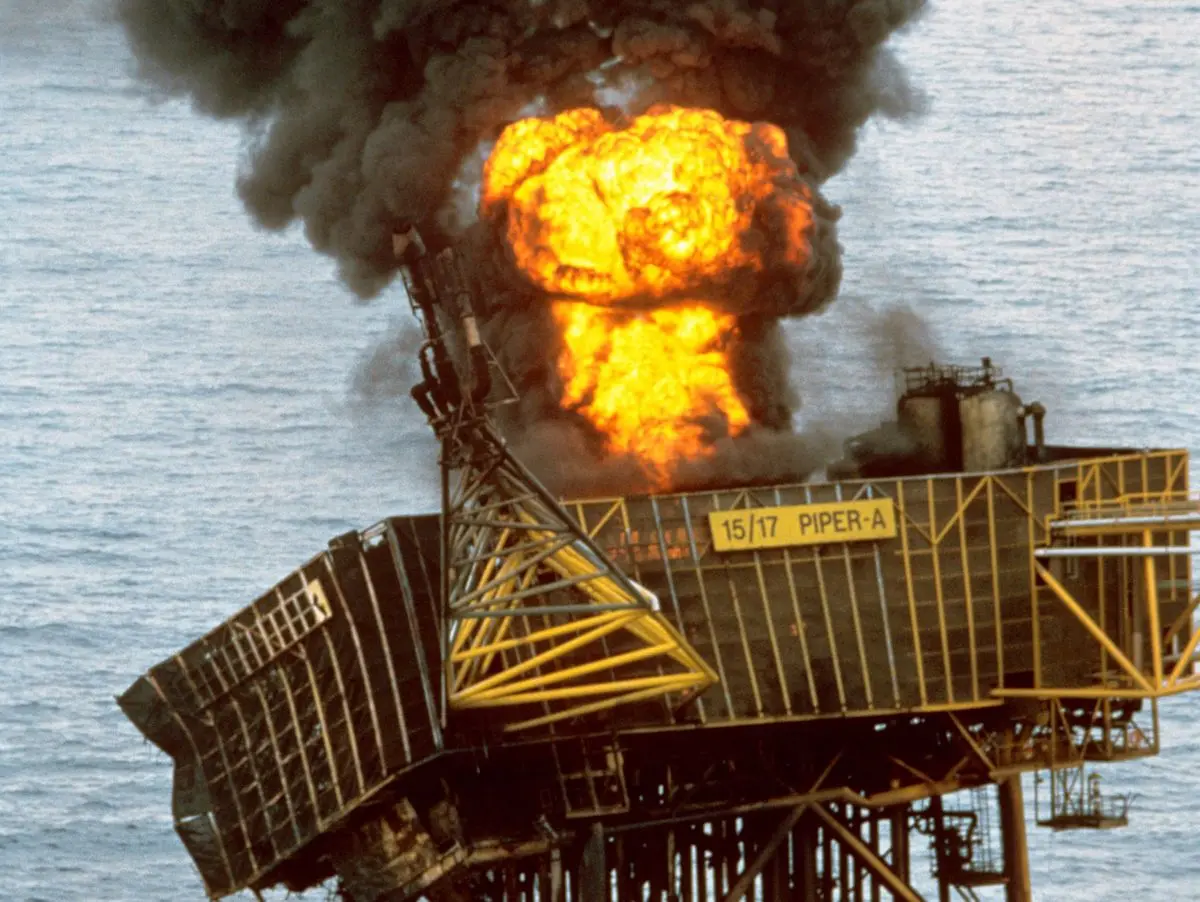
The Piper Alpha was an oil platform operating in the North Sea, approximately 120 miles northeast of Aberdeen, Scotland. On the night of the disaster, a series of operational errors were made during maintenance work. A gas leak ignited and led to a devastating explosion that rapidly destroyed the platform.
In total, 167 workers lost their lives that night due to the explosion, fire, and subsequent rescue attempts. Survivors faced harrowing conditions as the inferno spread, and rescue efforts were hindered by poor communication and a lack of emergency preparedness.
Consequences and Changes in Regulation
In the aftermath of the Piper Alpha disaster, investigations revealed systemic safety failures and flaws in emergency response protocols. The Cullen Inquiry was launched to investigate the incident, leading to widespread changes in regulations regarding offshore oil and gas operations.
The inquiry’s recommendations led to the establishment of stricter safety regulations, better emergency preparedness training, and enhanced safety management systems across the industry. Additionally, the disaster significantly influenced safety protocols in other sectors, underlining the paramount importance of risk management.
Significance for the Future
The Piper Alpha disaster remains a pivotal moment in the history of the oil and gas industry. It’s a stark reminder of the potential dangers associated with offshore drilling and the necessity for robust safety measures. Industry professionals highlight that while technology has improved since 1988, the need for constant vigilance and adherence to safety protocols cannot be underestimated.
Furthermore, the lessons learned from Piper Alpha continue to resonate globally, influencing safety regulations and practices beyond the oil sector. The legacy of Piper Alpha is not merely a history lesson but an ongoing commitment to protect workers and the environment in high-risk industries.
Conclusion
The Piper Alpha disaster was a tragic event that led to significant reflections on safety in the oil industry. As we look back on this tragedy, it serves as a crucial learning point for enhancing safety measures, ensuring that such an event never occurs again. Increased awareness and regulatory changes initiated post-disaster illustrate the industry’s commitment to change, ultimately aiming to safeguard lives and enhance operational integrity.
