Introduction
The Philippines is no stranger to seismic activity due to its location along the Pacific Ring of Fire. Recent events have highlighted the country’s vulnerability to both earthquakes and subsequent tsunami threats, making understanding these phenomena critical for disaster preparedness and response.
Recent Seismic Events
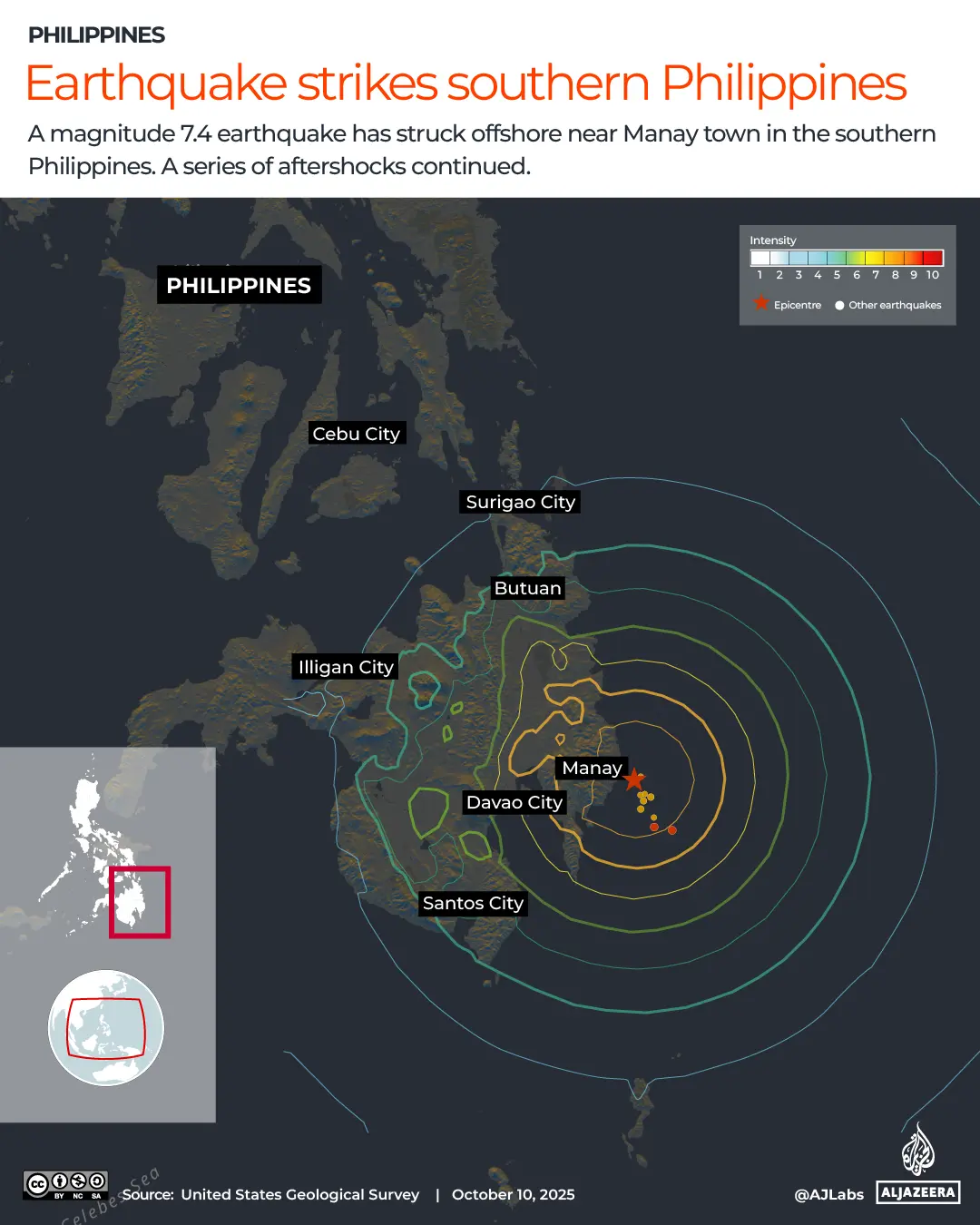
On October 15, 2023, a powerful earthquake with a magnitude of 7.1 struck off the coast of Mindanao, triggering tsunami warnings across the region. The epicentre of the quake was approximately 50 km from the southern coast, and reports indicated shallow depths, which typically result in more severe shaking. Local authorities reported immediate evacuation orders for coastal communities to mitigate any potential tsunami risk.
The Tsunami Warning System
The Philippine Institute of Volcanology and Seismology (PHIVOLCS) activated its tsunami warning system in response to the earthquake, disseminating alerts via text messages and social media. Residents of coastal areas were advised to move to higher ground until the warning was lifted. Fortunately, although significant waves were reported, the impact was less severe than initially feared.
Impact and Response
In the aftermath of the earthquake, inspections of infrastructure began, and local government units mobilised to assist affected residents. Evacuation centres offered refuge, and emergency supplies of food, water, and medical assistance were provided. Fortunately, early detection systems and community drills considerably helped minimise casualties, highlighting the importance of preparedness in disaster-prone regions.
Conclusion
The recent earthquake and tsunami warning in the Philippines serve as a stark reminder of the natural threats facing the archipelago. The quick response from local authorities and the effectiveness of the tsunami warning system played crucial roles in safeguarding lives. As climate change continues to impact weather patterns and seismic activity, it becomes increasingly vital for communities to remain vigilant and enhance their disaster preparedness initiatives. Continuous investment in early warning systems and public education will be essential to mitigate future risks, ensuring safety for residents in vulnerable areas.
