Introduction
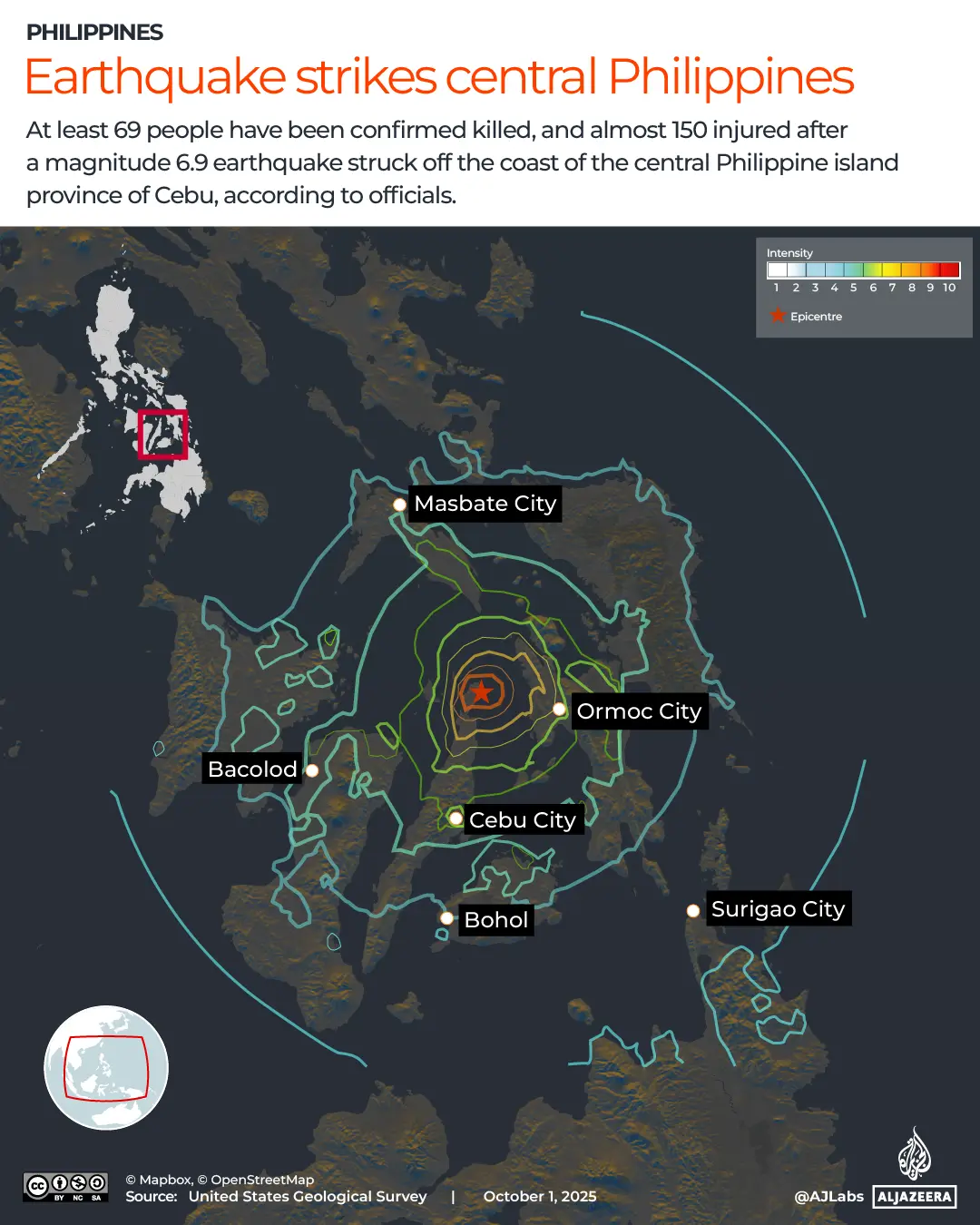
On 22 October 2023, the Philippines experienced a significant earthquake measuring 6.7 on the Richter scale, affecting several regions and raising alarms for disaster preparedness. The archipelago, located in the Pacific Ring of Fire, is no stranger to seismic activity, but today’s quake serves as a reminder of the importance of building resilience against natural disasters.
Details of the Earthquake
The earthquake struck at approximately 11:30 AM local time, with its epicentre located near the coastal town of San Fernando in La Union province. Reports indicate that the tremor was felt across Luzon, including Metro Manila, where buildings swayed and public transport was temporarily halted. Fortunately, initial reports have not indicated any large-scale casualties, but several injuries were reported, mainly due to panic during the quake.
Philippine seismologists quickly issued advisories, informing the public of aftershocks that could follow. An estimated 250 families have been evacuated from their homes in affected areas, as local authorities monitor the situation closely. Emergency services were deployed to inspect buildings for structural integrity, and relief operations are underway to aid those displaced.
Preparedness and Response
The Philippines is regularly subject to earthquakes and typhoons, prompting a national focus on disaster preparedness. Schools and communities frequently conduct drills, and government agencies have updated response strategies in light of past events. The National Disaster Risk Reduction and Management Council has urged citizens to remain vigilant and to review safety protocols, including identifying exit routes and assembling emergency kits.
Residents are advised to stay informed through official announcements and social media updates from local disaster management agencies. As the country braces for potential aftershocks, community solidarity and resilience are vital in dealing with any ensuing challenges.
Conclusion
While today’s earthquake has caused momentary fear, the importance of preparedness and rapid response cannot be overstated. The Philippine government continues to upgrade infrastructure and emergency plans following past experiences with natural disasters. As communities come together to support one another during this time, it serves as a reminder for all to take disaster preparedness seriously and to cultivate a culture of safety and resilience. As experts predict that aftershocks may occur, remaining alert and prepared is crucial for minimising risks in the days to come.
