Introduction
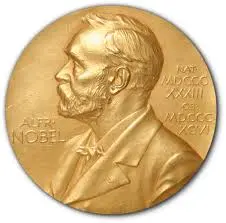
The Nobel Peace Prize remains one of the most prestigious awards globally, honouring individuals and organisations that have significantly contributed to peace and reconciliation. Established by the will of Alfred Nobel, the founder of the Nobel Prizes, in 1901, this award recognises the efforts in resolving conflicts, promoting diplomacy, and fostering humanitarian aid, making it a crucial topic in an ever-changing geopolitical landscape.
Recent Events and Recipients
In 2023, the Nobel Peace Prize was awarded to Iranian human rights activist Narges Mohammadi, who has tirelessly advocated for women’s rights and freedom of expression amidst political oppression in Iran. This decision underscores the ongoing struggles faced by individuals in authoritarian regimes and highlights the importance of collective action against injustice.
The Nobel Committee cited Mohammadi’s unwavering dedication to fighting against the discriminatory laws and policies that stifle women’s freedoms in Iran, particularly her efforts to combat the oppression evidenced by protests and movements against the government. Her work has not only inspired many Iranians but also attracted global attention towards the need for democratic reforms in the region.
The Significance of the Nobel Peace Prize
The Nobel Peace Prize serves as more than a mere accolade; it positions the recipients on a global stage, amplifying their cause and garnering international support. The recognition of individuals like Mohammadi brings critical issues to the forefront, prompting discussions and actions towards addressing abuses and promoting peace.
Past laureates have included influential figures such as Malala Yousafzai and Martin Luther King Jr., whose legacies continue to inspire new generations. The impact of the Nobel Peace Prize extends beyond individual honour; it encourages a cycle of activism and advocacy that resonates across borders and cultures.
Conclusion
As the world grapples with mounting conflicts and social injustices, the Nobel Peace Prize remains a beacon of hope. It highlights the importance of individual efforts in promoting peace and justice in a complex world. Looking forward, the ongoing relevance of this award lies in its ability to inspire future leaders and activists, reminding us that the pursuit of peace is a shared responsibility. The Nobel Peace Prize will continue to shine a light on those who stand for what is right, urging us all to engage in the fight for a better future.
