Introduction
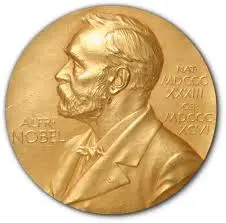
The Nobel Peace Prize is regarded as one of the most prestigious accolades in the world, highlighting individuals and organisations that contribute significantly to peace initiatives. As we look ahead to the 2025 Nobel Peace Prize, the anticipation has already begun, with various figures championing causes ranging from climate change to human rights expected to be in the spotlight. Understanding the likely candidates can shed light on the pressing global issues today.
Potential Candidates for 2025
One prominent figure considered a strong candidate is Greta Thunberg, renowned for her activism on climate change. Her efforts in mobilising the youth movement and pushing for actionable policies to combat climate change have garnered global attention. Thunberg’s fight aligns well with the increasing recognition of environmental issues’ impacts on peace and stability.
Another significant contender could be Malala Yousafzai, the youngest recipient of the Nobel Peace Prize to date. Her ongoing dedication to education, particularly for girls in conflict zones, continues to inspire millions. Given the current global focus on educational equity and women’s rights, her candidacy would echo the urgent need to address educational disparities exacerbated by conflicts.
Additionally, there is growing speculation surrounding organisations such as the World Health Organisation (WHO), especially in light of its pivotal role during the COVID-19 pandemic. The WHO’s global health initiatives not only tackle immediate health crises but also promote long-term peace by addressing health inequalities that can lead to conflict.
Recent Trends in Nobel Peace Prize Awards
The Nobel Committee has shown a pattern of awarding individuals and organisations whose work correlates with contemporary global challenges. The recent recognition of figures like Abiy Ahmed and the World Food Programme indicates a shift towards acknowledging efforts that directly impact global stability. As we approach 2025, it is likely that nominees will reflect current humanitarian crises, climate action, and the ongoing struggles for social justice.
Conclusion
As the 2025 Nobel Peace Prize draws nearer, the list of possible candidates presents a microcosm of today’s most pressing issues. With figures like Thunberg and Yousafzai advocating for change at a grassroots level, and global entities like the WHO addressing systemic challenges, the upcoming award holds significant implications. Not only does it reveal who is currently making a difference, but it also sets a precedent for future movements in peace activism. Observers and stakeholders eagerly await the nominations, expecting them to highlight the intersection of peace and contemporary global challenges.
