Introduction
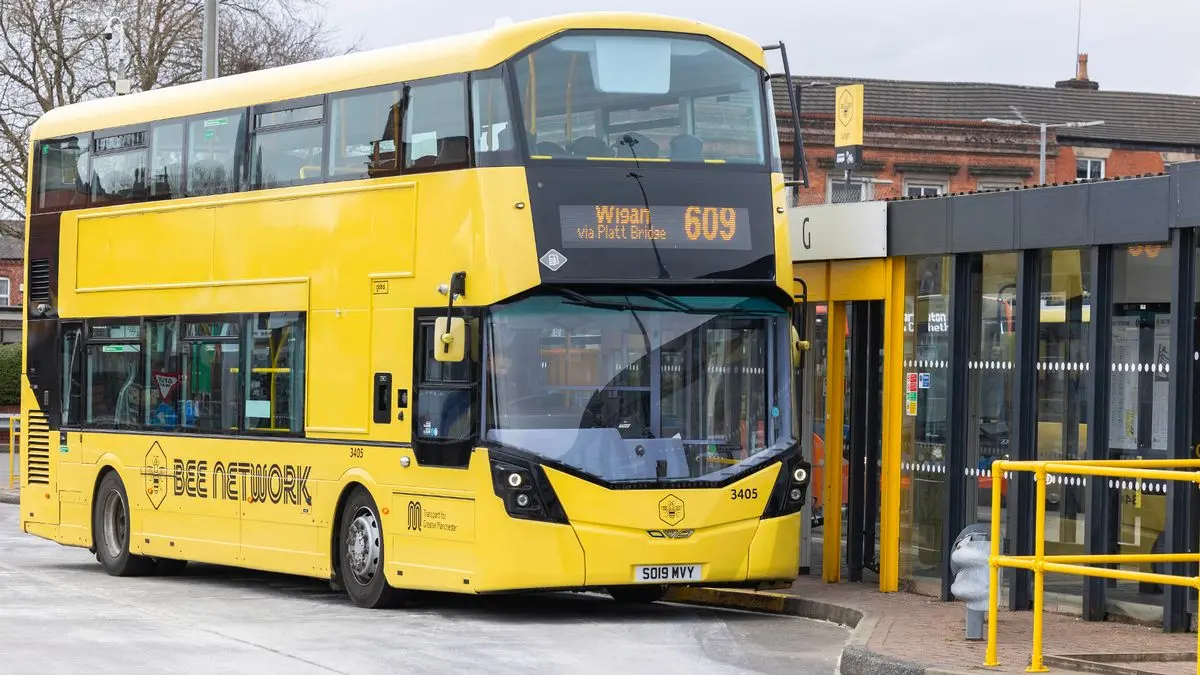
The bus strike in Manchester has become a significant issue affecting thousands of commuters in the city. As local transport remains vital for daily travel, the ongoing disruptions highlight the challenges faced by transport workers demanding fair wages and working conditions. With public transport services being a key component of Manchester’s infrastructure, the repercussions of the strike extend beyond inconvenience for passengers, affecting local businesses and the economy.
Details of the Strike
The Manchester bus strike, which began on 1st November 2023, is being led by workers from the Go North West company. The strike is a response to ongoing disputes over salary increases amid rising living costs. According to the trade union Unite, the drivers are seeking a wage that reflects their contributions and combats the increasing cost of living in Greater Manchester. It has been reported that drivers currently earn less than their counterparts in other regions.
Commuters have faced significant challenges during the strike, with reduced bus services leading to overcrowding on alternative modes of transport and long wait times for those reliant on buses for their daily travel. The strike has drawn attention from local officials and the general public, sparking conversations about workers’ rights and the importance of fair compensation.
Response from Authorities
In response to the ongoing strike, local government officials have expressed concern about the disruption to public transport services. The Mayor of Greater Manchester, Andy Burnham, has been in discussions with both the union and Go North West in an attempt to broker a resolution. He emphasised the need for a fair compromise while urging drivers and the company to return to the negotiating table.
Efforts have been made to provide alternative transport solutions during the strike, with additional support for buses in unaffected areas and enhanced services for other public transport methods. Nevertheless, the strike continues to impact many peoples’ daily lives, prompting discussions about the importance of public transport accessibility and worker’s rights.
Conclusion
The bus strike in Manchester serves as a critical reminder of the ongoing struggles for fair wages in essential sectors. As the incident unfolds, the long-term implications of such industrial action could reshape discussions around public transport funding and workers’ rights in the coming years. Commuters and local residents remain hopeful for a swift resolution that satisfies both the workers’ demands and the need for reliable public transport services. As alternatives become increasingly vital, the significance of ensuring fair compensation for transport workers is more critical than ever.
